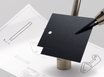
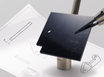
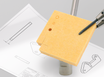
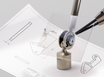
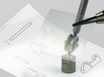
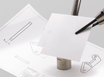
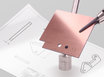
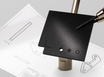
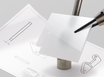
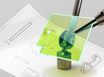
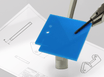
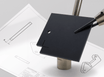
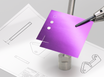
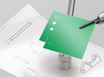
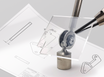
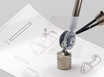
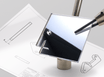
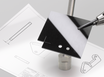
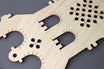
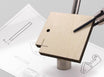
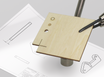
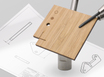
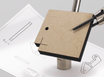
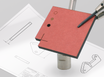
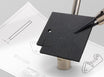
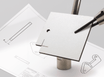
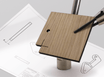
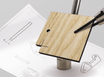
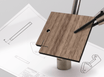
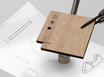
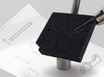
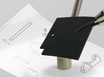
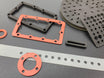
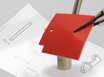
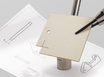
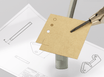
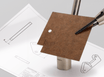
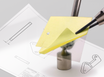
Thin webs: from 1 mm, in any thickness
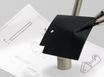
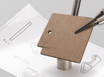
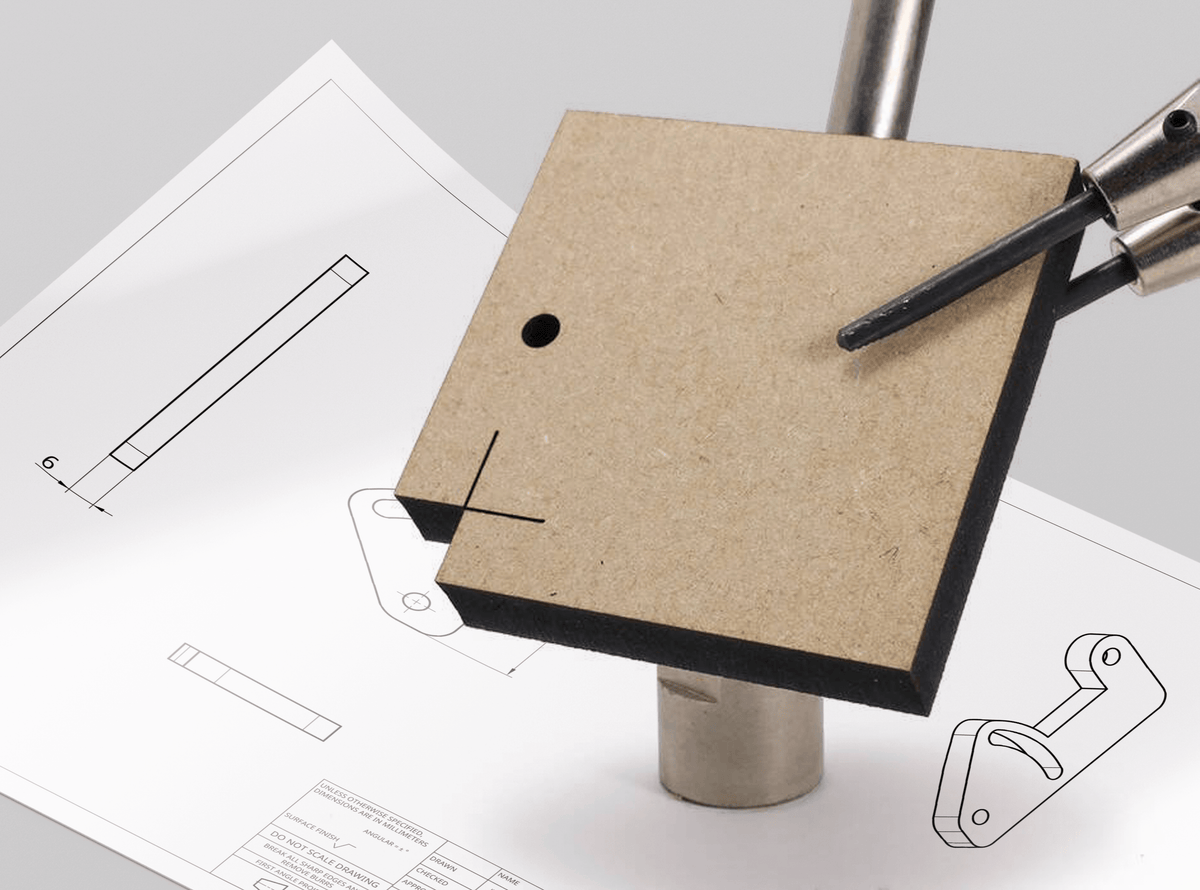
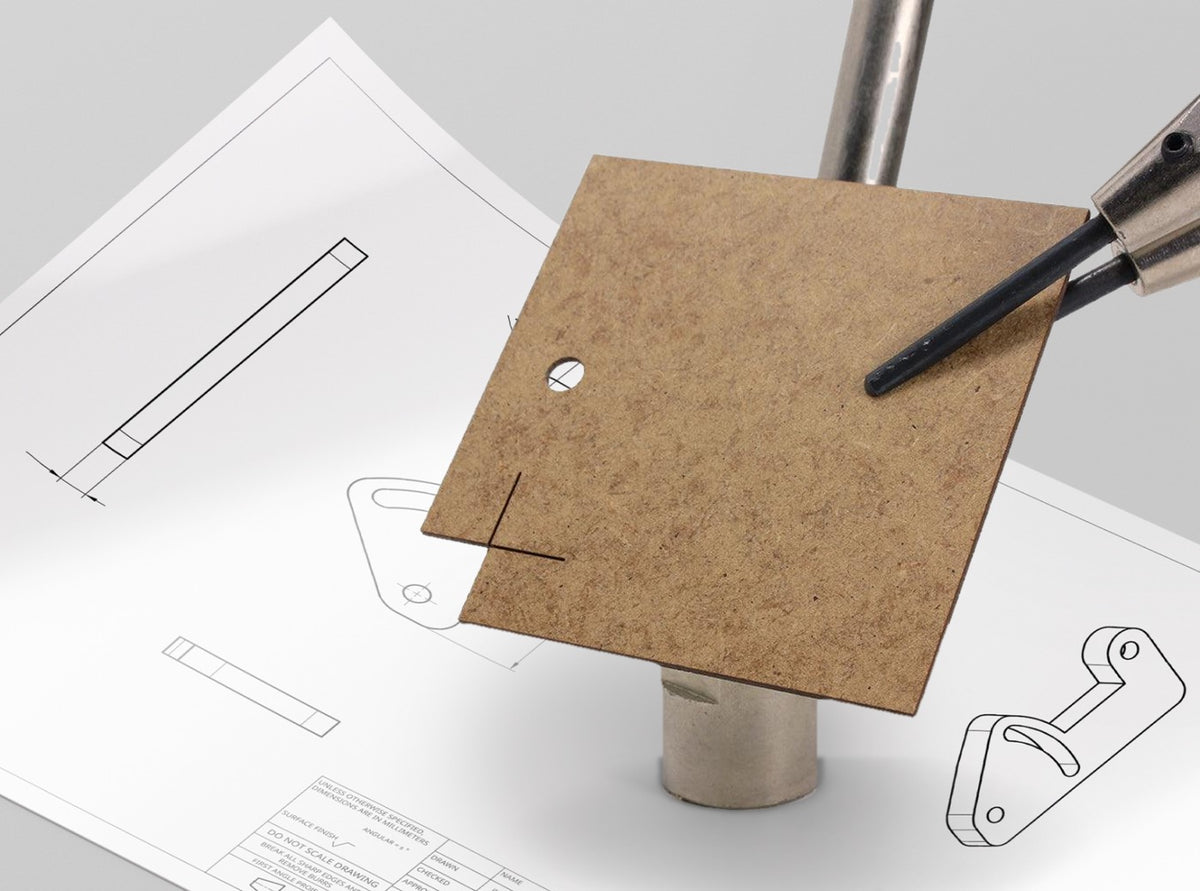
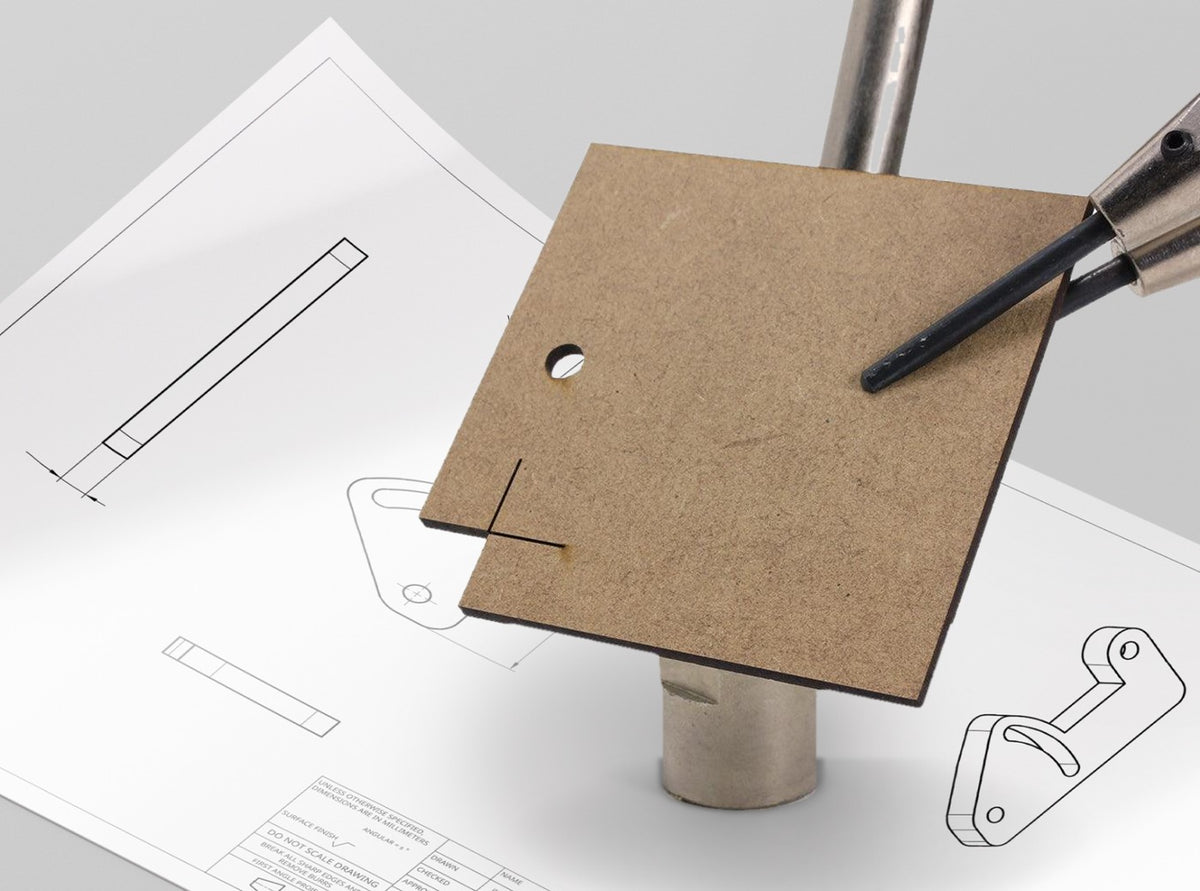
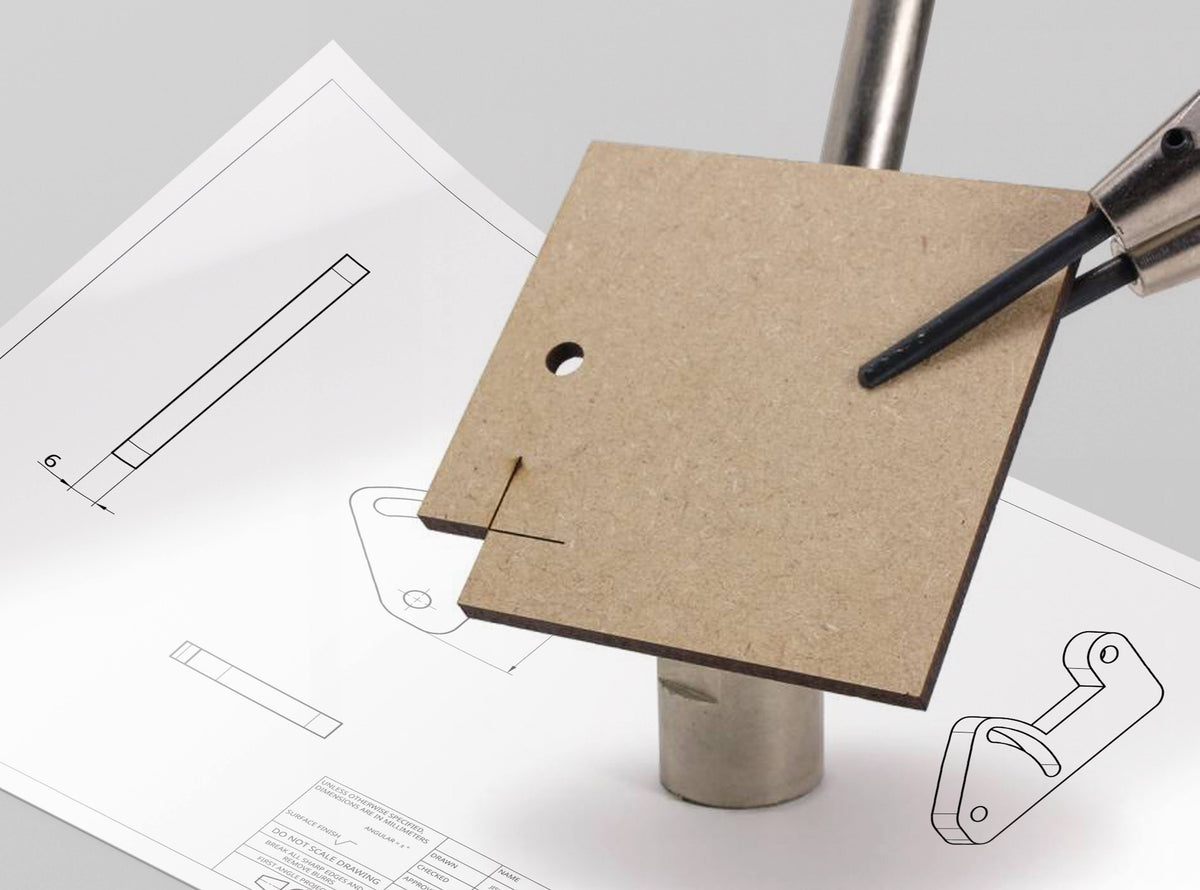
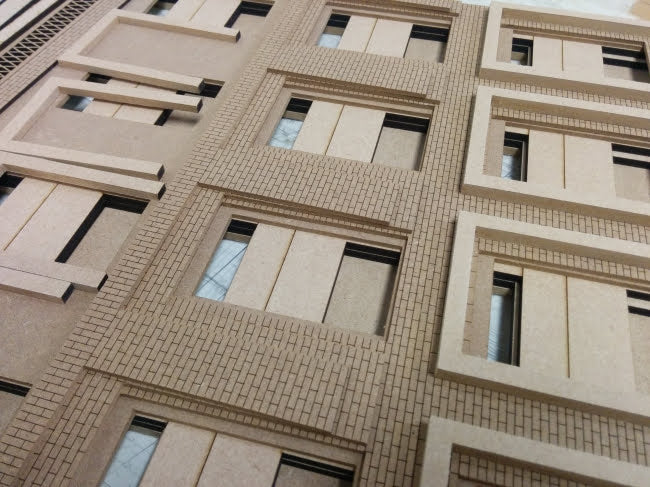
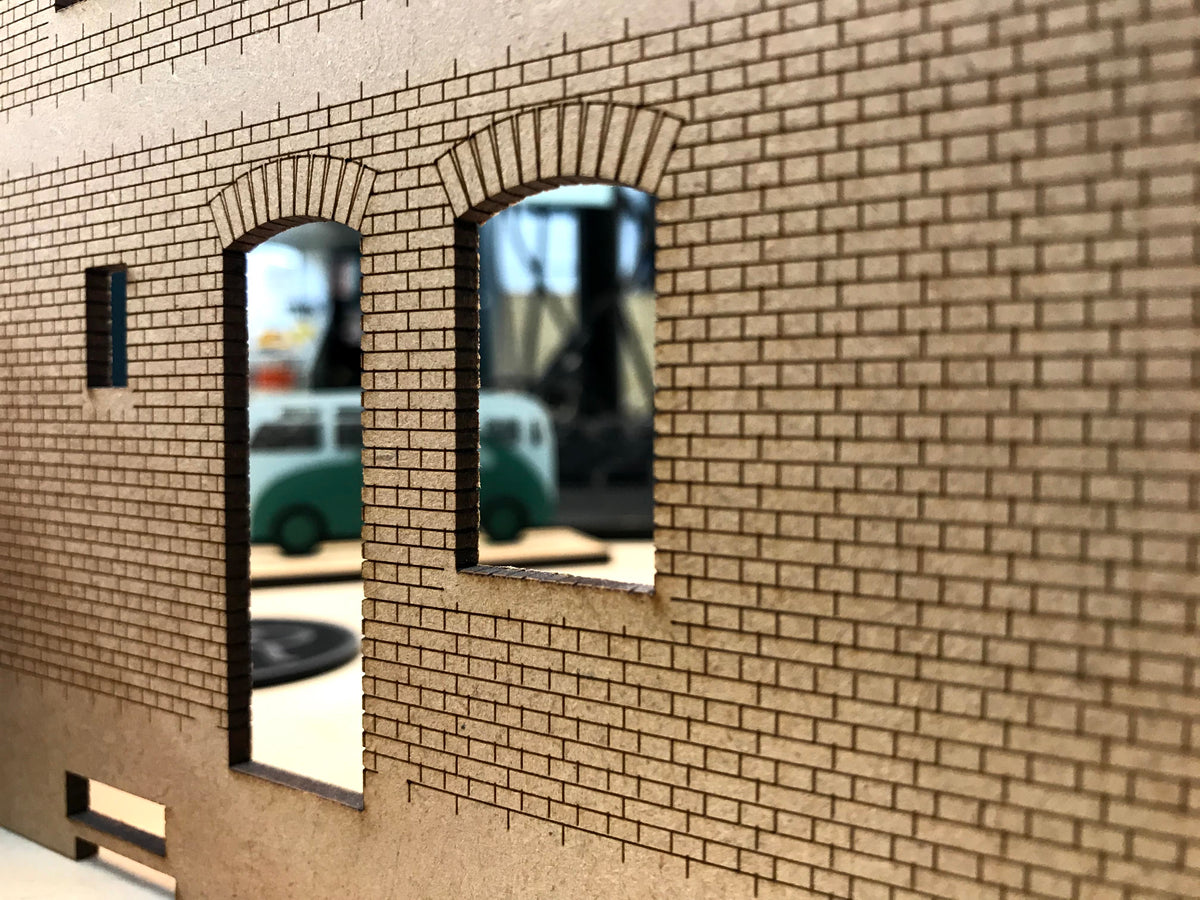
1 mm wide webs and separations remain intact, even in the thickest sheets. This allows you to cut intricate grids, window divisions for models, and closely spaced cut-outs.

Products lasered from this material receive FSC® certified.
This means that this material comes from sustainably managed forests. By choosing FSC® certified wood, we ensure that people, animals and nature are better protected and the climate is less burdened.
Snijlab is FSC® certified (C117418).
Only products marked as such are FSC certified.
Rigid, flat wood fibreboard for prototypes, moulds, and models. Dark brown cut edge, easy to paint.
Exacte prijs zie je direct na upload.
In print runs as low as €0.05 per part!
| Structure | Pressed wood fibreboard, homogeneous |
|---|---|
| Max. dimensions | 1200 × 600 mm |
| Density | 880 kg/m³ |
| E-modulus | 2700 N/mm² |
| Transparency | Opaque |
| Gluing | Yes, with wood glue |
| Painting | Yes, after primer |
| Kerf | 0.15 mm |
|---|---|
| Thickness tolerance | ± 0.1 mm |
| Min. width | 1.0 mm |
| Cut edge | Dark brown, not charred; light smoke residue on the underside |
| Protective film | Optional |
| Adhesive film underside | Optional |
| UV | Poor |
|---|---|
| Moisture absorption | High (24-hr thickness swelling: max. 30–35 %) |
| Waterproof | No |
| Outdoor use | Not suitable |
MDF is a pressed wood fibreboard: homogeneous, flat and rigid. Engineers and designers use laser cutting from MDF for prototypes, moulds, jigs, enclosures and models, where dimensional stability is more important than aesthetics.
Choose MDF if you need a flat, predictable board that you can glue, sand or paint after cutting. The board has no grain and no layers, is equally strong in all directions and does not warp. If you're looking for a lighter board with a wood look or more strength per gram, check out birch plywood. For visible applications without finishing, black MDF is an option. MDF absorbs a lot of moisture and is not suitable for outdoor use or damp environments.
The cut edge turns dark brown, but does not char or leave residue. The top surface remains clean; on the underside, light smoke residue appears along the cut. You can prevent this by selecting protective film when ordering, or you can remove it by sanding. Engravings become dark and sharp, so MDF is also suitable for inscriptions and textured model surfaces. The design tips specify the limits for bridges, fits, and engravings.
The 3 to 9 mm boards are MEDITE PREMIER MDF with FSC-mix 70% and comply with the E1 standard for formaldehyde. The 1 and 2 mm thicknesses are not FSC-certified.
1 mm wide webs and separations remain intact, even in the thickest sheets. This allows you to cut intricate grids, window divisions for models, and closely spaced cut-outs.
The laser removes a narrow strip of material. For tab-and-slot joints, box joints, and model parts that require a precise fit, compensate for this kerf in your design. The value for each thickness is listed in the specifications.
Use line engravings to add texture to surfaces: brickwork, herringbone, tiling. Detail facades and paving without extra parts.
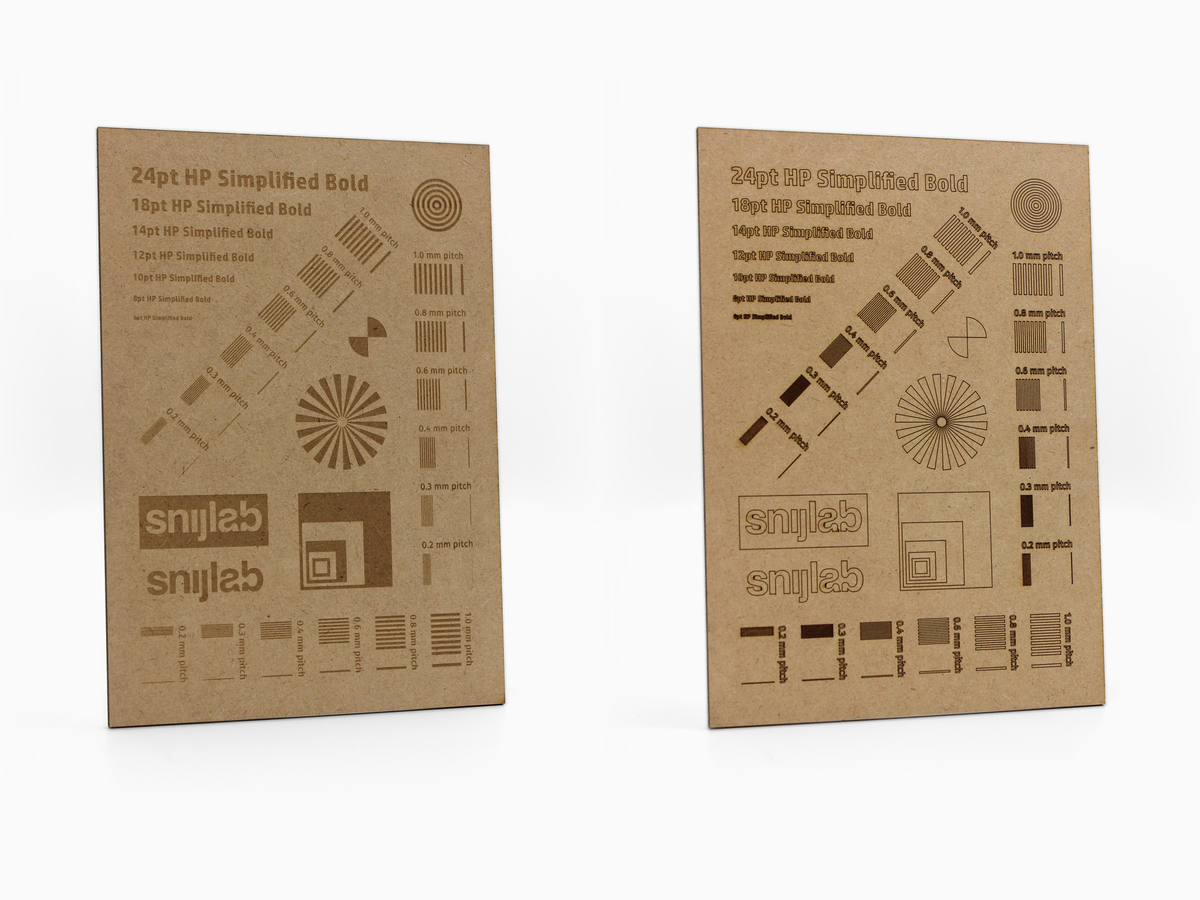
Combine cutting, area engraving and line engraving in one design to show elevation changes and zones in floor plans and site models. In 1 and 3 mm MDF, engravings appear extra dark, enhancing the contrast.
Text and flat engravings are sharp and smooth in MDF. For the crispest result, use 1 mm MDF, ideal for inscriptions and legends in models.
| Property |  MDF |
 Black MDF |
 Coated MDF |
 Birch plywood |
|---|---|---|---|---|
| Stiffness (E-modulus) | 2700 MPa | |||
| Density | 880 kg/m³ | 1060 kg/m³ | 860 kg/m³ | 850 kg/m³ |
| Transparency | Opaque | Opaque | Opaque | Opaque |
| Starting price | €14,57 | €14,96 | €14,93 | €15,00 |
DXF, STEP, SVG, DWG, AI, PDF · 1:1 in mm
blue = cutting · red = line engraving · magenta = area engraving
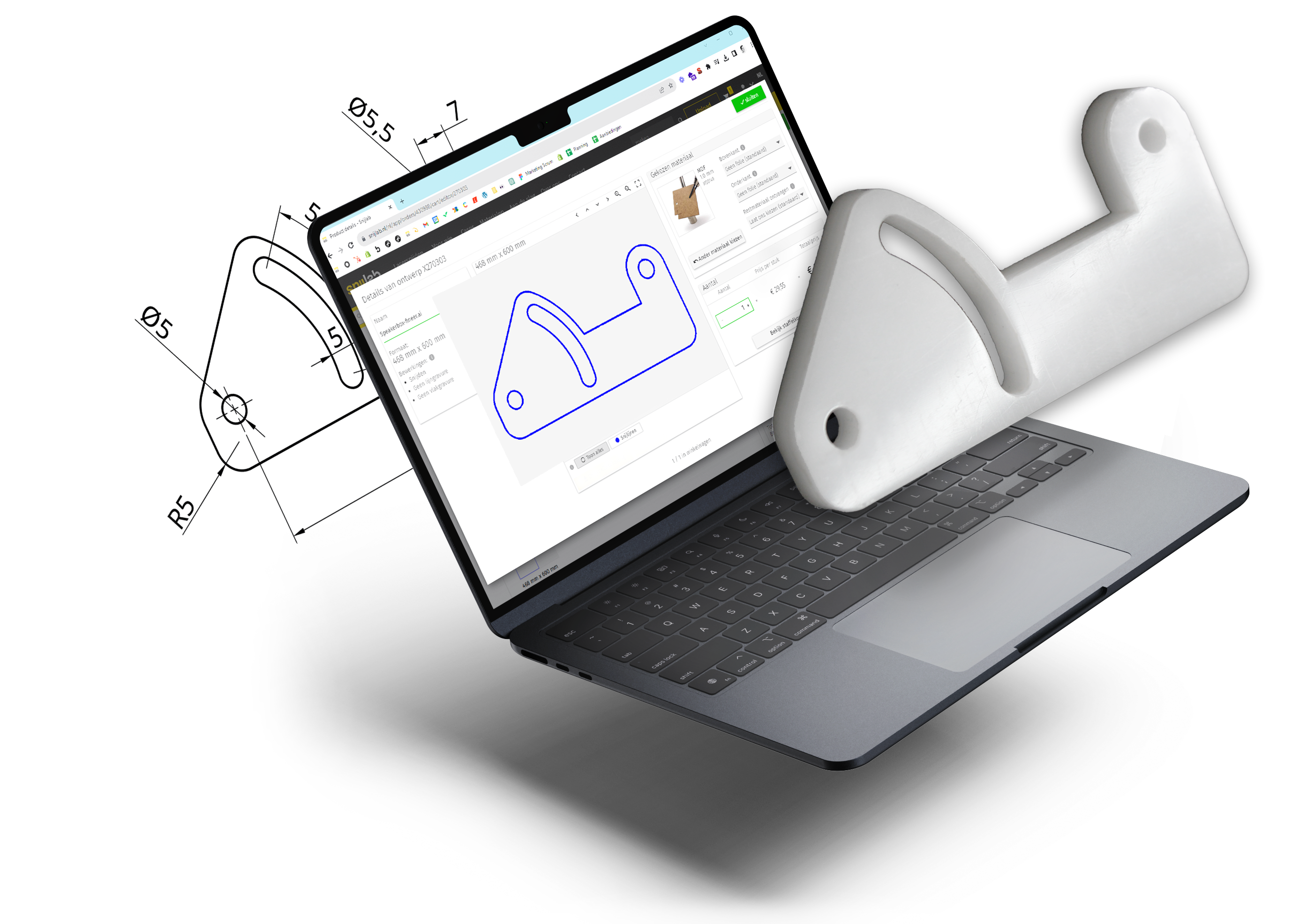
See the price instantly per material and delivery time. No quote needed.
Express (tomorrow) · 2 working days · 4 working days · 13 working days
Price adjusts.
Mail, courier or pick up in Rotterdam.
Business invoicing available.
On the underside, yes: small marks along the cut edge, up to approx. 1 cm from it. The top surface generally remains clean. You'll only see a small round mark at start points, and around engravings, you might find a thin edge of residue. To prevent this, select protective film when ordering.
Sand it; polishing won't help. Place sandpaper over a block of wood or use a sanding block, and sand the surface evenly.
Dark brown. The edge is not charred and does not rub off.
Yes. Wood glue works excellently. For paint, always prime MDF first. The material is highly absorbent, even on the laser-cut edge, so you'll often need more than one coat. Oil also gives a beautiful finish.
No. MDF is very flat and stays that way even with changing temperature and humidity, unlike solid wood and plywood.
Yes, for 3 to 9 mm. These thicknesses are MEDITE PREMIER MDF, which complies with the European E1 standard (maximum 8 mg formaldehyde per 100 grams) and the stricter American CARB II requirements. For 1 and 2 mm, we do not have this data.
No. MDF absorbs a lot of moisture and is not suitable for outdoor or damp environments unless properly coated. For outdoor applications, acrylic is a better choice.
MDF is cost-effective, has a hard surface and a tight thickness tolerance. It is ideal for form studies, technical mock-ups, moulds, jigs, and enclosures. Plywood is lighter and stronger for its weight, with a wood look. Cardboard is even more cost-effective for models, but not strong. For visible parts, choose black MDF or acrylic.
24/7 Instant quotes for laser cutting
Start your project today
Learn how it works. Want to talk it over first? Our support team is ready to help!
Create a free account