
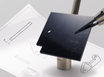
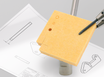



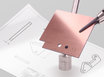
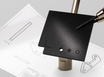



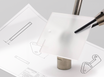



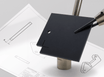





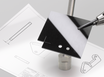





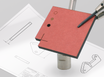
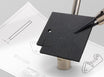





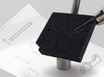
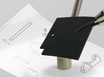








Seals and walls: minimum 4 mm wide
Keep walls of inlays and edges of gaskets and seals at least 4 mm wide. Anything narrower will deform the foam and prevent the edge from holding its shape.
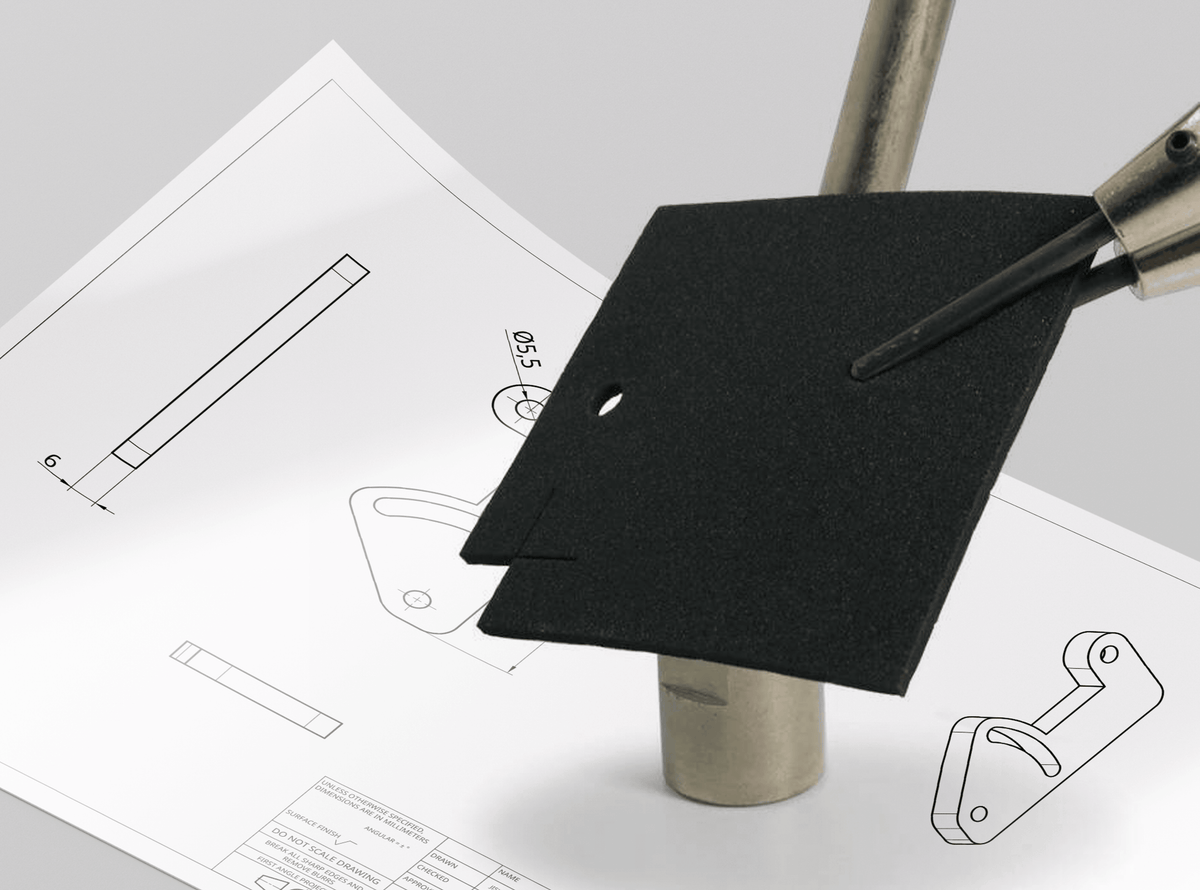
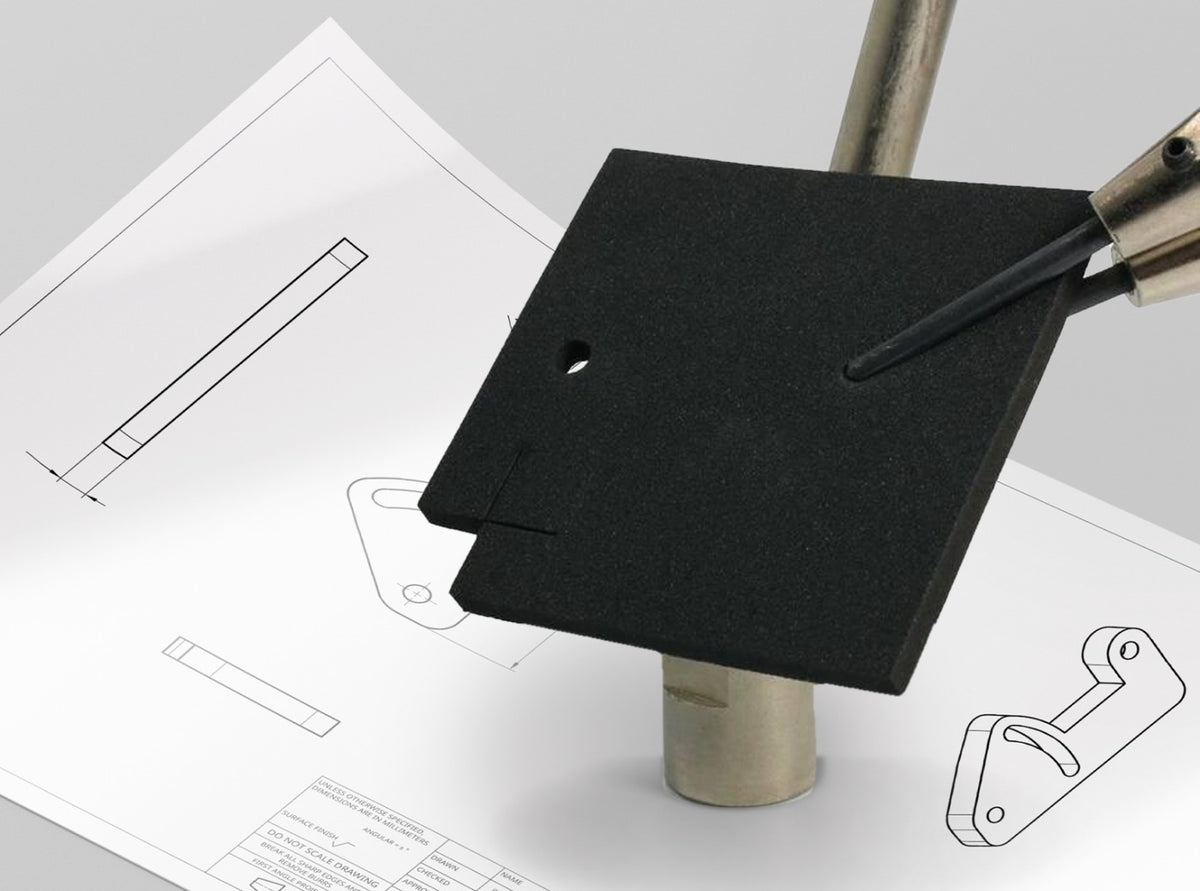


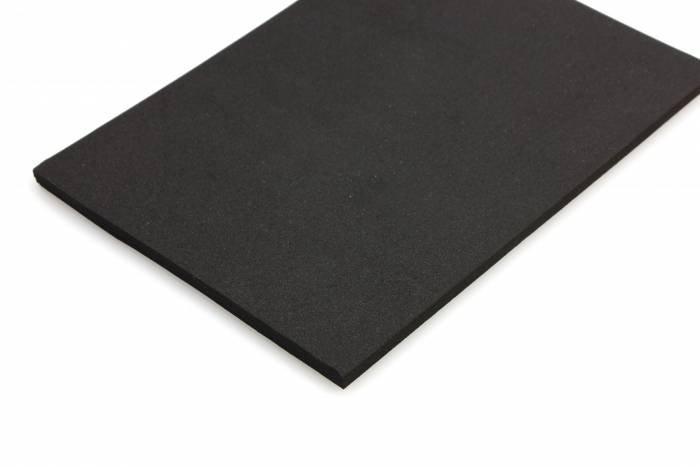
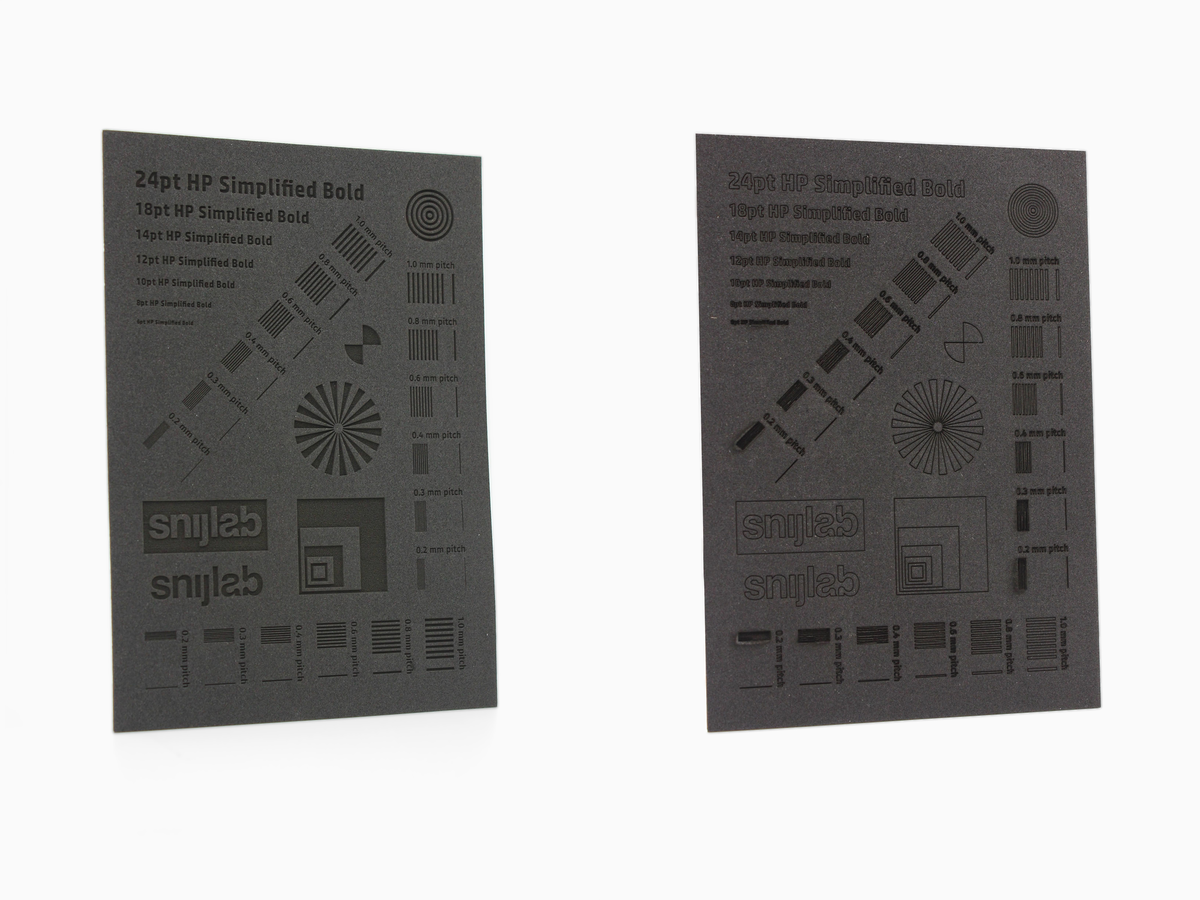
Soft closed-cell foam rubber for seals, gaskets, and damping. Oil and weather resistant.
Exacte prijs zie je direct na upload.
In print runs as low as €0.05 per part!
| Abbreviation | CR |
|---|---|
| Structure | Closed cells |
| Max. dimensions | 1000 × 500 mm |
| Density | 140 kg/m³ |
| Hardness | Shore A 15 |
| Transparency | Opaque |
| Gluing | Yes, with contact adhesive |
| Painting | Yes |
| Kerf | 0.4 mm |
|---|---|
| Thickness tolerance | ± 0.4 mm |
| Min. width | 4.0 mm |
| Cut edge | Slightly darker, leaves a slight black residue |
| Protective film | Not possible |
| Adhesive film underside | Optional |
| Temperature | -40 … 120 °C |
|---|---|
| Chemical | Good resistance to oil and fuel, limited resistance to alcohol |
| UV | Good |
| Moisture absorption | 2 % (after 3 min) |
| Waterproof | Yes |
| Outdoor use | Suitable |
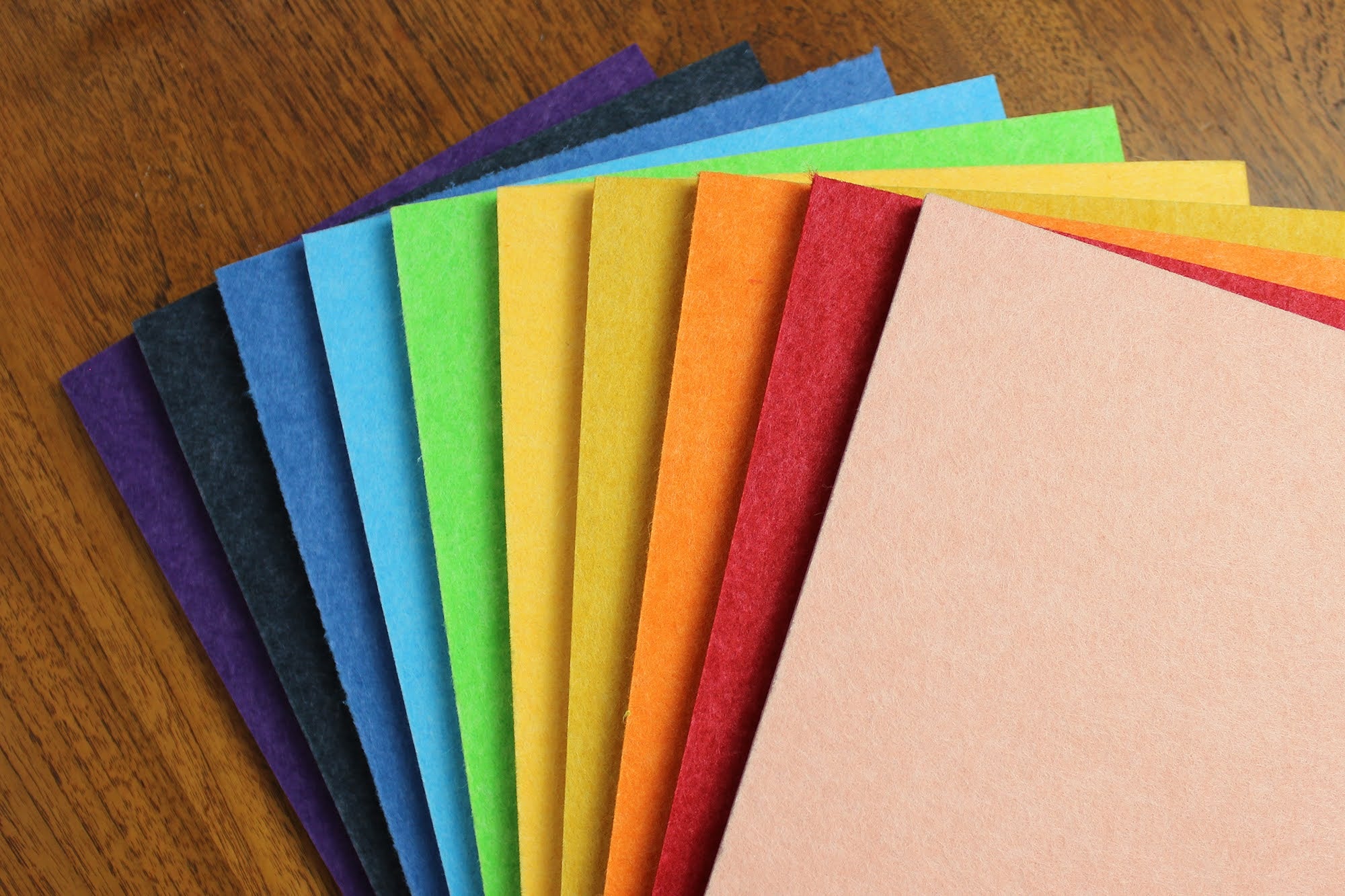
Neoprene closed-cell rubber is a soft foam rubber (CR) with closed cells. Have it custom laser cut for seals, gaskets, vibration dampers, and insulation in enclosures and machinery.
Choose closed-cell rubber if a seal needs to close with low compression force, for example, between a lid and a thin-walled enclosure. The closed cells block water and dust. The material resists oil, fuel, ozone, and UV light, so you can also use it outdoors and in machinery. If the gasket needs to withstand higher pressure or wear, solid CR rubber is the better choice. For firmer inlays, look at PE hard foam.
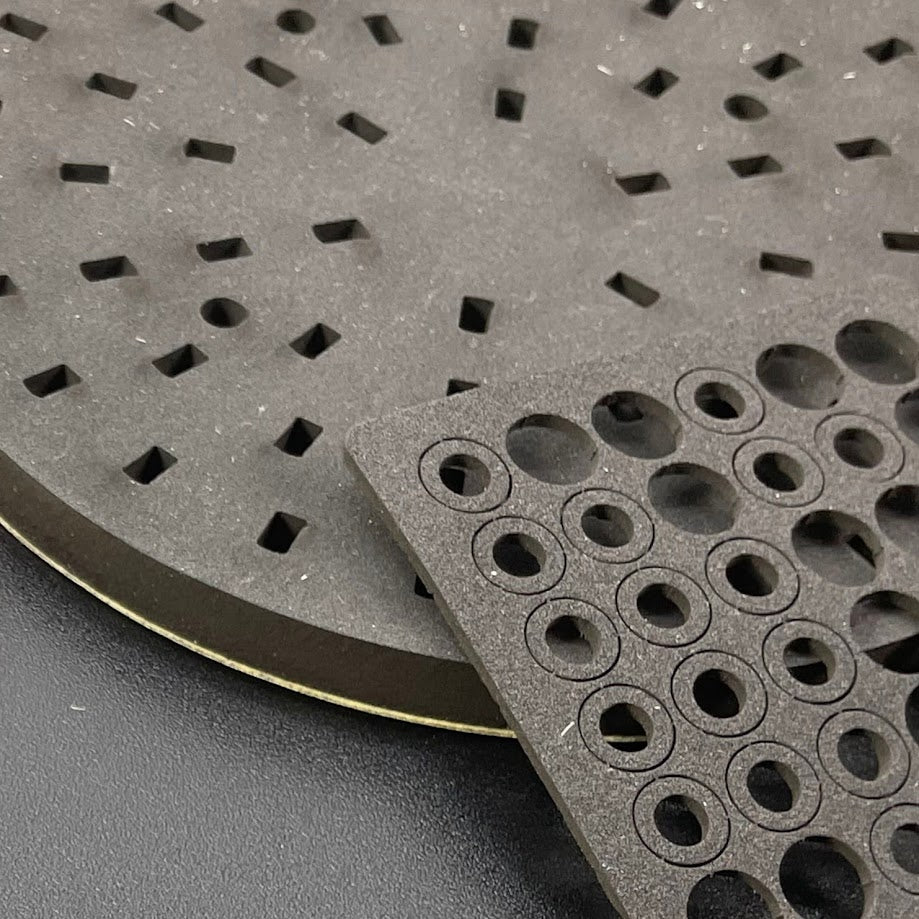
The laser cuts every contour, including bolt holes and locating pins, without a die-cutter. The cut edge will be slightly darker and may show light black residue. If you want to mount the gasket directly, choose the adhesive layer on the underside: the liner is cut along with it. Because the foam is soft, minimum wall widths apply. You'll find these in the design tips.
Keep walls of inlays and edges of gaskets and seals at least 4 mm wide. Anything narrower will deform the foam and prevent the edge from holding its shape.
To keep dowel pins in place, ensure an attachment of at least 4 mm wide to the component. Use cut holes to precisely align multiple layers.
The laser vaporises a narrow strip of material. For small details and precise cut-outs, compensate for the kerf width in your design. The value per thickness is listed under the specifications.
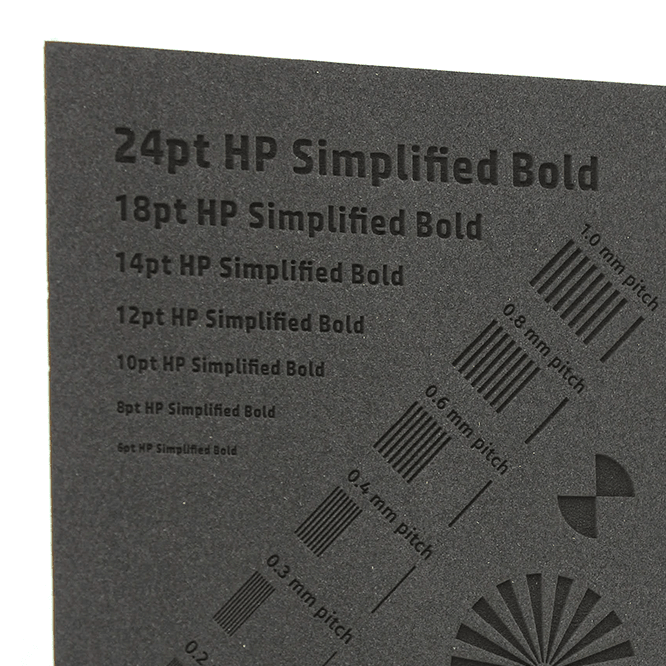
Engrave part numbers, labels, or logos directly into the neoprene. Keep text at minimum 14 pt to ensure readability within the foam's cell structure.
| Property |  Cellular rubber neoprene |
 CR rubber |
 PE rigid foam |
|---|---|---|---|
| Density | 140 kg/m³ | 1450 kg/m³ | 28 kg/m³ |
| Transparency | Opaque | Opaque | Opaque |
| Starting price | €14,67 | €14,91 | €14,59 |
DXF, STEP, SVG, DWG, AI, PDF · 1:1 in mm
blue = cutting · red = line engraving · magenta = area engraving
See the price instantly per material and delivery time. No quote needed.
Express (tomorrow) · 2 working days · 4 working days · 13 working days
Price adjusts.
Mail, courier or pick up in Rotterdam.
Business invoicing available.
Yes. Neoprene foam has closed cells and absorbs very little water (2% after 3 minutes), so it seals against water, dust, and draughts. For an effective seal, compress it by approximately 25–40%. If the seal needs to withstand high pressure, choose CR sheet rubber, silicone, or gasket paper.
Neoprene foam is highly resistant to mineral and synthetic oil, grease, brake fluid, ozone, hot and cold water, and UV light. It has limited resistance to petrol, alcohol, and turpentine.
Yes, for all thicknesses, you can choose an adhesive film on the underside. The laser also cuts the liner, so your parts are ready to stick immediately. The cut edge remains clean, without adhesive residue, and even fine details remain sharp.
Slightly darker in colour, sharply defined, and it leaves hardly any residue. Cut loss is greater in foam than in hard materials, so parts will be slightly smaller than designed. Account for this when designing mating parts.
Slightly: cellular rubber has a rubbery smell, which is barely intensified by laser cutting. Solid CR sheet rubber smells significantly stronger.
No, we only cut 2D in a single thickness. You create a difference in thickness by stacking layers, for example with an adhesive layer.
Neoprene foam rubber is ideal for seals and for inlays of small, thin parts. For larger inlays and case interiors, PE hard foam or soft foam is better. If a seal needs to withstand high pressure, choose CR sheet rubber, silicone, or gasket cardboard.
Yes, with the Foam, Rubber & Seals sample chain: 6×6 cm laser-cut samples where you can see the cut edge and the kerf.
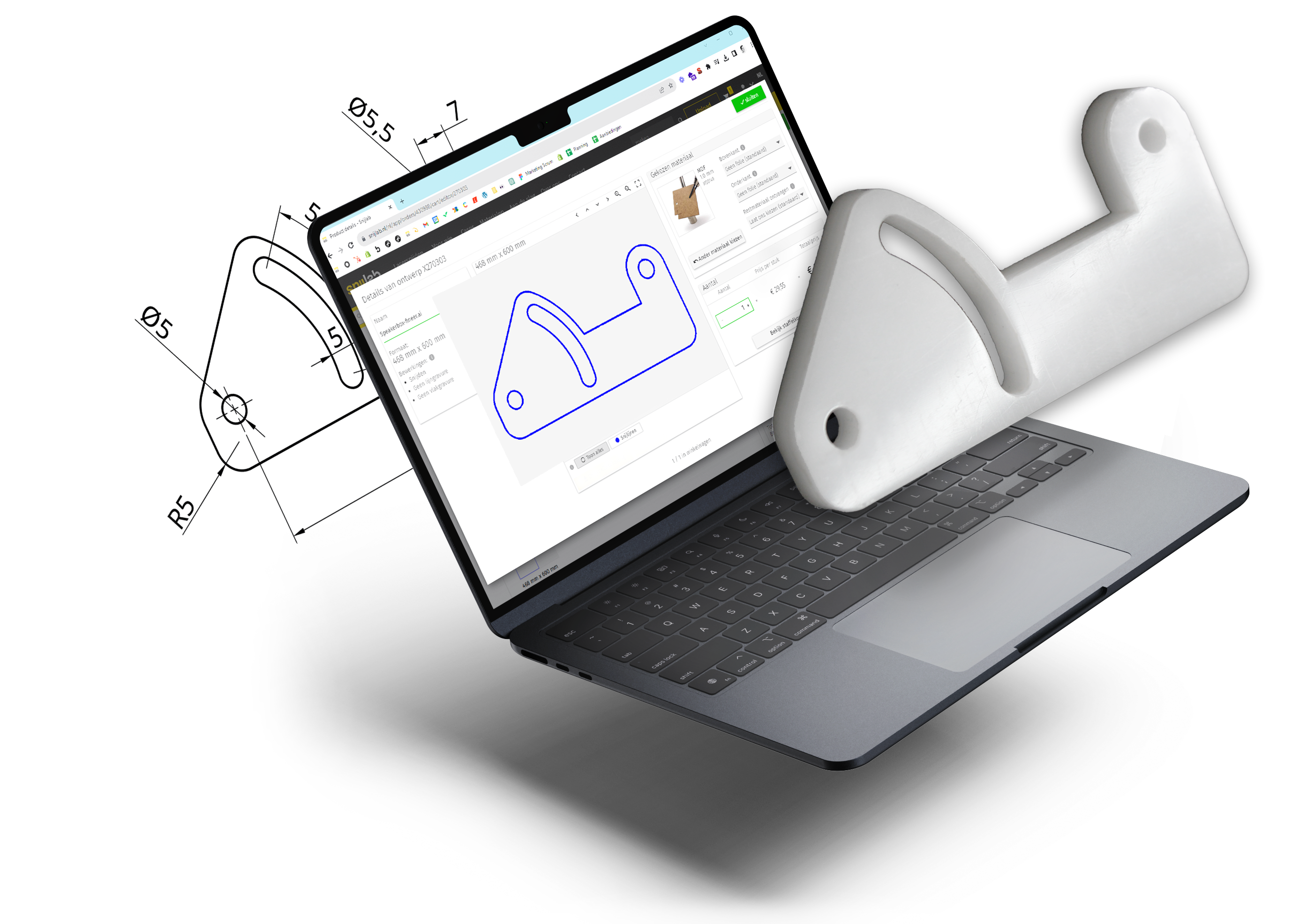
24/7 Instant quotes for laser cutting
Start your project today
Learn how it works. Want to talk it over first? Our support team is ready to help!
Create a free account