


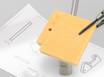



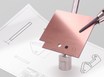
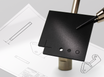



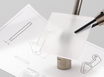



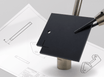





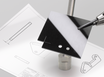

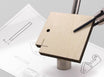



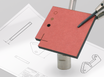
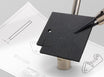





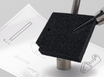
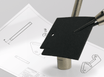
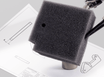
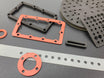

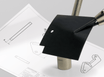



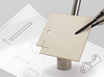



Cut-out 1–2 mm smaller than the object
Draw the cut-out 1 to 2 mm smaller than the object; the foam expands and grips it securely. Use 1 mm as standard, and 2 mm for large or organic shapes.
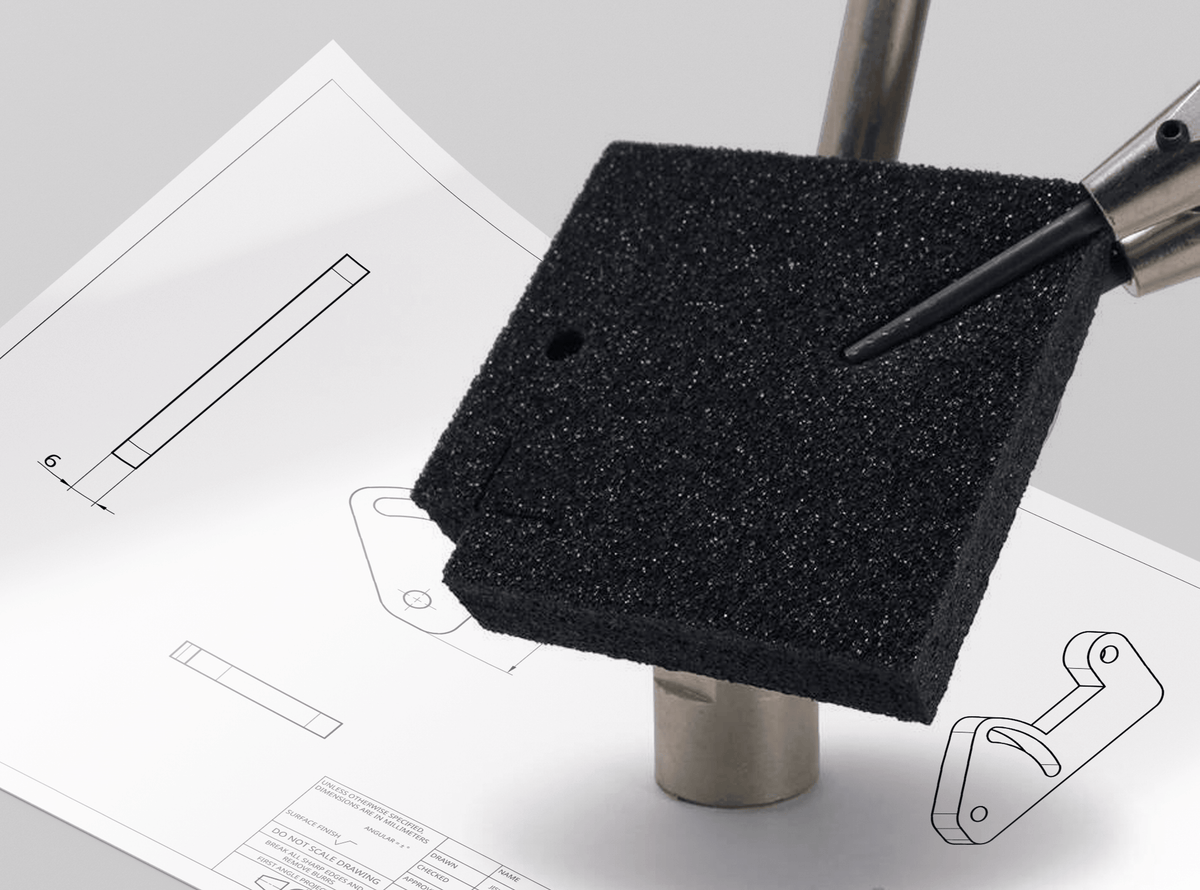
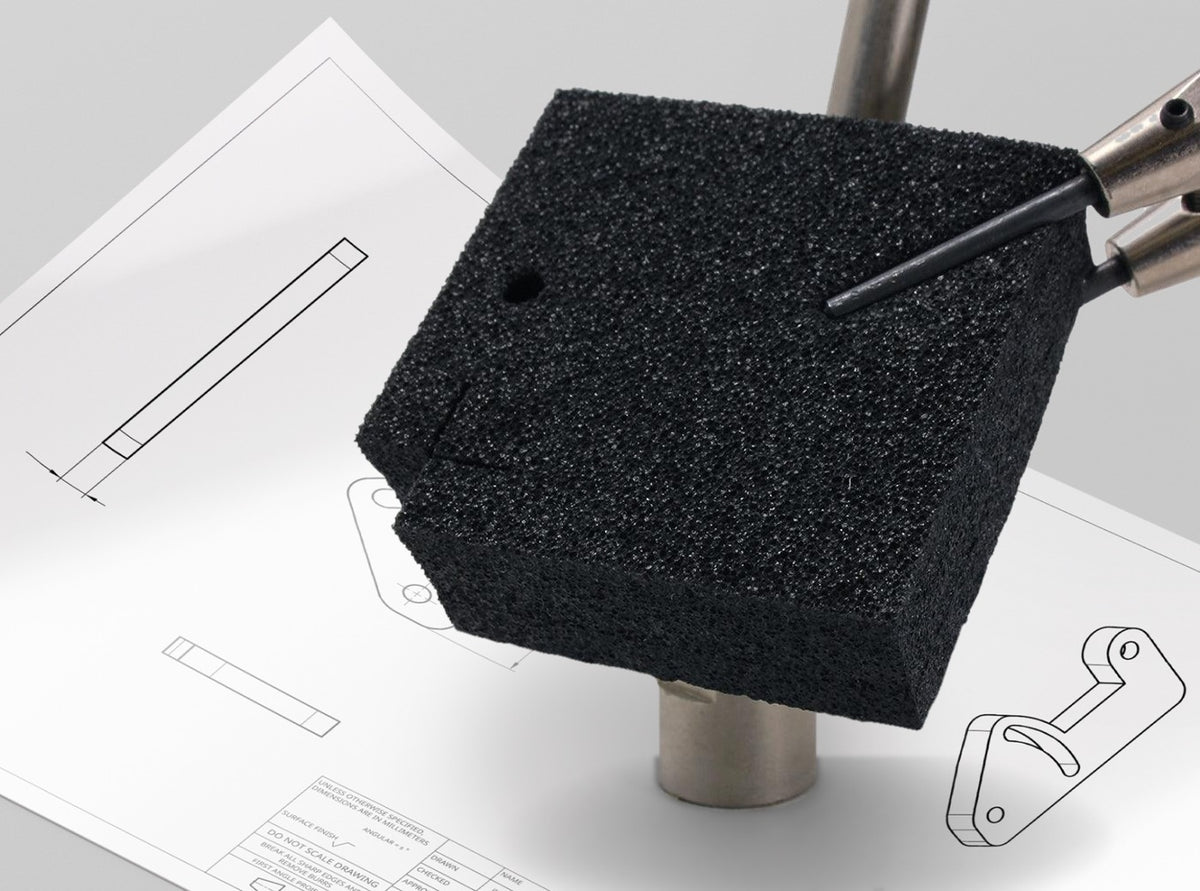
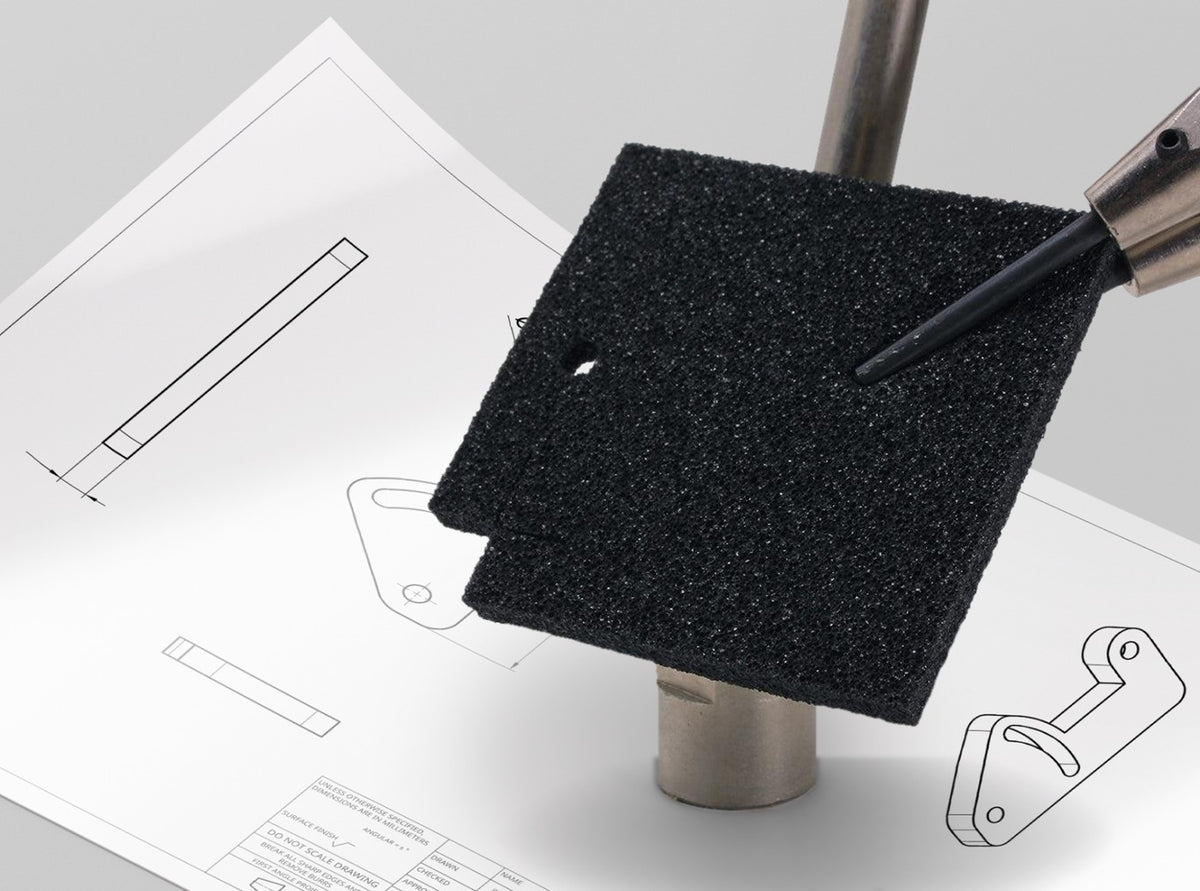
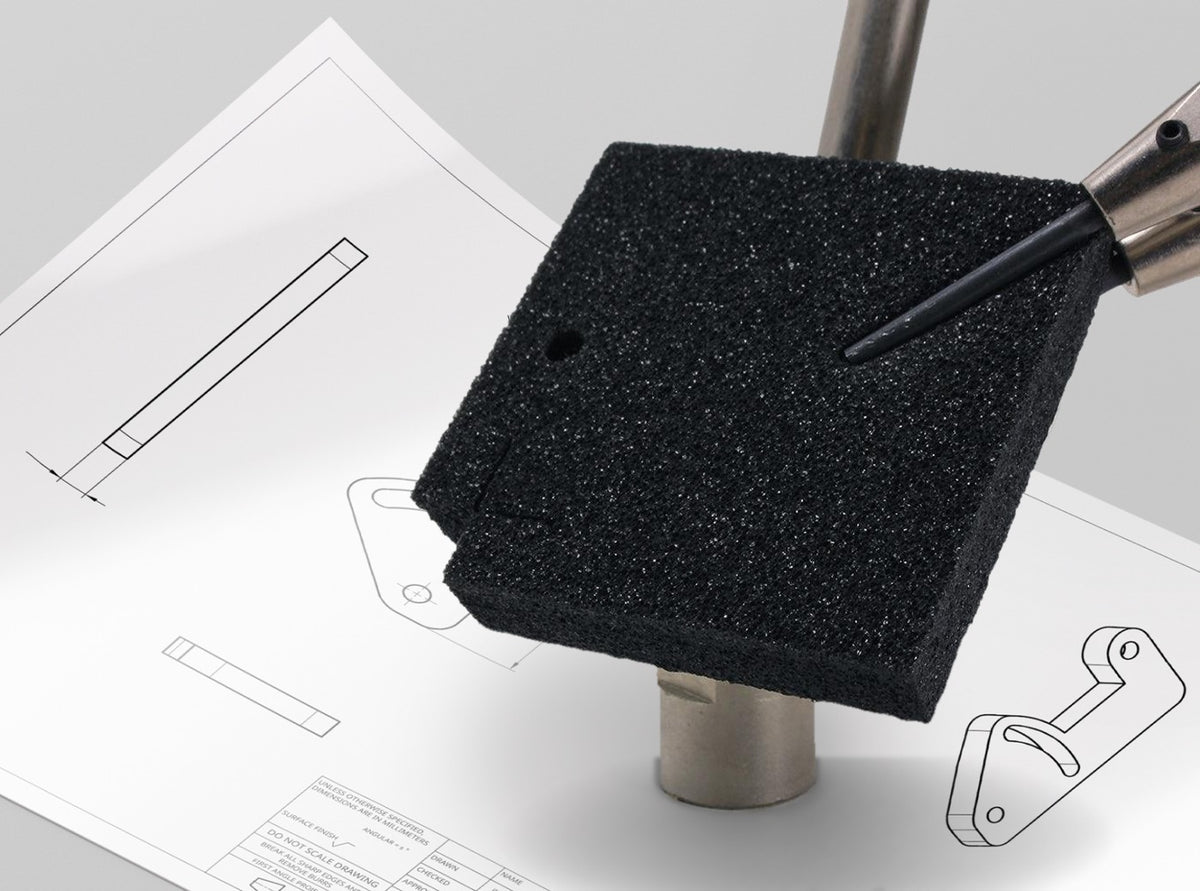
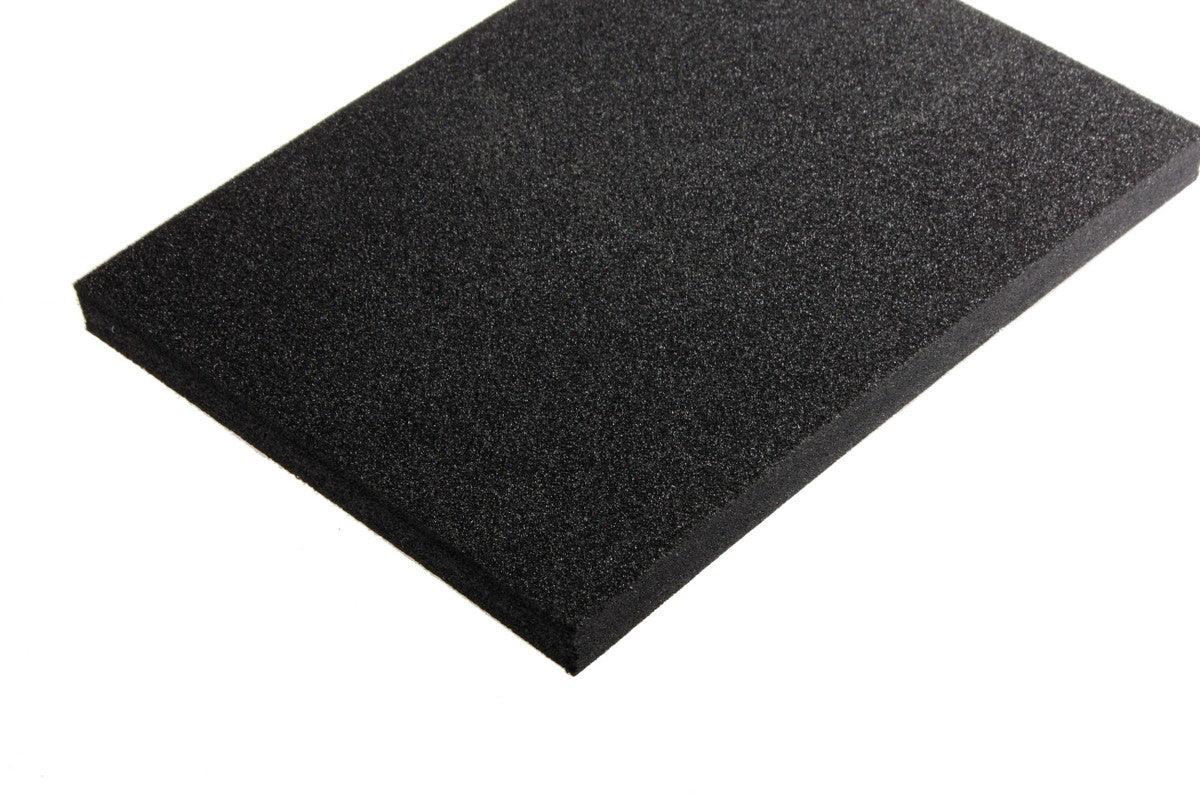
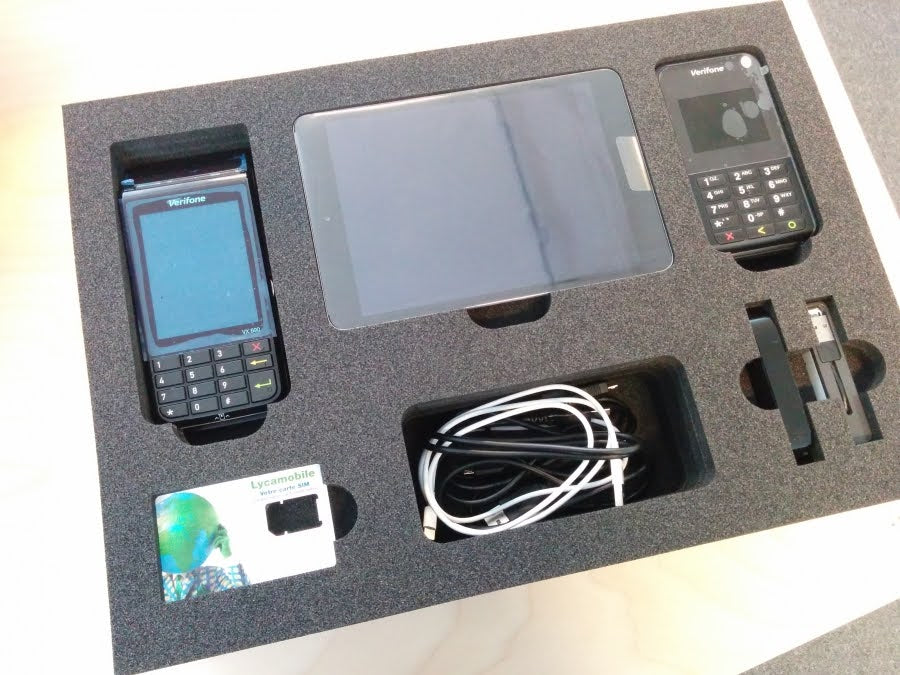
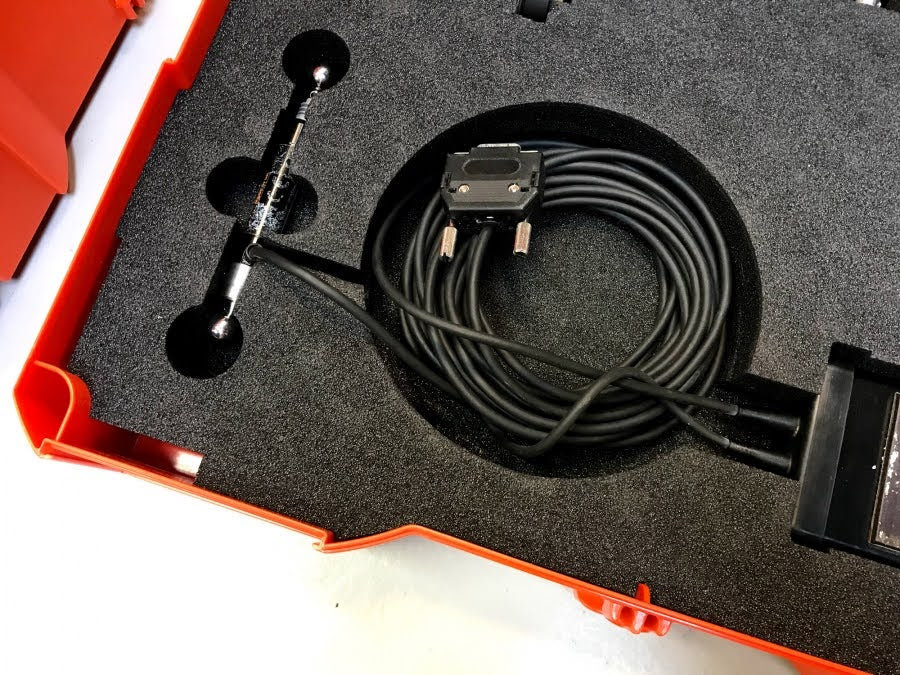
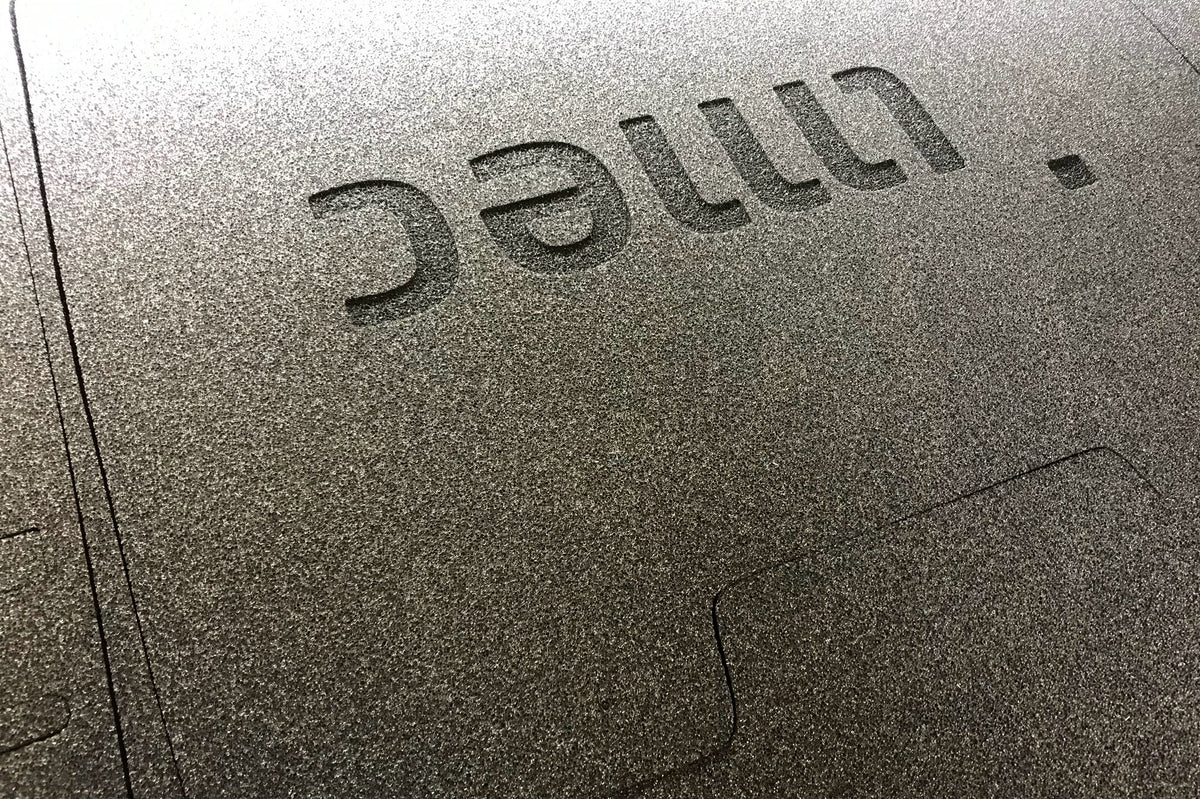
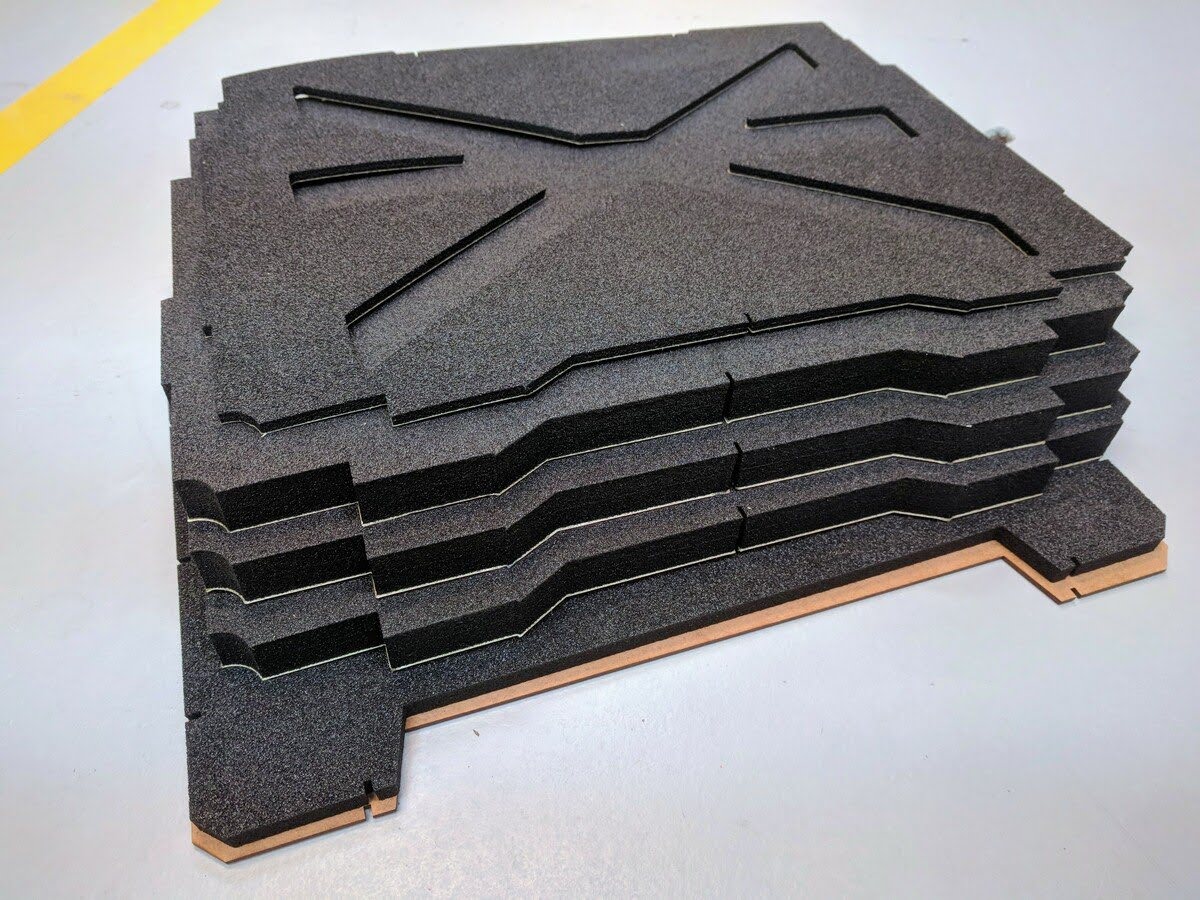
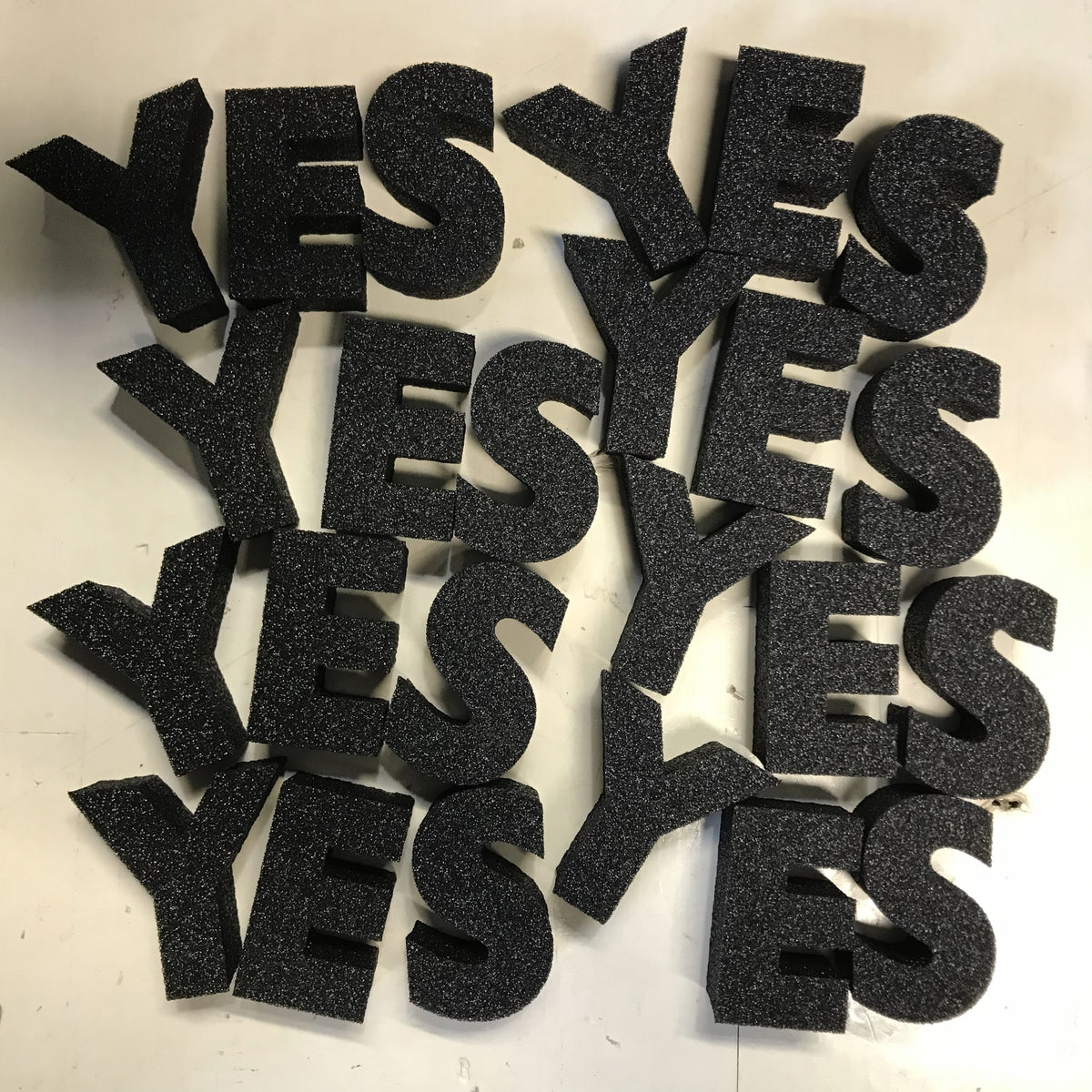
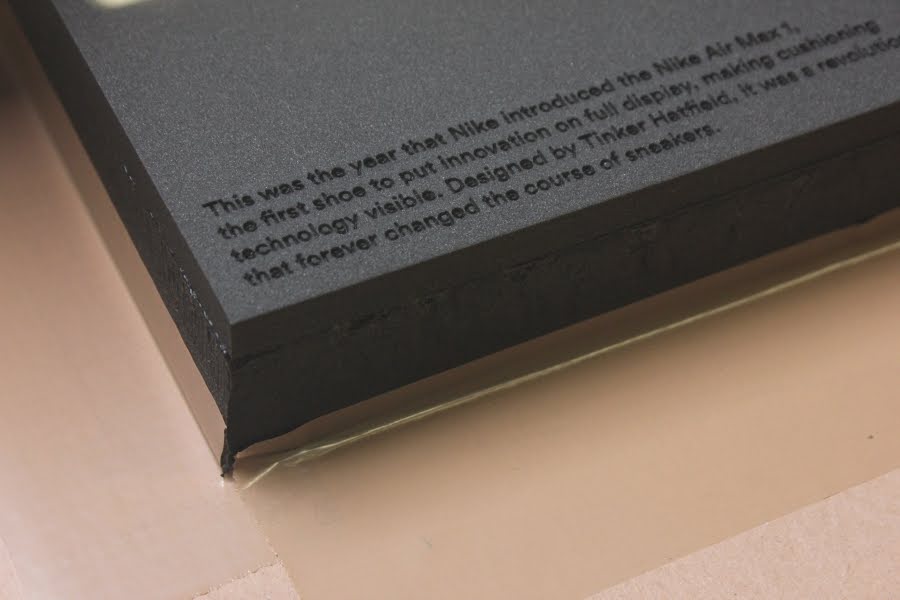
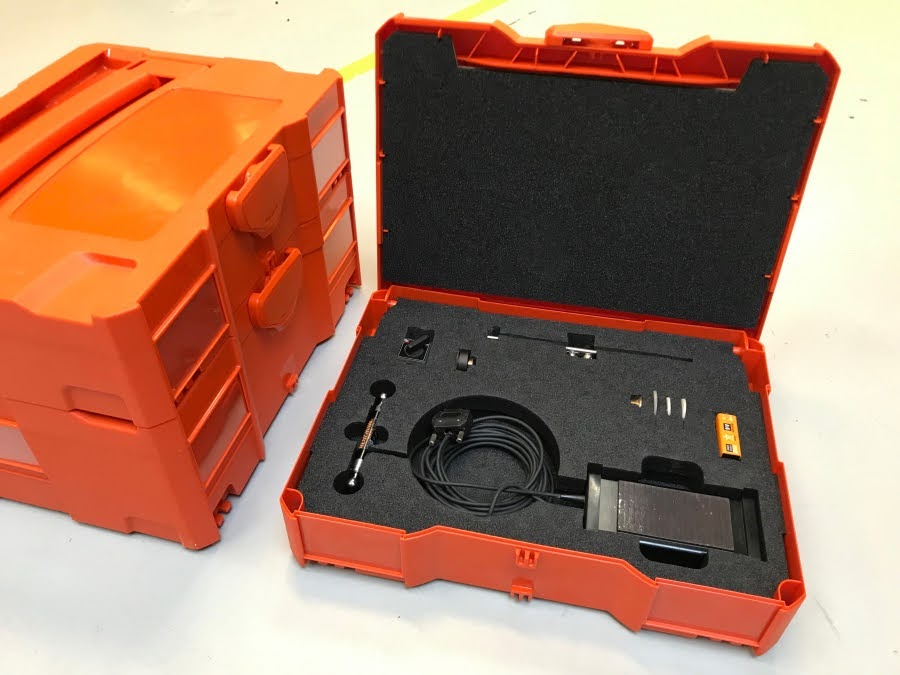
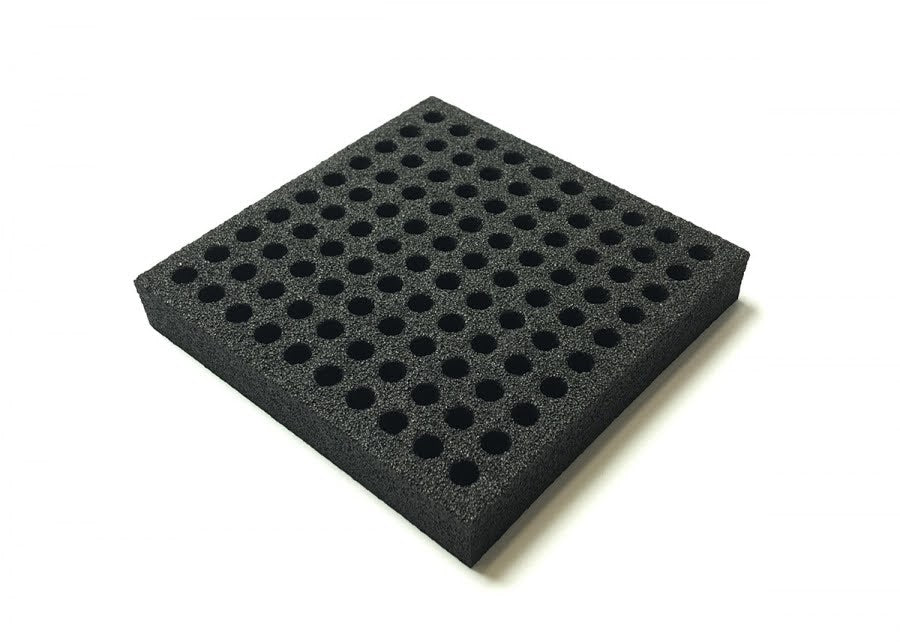

Firm, lightweight PE foam for inlays in cases, drawers, and flight cases. It has a clean cut edge, is engravable, and doesn't absorb moisture.
Exacte prijs zie je direct na upload.
In print runs as low as €0.05 per part!
| Abbreviation | PE (polyethylene) |
|---|---|
| Structure | Closed-cell |
| Max. dimensions | 1200 × 600 mm |
| Density | 28 kg/m³ |
| Transparency | Opaque |
| Gluing | Yes, with contact, spray, or plastic adhesive; double-sided tape |
| Painting | No |
| Kerf | 1.0 mm |
|---|---|
| Thickness tolerance | ± 0.2 mm |
| Min. width | 4.0 mm |
| Cut edge | Clean and soft, doesn't mark; cut approx. 1 mm |
| Protective film | Not possible |
| Adhesive film underside | Optional |
| Temperature | -80 … 100 °C |
|---|---|
| Chemical | Good: acids, alkalis, alcohol, oil. Not resistant to fuel and solvents |
| UV | Good |
| Moisture absorption | Low, approx. 1 vol.% after 7 days (closed-cell) |
| Waterproof | Yes |
| Outdoor use | Suitable for outdoor use |
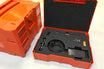
PE foam is a sturdy, resilient closed-cell polyethylene foam, well-known in the flight case industry. Use it to laser cut custom foam inlays: recesses that keep tools, measuring equipment, or products precisely in place.
Choose PE foam when a component needs to be held securely and protected: inlays for cases and tool drawers, shadow boards, packaging for fragile products, and damping interlayers. The surface is fine and uniformly black, so an inlay looks finished without post-processing. Thanks to its closed cells, it does not absorb moisture or oil and is easy to keep clean; black PE foam is also highly resistant to UV light. If a temporary or more affordable inlay is sufficient, consider soft foam. If you're looking for a soft, compressible material for seals, then cellular rubber neoprene is the better choice.
The laser melts a clean, soft cutting edge in the same colour as the surface. The edge does not rub off and has no odour; at 15 and 20 mm, the underside is slightly rippled. The cut is wider than with hard plastics, so take this into account for small details. You can engrave letters, names, and logos directly into the surface. PE foam can be easily glued with contact, spray, or plastic adhesive, and thick inlays can be built up from multiple layers: choose adhesive film on the underside and stick them together in one go. The dimensions for clamping an inlay are listed in the design tips.
Draw the cut-out 1 to 2 mm smaller than the object; the foam expands and grips it securely. Use 1 mm as standard, and 2 mm for large or organic shapes.
Keep the strips between cut-outs at least 4 mm wide. Thinner, they won't hold their shape.
Add a round hole of 25 to 35 mm to the edge of a cut-out, so you can easily lift the part out of the inlay.
Engrave labels, names, and logos directly onto the surface. Keep letters a minimum of 5 mm high for good readability.
Order multiple layers? Choose adhesive film on the underside and affix them all at once. Add alignment holes so the layers align perfectly.
Got space left in your inlay? Design an extra compartment for cables, bits, or other accessories, to keep everything in one case.
| Property |  PE rigid foam PE rigid foam
|
 Soft foam Soft foam
|
 Cellular rubber neoprene Cellular rubber neoprene
|
|---|---|---|---|
| Density | 28 kg/m³ | 140 kg/m³ | |
| Transparency | Opaque | Opaque | Opaque |
| Starting price | €14,59 | €14,74 | €14,67 |
DXF, STEP, SVG, DWG, AI, PDF · 1:1 in mm
blue = cutting · red = line engraving · magenta = area engraving
See the price instantly per material and delivery time. No quote needed.
Express (tomorrow) · 2 working days · 4 working days · 13 working days
Price adjusts.
Mail, courier or pick up in Rotterdam.
Business invoicing available.
Choose PE foam for inlays that see frequent use, need a neat finish, or hold heavy objects. It grips parts securely, doesn't absorb moisture, and leaves a clean, smooth cut edge. Soft foam is softer and light grey, with open cells. It suits lighter objects needing more cushioning or serves as a more affordable alternative.
No, the laser only cuts completely through the sheet. A recess that does not go all the way through is built up from layers: a bottom layer without a hole and one or more layers with the hole, each as a separate design. Choose adhesive film on the underside to connect the layers.
No, you will receive the layers separately. With adhesive film on the underside, you stick them together yourself in one simple step; alignment holes in your design will help with this. For large volume runs, you can request assembly.
Firm yet resilient: Shore OO 49 hardness, requiring 40 kPa for 25% compression and 100 kPa for 50% compression (Alveobloc datasheet). It springs back after compression, securing parts in an inlay. It is too soft to be used as a load-bearing component.
With water and a mild detergent, or with alcohol. Thanks to its closed cells, the foam does not absorb dirt or moisture. Do not use fuels, white spirit, or chlorine-based solvents: these will damage the foam.
Yes. It is closed-cell PE foam with a density of 28 kg/m³. You can find the datasheet in the downloads section on this page.
We standardly laser cut PE foam in 5, 10, 15 and 20 mm. You can build up thicker inlays from layers. You can request a different thickness for large volume runs.
We only stock PE foam and soft foam. You can supply other sheet foam yourself, such as EVA; contact us in advance to check if we can laser cut it.
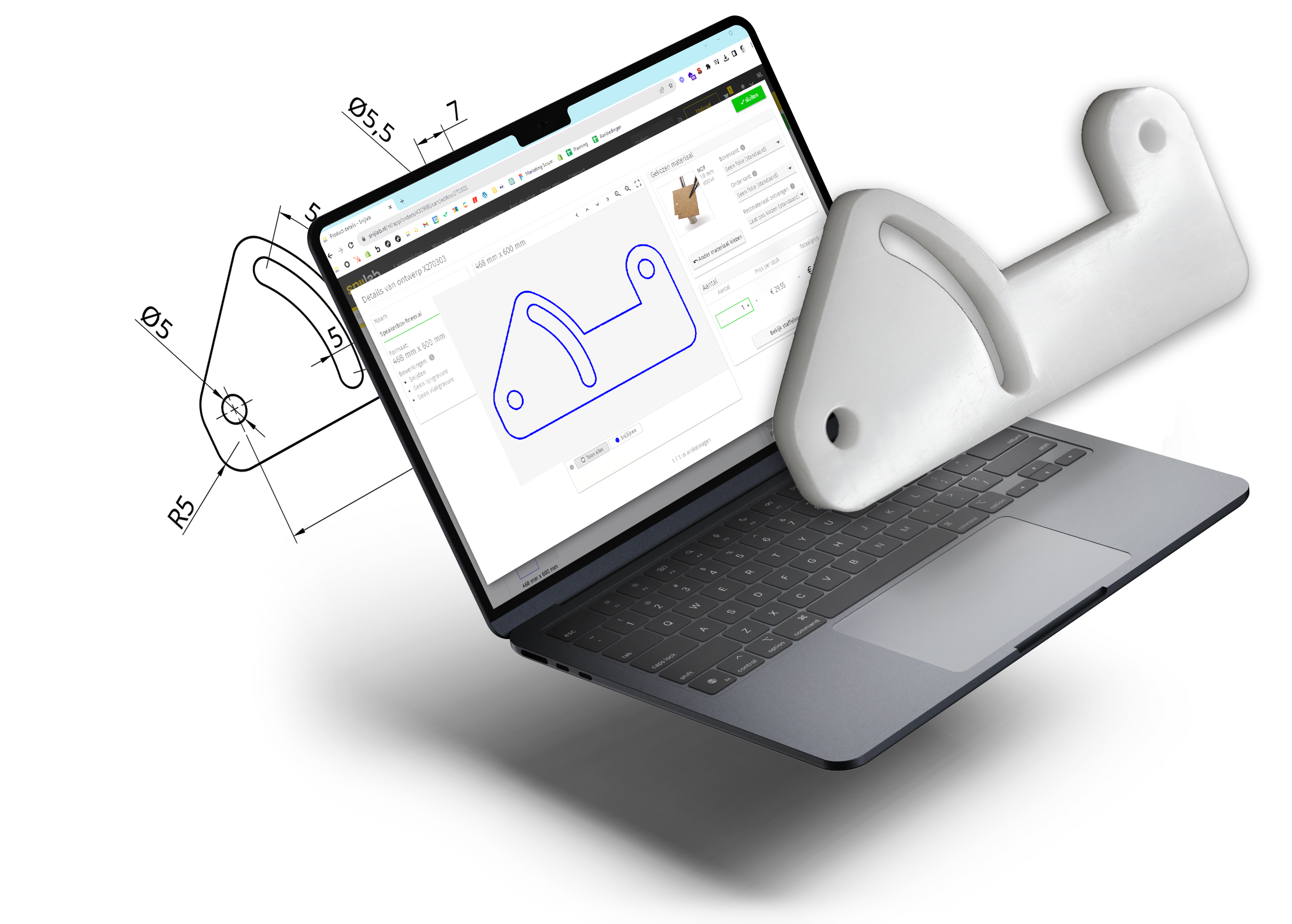
24/7 Instant quotes for laser cutting
Start your project today
Learn how it works. Want to talk it over first? Our support team is ready to help!
Create a free account