


























Rob's goal is to build a car completely from scratch using modern techniques, with the ultimate aim of creating a road-legal hypercar that can also compete in the 24 Hours of Le Mans. He shares his entire process on YouTube via @ClassicCarEVO. We were asked to make a part for his latest machine.
Building a hypercar from scratch
Rob is working on a rather ambitious project: developing and building a hypercar himself. With this, he not only wants to create a special car but also demonstrate that projects that seem almost impossible at first glance can still be within reach if you are willing to learn and build yourself.
That's why he documents the entire process on YouTube. Not just the final result, but also the development, technical choices, problems, and solutions along the way. This way, you can follow how such a project comes to life step by step.
And when Rob says from scratch, he truly means it. He not only makes as many car parts himself as possible, but also builds the machines and tools he needs to produce and test those parts. That might sound like a hobby project that got out of hand, but it's all being approached quite professionally. Rob works with great drive and precision, delving deep into every technical challenge he encounters along the way.
One of the machines he is building for this is a CNC gantry mill. With this CNC milling machine, Rob will soon be able to make precise moulds, plugs, and body parts for the hypercar, among other things.

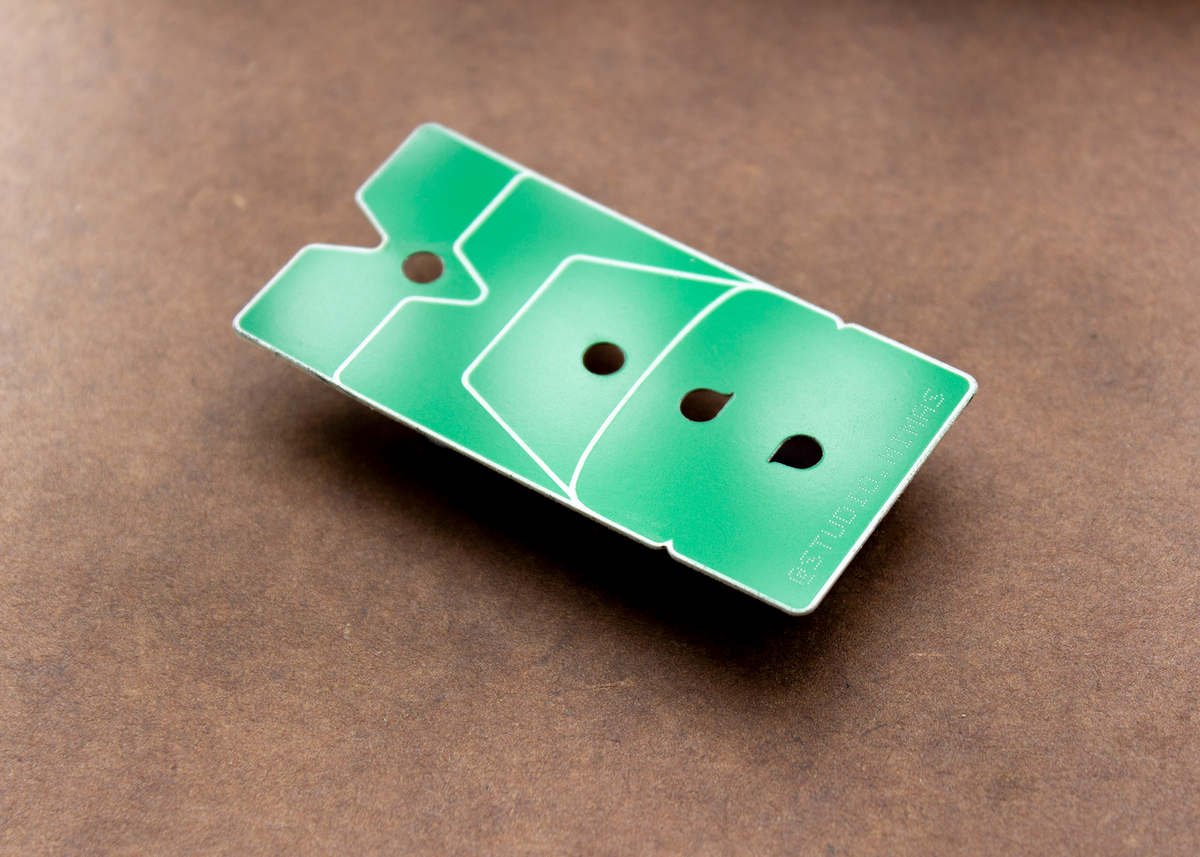
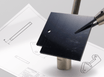
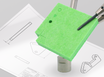
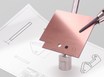
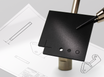
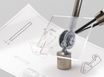
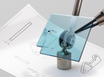
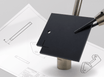
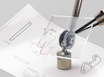
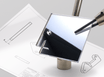
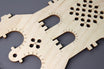
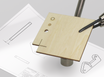
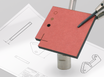
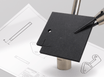
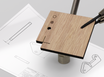
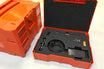
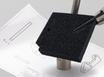
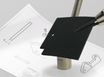
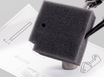
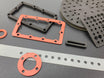
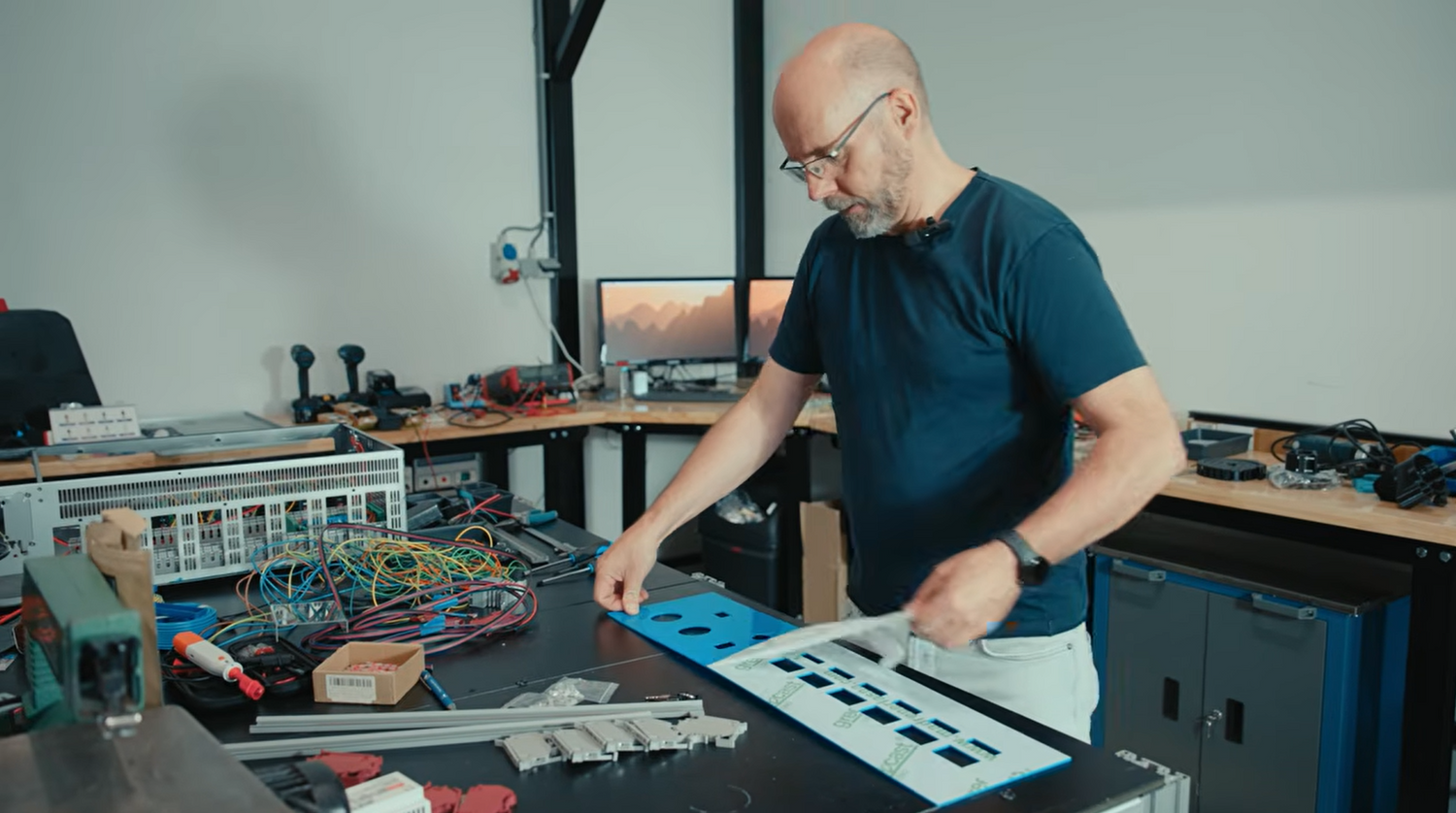
As a sponsor, we were asked to produce the front panel for the machine. The blue acrylic panel has space for all the buttons and completes the CNC machine.
First the machine, then the parts
To produce precise parts yourself, you need a machine that can actually do that.
In his latest video, Rob is working on the electronic setup of his CNC. We see how the various components of the machine come together: from transformers, motor controllers, and emergency stop systems to monitoring hardware.
The focus is precisely on the details. The wiring is colour-coded, six stepper motor controllers are connected, and volt and ampere meters are placed in the front panel.
Step by step, a collection of separate mechanical and electronic parts transforms into a machine that will soon be able to create new parts.
Why Snijlab develops its own machines
We know that principle all too well at Snijlab.
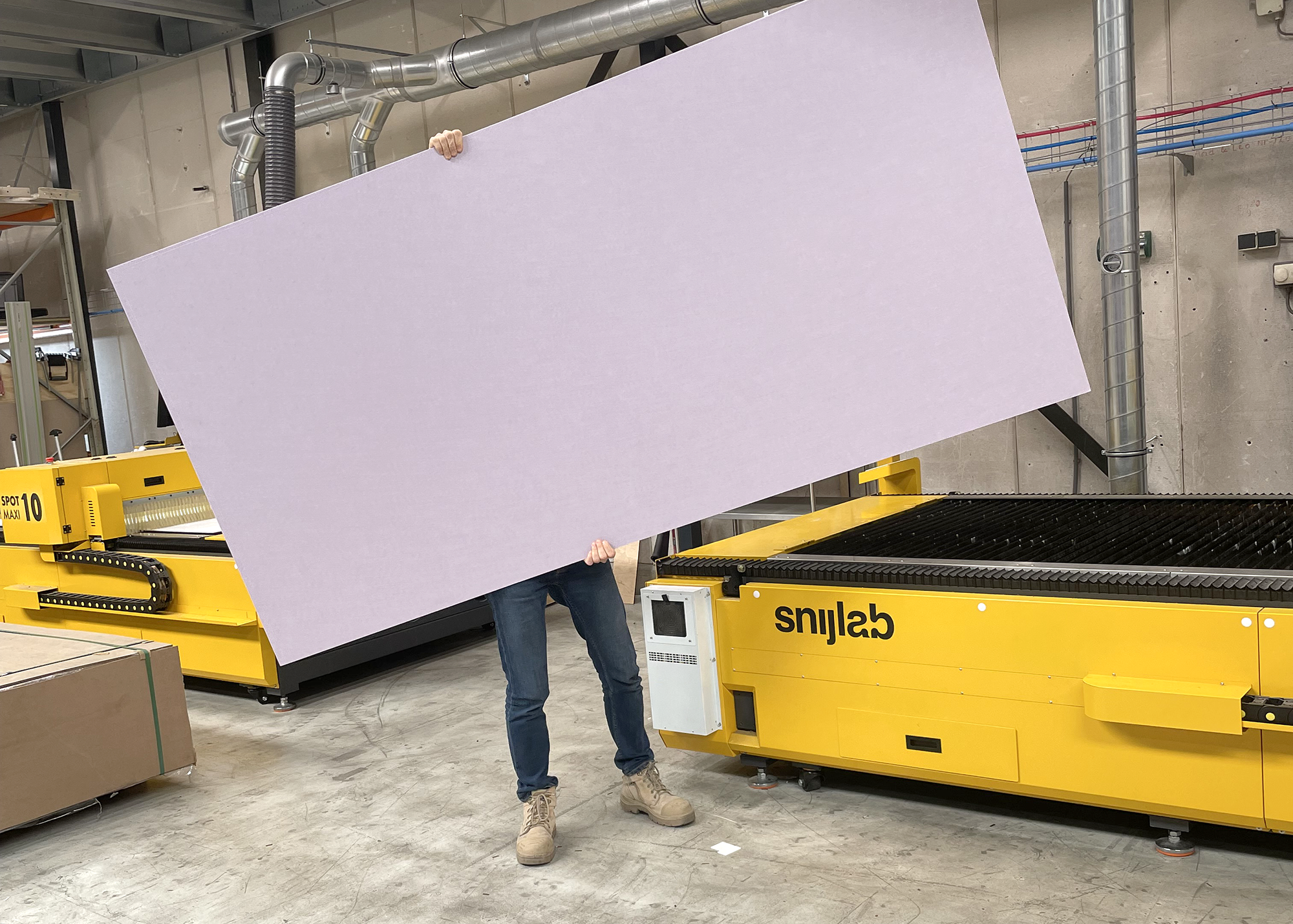
When Christian Waber and Jiskar Schmitz started Snijlab, the laser cutter they wanted to use for production did not yet exist. Existing machines did not meet their requirements for quality, reliability, and maintenance. That's why they decided to build one themselves.
Thus, the first SPOTmini was created in 2010. Not as an end in itself, but as a means to build the laser cutting service they envisioned.
We now have four second-generation SPOTminis in our machinery, and a large part of our production runs on these machines. The knowledge gained during the building and continuous development of the SPOTmini is still used in developing and improving our machines and production processes.
Learn more about the development of the SPOTmini.
A part of a larger project
That's why we find Rob's project so interesting to follow. Not just because of the hypercar that will eventually roll out of the workshop, but also because of everything that needs to be made and learned beforehand.
At Snijlab, that approach led to the SPOTmini, with which we produce parts for others daily. Rob is building his CNC to be able to make parts for his hypercar.
For this CNC, we made the blue front panel, where the controls and meters come together, among other things. As the CNC and the hypercar take further shape, we hope to be able to help Rob with parts more often.
For now, we are especially curious about the next step: turning on the CNC and seeing if everything works.
Curious how the machine is put together and if the self-built CNC works? Watch Classic Car EVO's latest video.