




Photography by Jasper Zijlstra
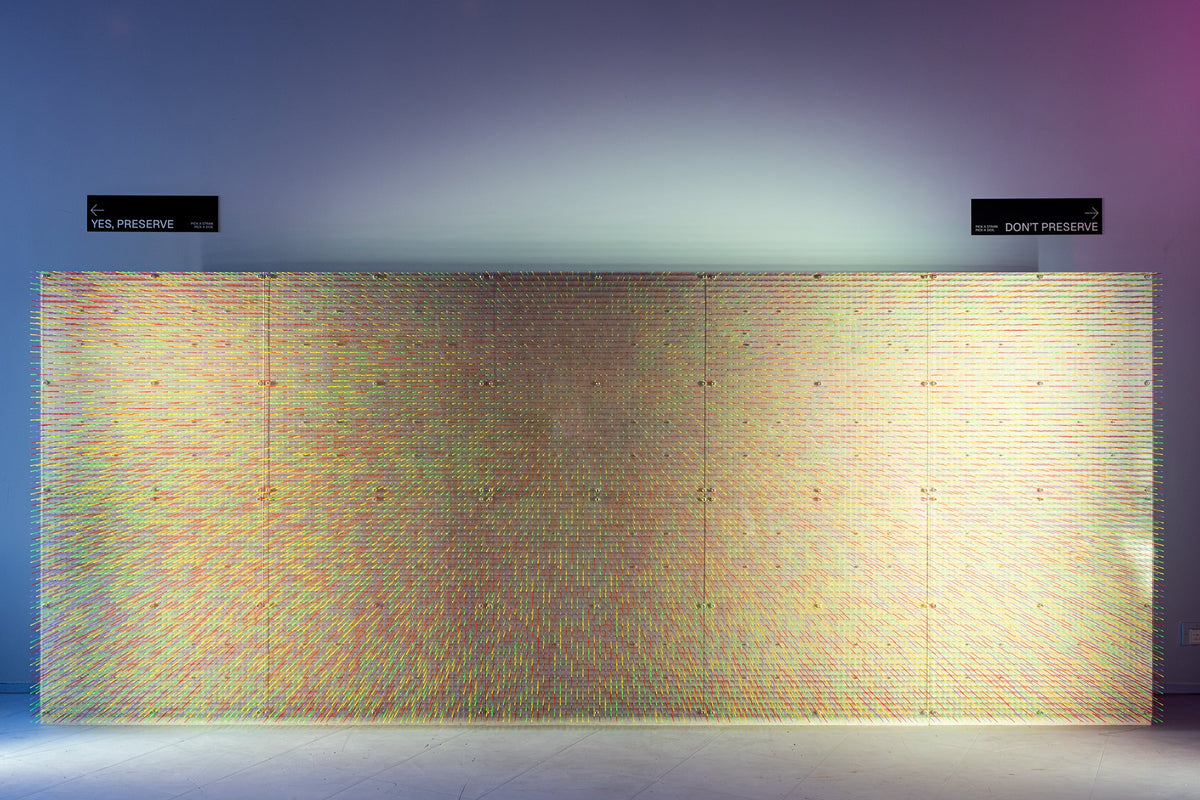
For the installation Frozen in Time and Space at Dutch Design Week 2026, visitors pulled thousands of straws out of a PET felt wall and put them back in. This only works if each hole is precisely right: tight enough to hold the straw straight, yet wide enough to remove it without effort. Artistic designer Bertrand Burgers found that balance by testing in 0.05 mm increments. But his first sample? The straws fell right through. In this blog, he shares his process.
A wall that counts votes
The straws in the installation are real cryo-straws: thin tubes in which genetic material from humans and animals is frozen for the long term. Each straw features a short text about a life that has been frozen and why.
Visitors take a straw from the wall and replace it based on their own judgment. To the left means: I believe this life is worth freezing. To the right means: I believe this life is not worth freezing.
Each colour represents a different application, so patterns emerge over time. "An initial impression after Dutch Design Week, for example, suggests that the red straws were primarily moved to the left (agree)," says Bertrand. These represent nature conservation, such as freezing endangered species. "What also stands out is that the green straws were more often moved to the right (disagree). In this case, our own interests are central, for example, freezing eggs to take the pressure off dating." The precise outcomes are still being researched.
Technical requirements for the wall and the straws
According to Bertrand, there were four technical requirements that needed to be considered: three for the wall and one for the straws. Firstly, the wall had to be sturdy and reliable. Thousands of visitors would be taking straws in and out of the wall, which required the construction not to wobble, let alone fall over. Additionally, the wall had to be modular. It is 10 m² and travels to multiple exhibitions. Therefore, it consists of ten panels, each 1 m², that can be assembled and disassembled independently. The third requirement was that all straws had to stand perfectly straight in the wall: each hole had to be identical and precisely aligned. For the straws themselves, it was all about the correct fit. They needed to be held firmly yet be easy to remove. "Finding the right balance was quite a quest, but we ultimately succeeded with many prototypes."
Material and method went hand in hand
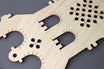
The production method needed to be fast and precise, capable of creating a large number of identical holes. Laser cutting was the obvious choice. At the same time, Bertrand wanted a material with a soft appearance.
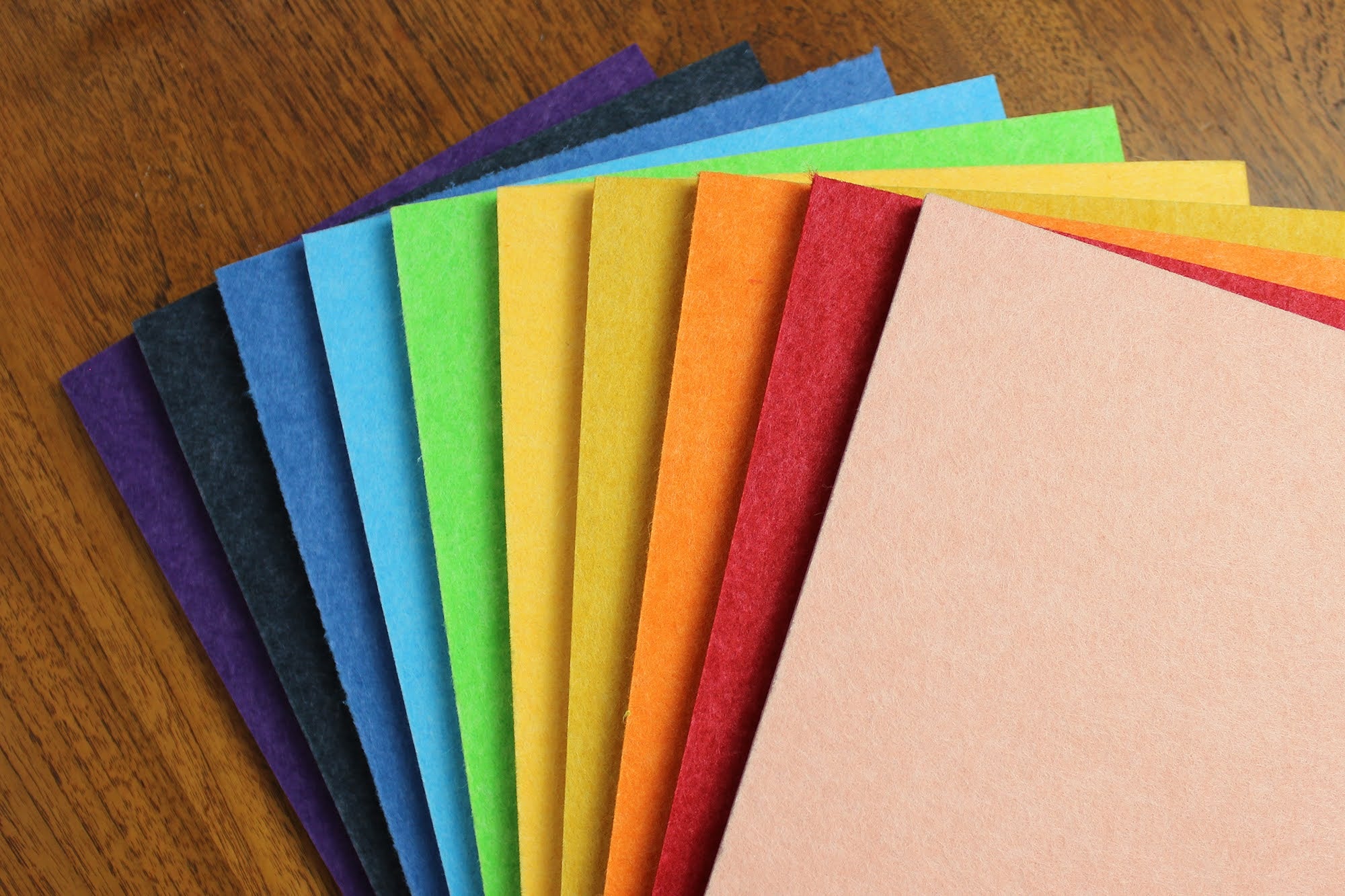
Joost Plattel, who assisted him with the technical design, suggested PET felt. "Not only did it have the desired appearance, but it also proved to be suitable for laser cutting," says Bertrand. "This is how the material choice and production method came together."
The fit, in 0.05 mm increments
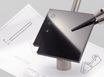
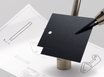
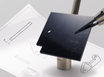
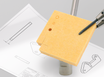
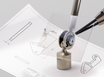
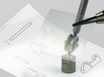
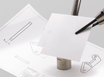
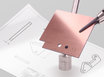
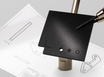
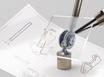
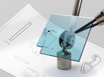
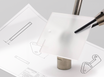
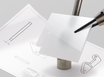
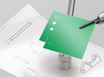
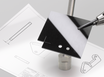
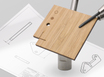
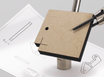
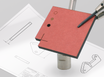
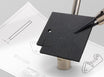
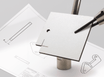
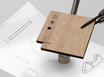
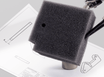
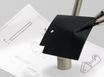
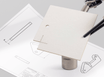
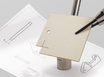
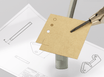
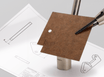
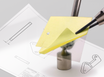
The first sample was disappointing: all the holes were too large, and the straws fell right through. "And that's despite having based it on the straws' diameter. There's always a difference between theory and practice, but that's part of any production process."
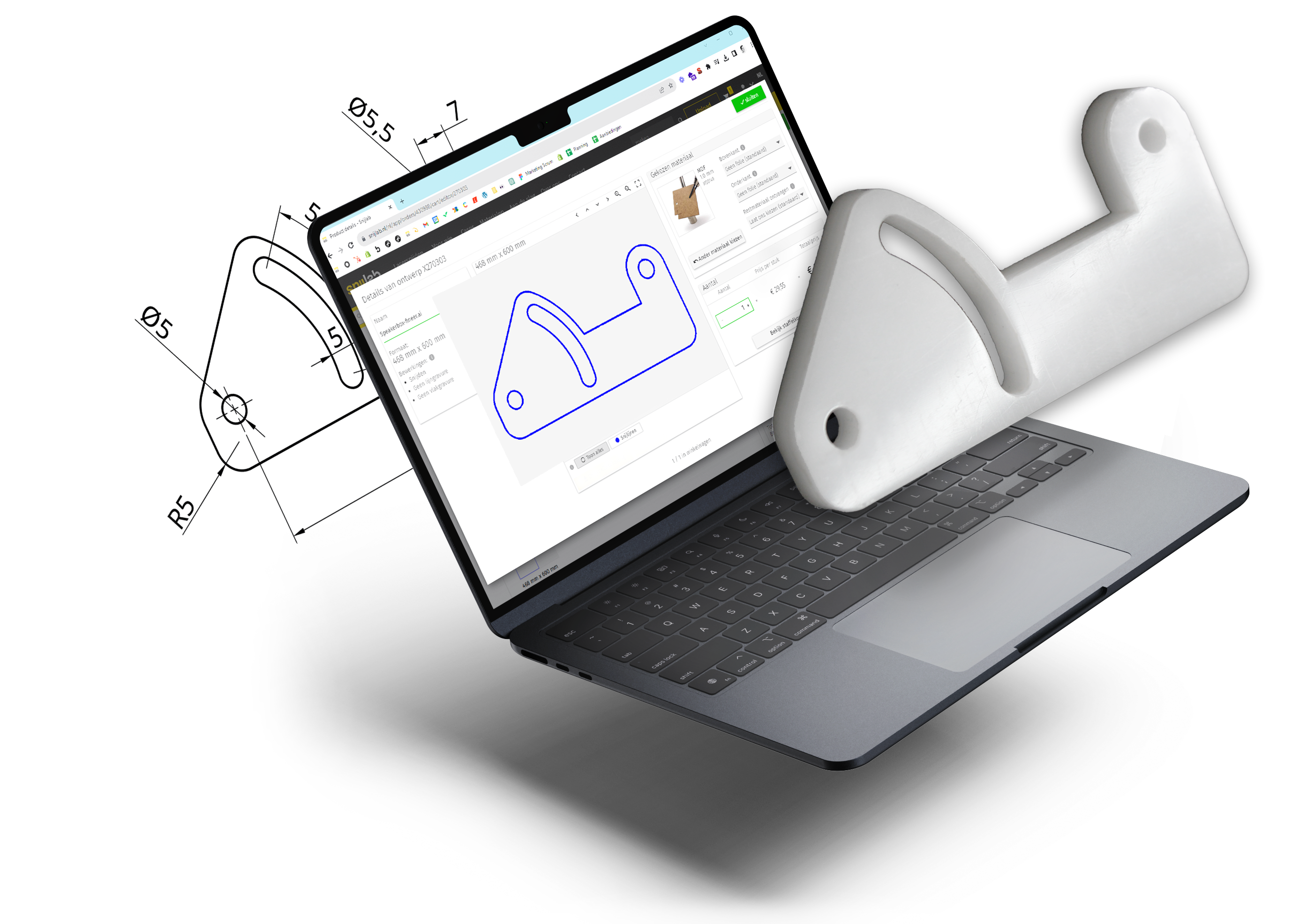
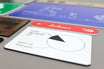
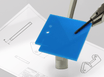
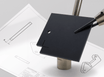
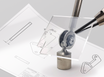
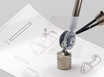
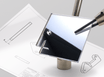
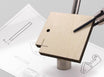
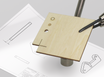
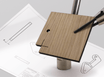
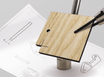
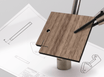
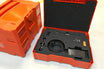
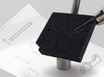
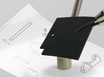
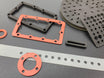
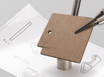
That's why Bertrand ordered a series of samples from Snijlab with hole diameters differing by 0.05 mm each time. By testing each variant with the actual straws, he found the diameter where the straw was held firmly yet was easy to remove.
Even after that, small adjustments proved necessary. After several iterations, the final order for all ten panels followed. "It was therefore exciting to finally place the large order for all panels, but in the end, all the holes were perfect."

Photography by Jelmer de Haas
Collaboration and advice
Joost knew Snijlab from previous projects. Bertrand says: "During the production process, particularly when testing the different diameters, we encountered several challenges. Snijlab was very proactive in brainstorming solutions with us and provided additional service where needed."
His advice to designers using laser-cut parts in an installation for the first time is:
“First, order a number of samples for prototyping. Especially if, as in our case, it involves minimal differences of 0.05 mm, you'll want to thoroughly test how the material behaves in practice. Even when we thought we had found the correct fit after extensive testing, some adjustments still proved necessary. You can't simply assume that a material will emerge from the machine exactly as you designed it on the computer."