
Fast, precise, and affordable
Stencil laser cutting
Info about stencils, spray masks, and paint templates
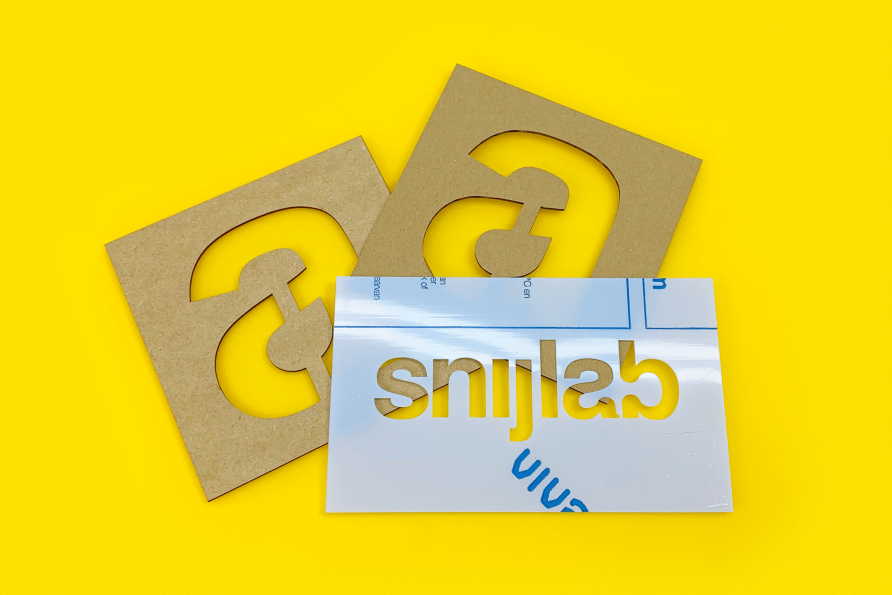
You can easily make a custom paint stencil or template with laser cutting. Order stencils with your design, starting from a single piece. But which material is best for your stencil? And what should you pay attention to when designing? Read on, we'll explain.
Stencil and Template Materials
Filters
5 products
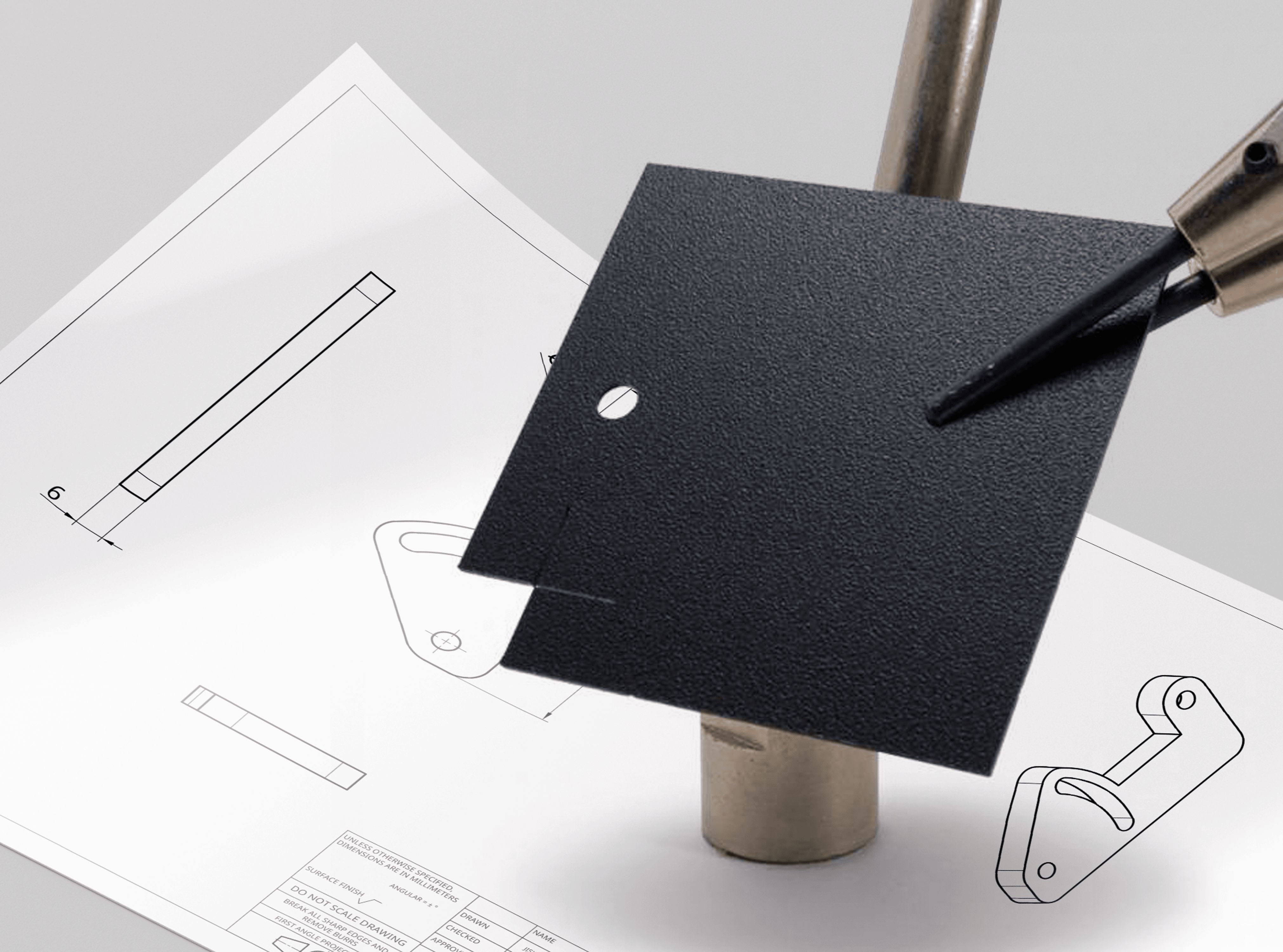
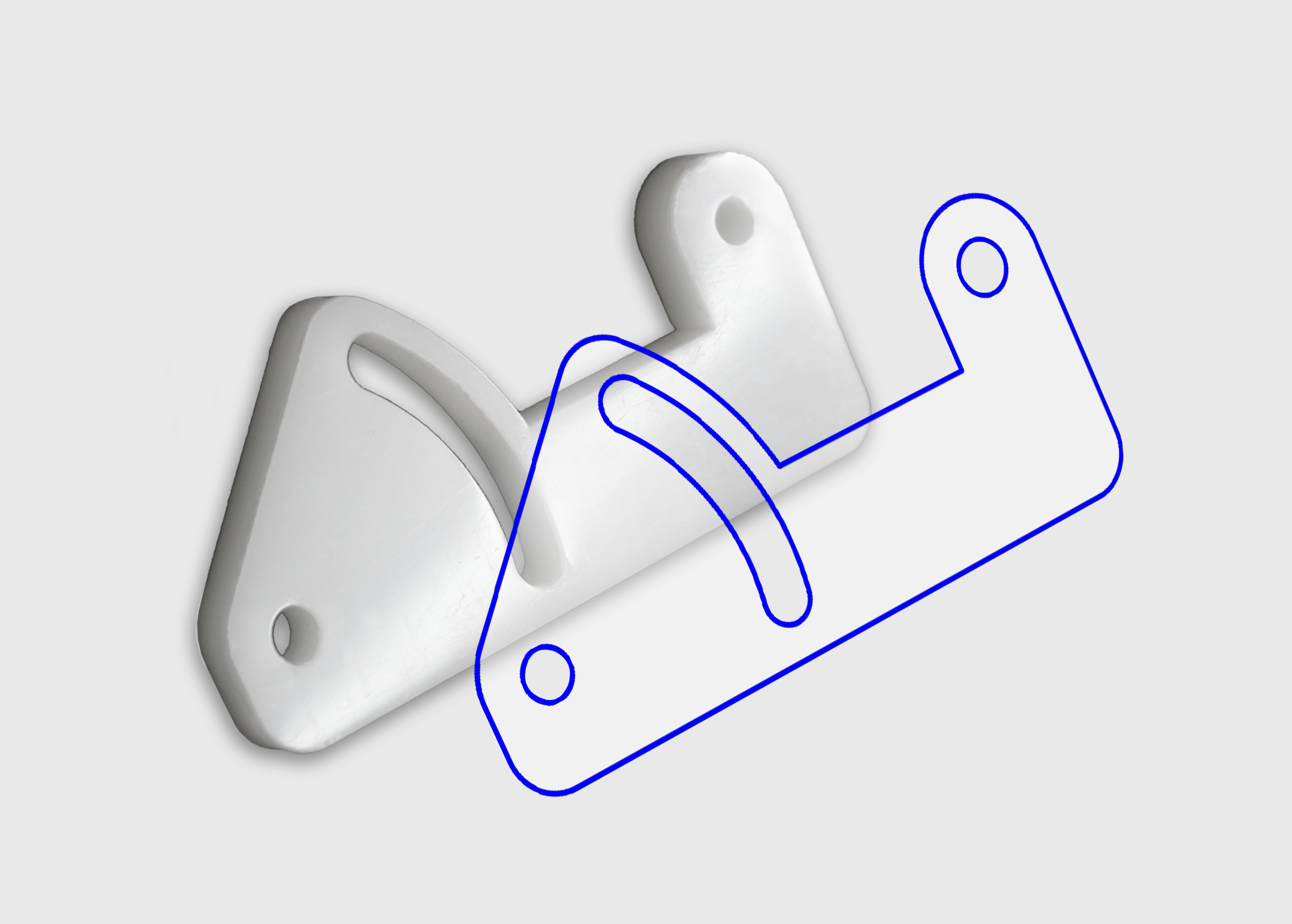
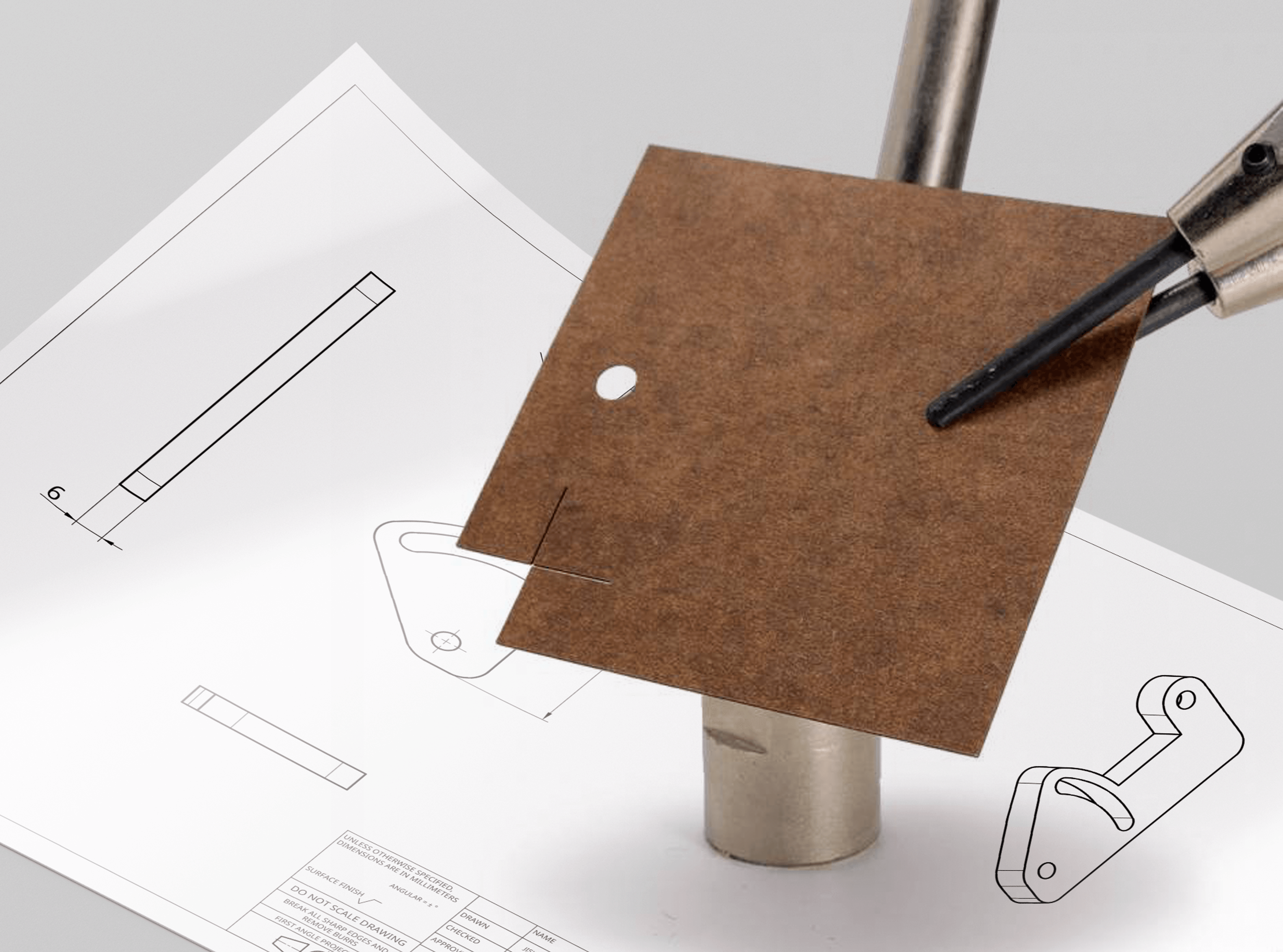
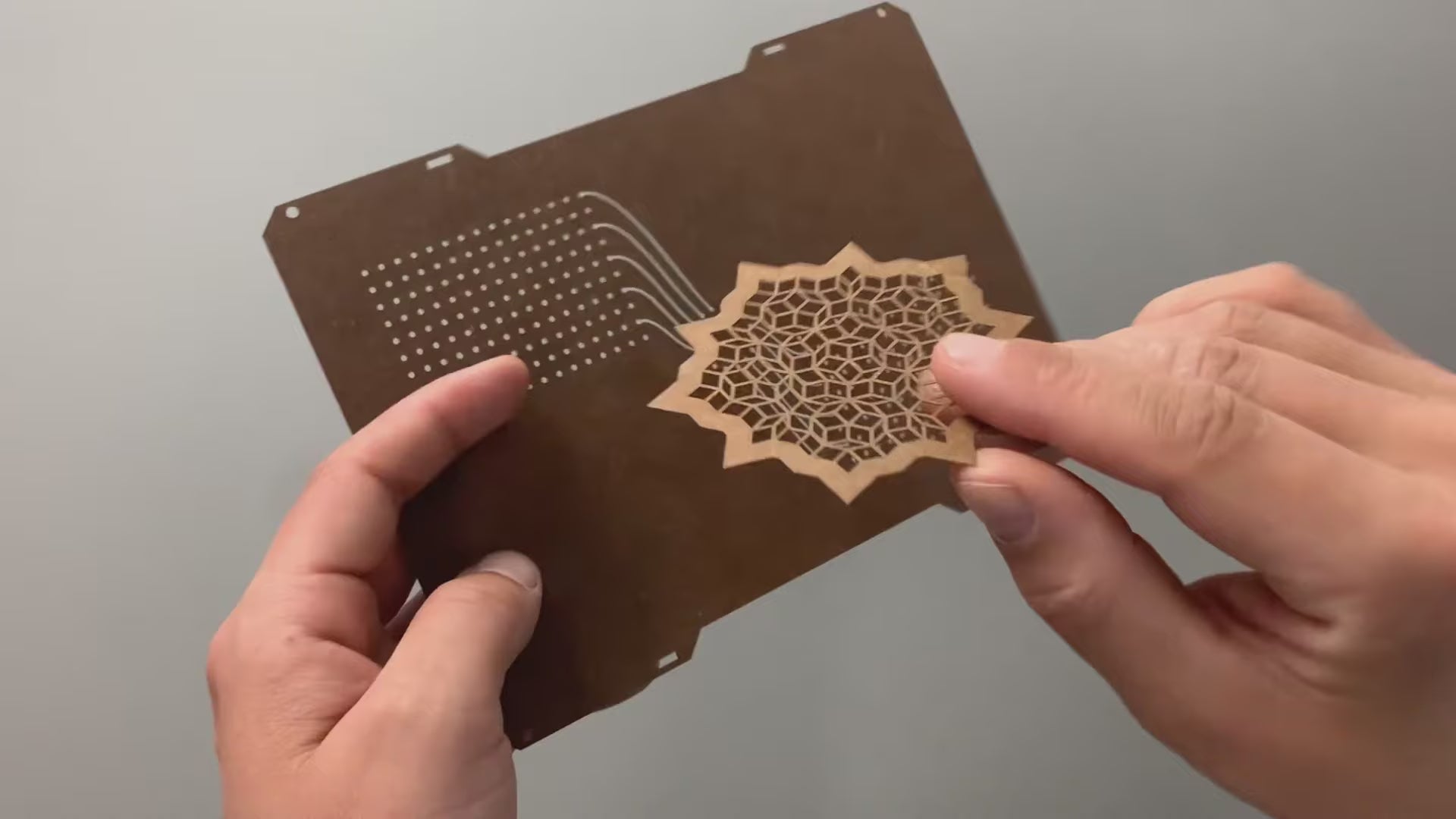
Why laser cut a stencil?
- Your own design, professionally cut
- Available from a single piece
- Easy to reorder
- Choose a material that suits your project
Below you'll find our tips for designing a stencil, and material advice.
How do I make a custom template, stencil, or mask?
Create a design for your stencil, for example with your logo, letters, or an illustration. Add text in a stencil font, or adapt your own letters. Adjust internal shapes,
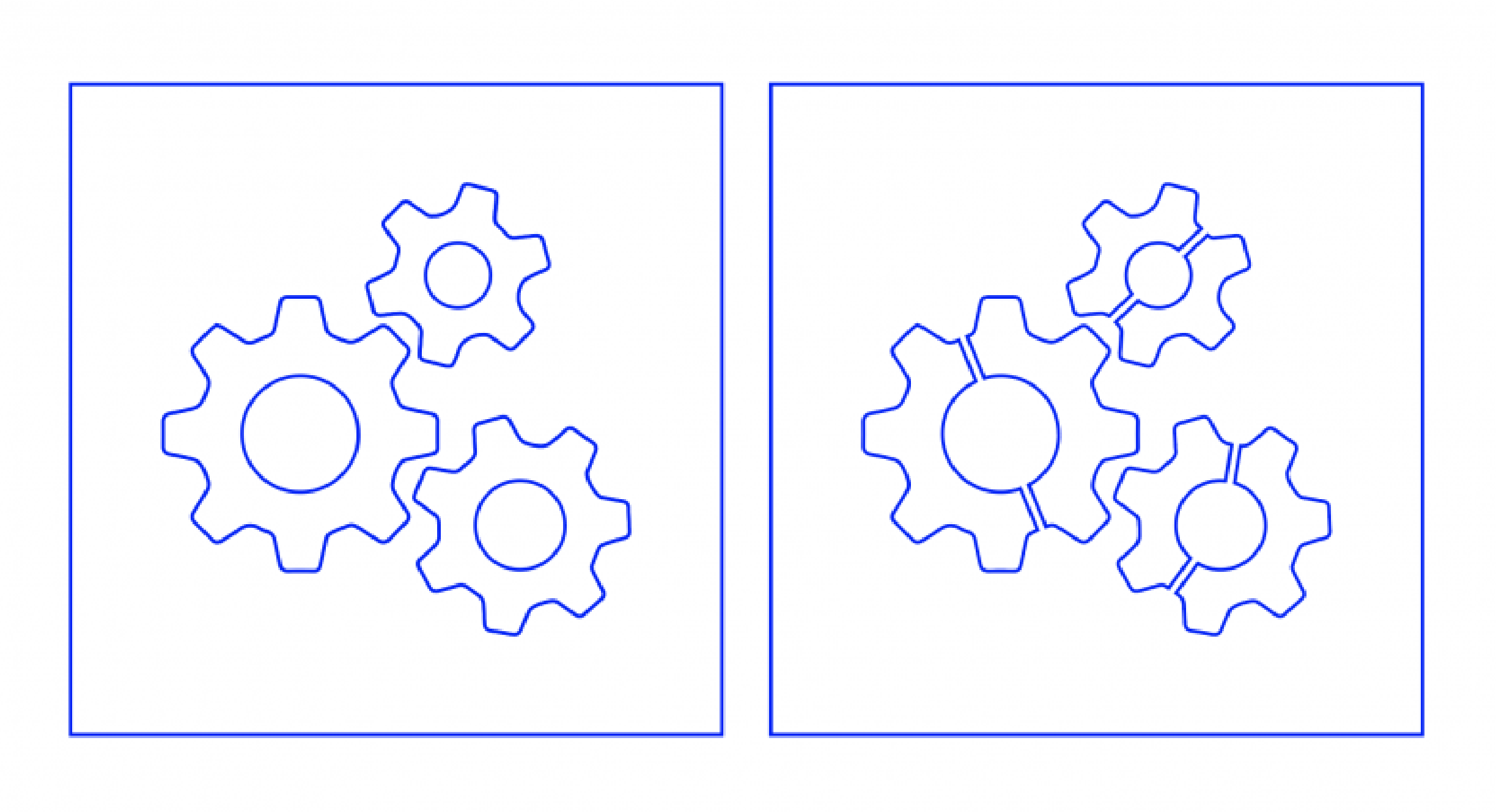
Left: Loose internal shapes
Right: Internal shapes with connecting bridges
Step-by-step: designing a stencil
- Create a design in a vector drawing program, such as Adobe Illustrator, AutoCAD, or Rhinoceros. Check the design rules
- Connect internal shapes in your drawing so they don't fall out. For letters, you can also use a stencil font.
- Draw a frame generously around your design; this will be the outer shape.
- Upload your drawing
- Choose a material and delivery time
- See an instant price and order
Read on to discover which material we recommend for each type of stencil. Or first check how ordering at Snijlab works
Internal Shapes in Stencils
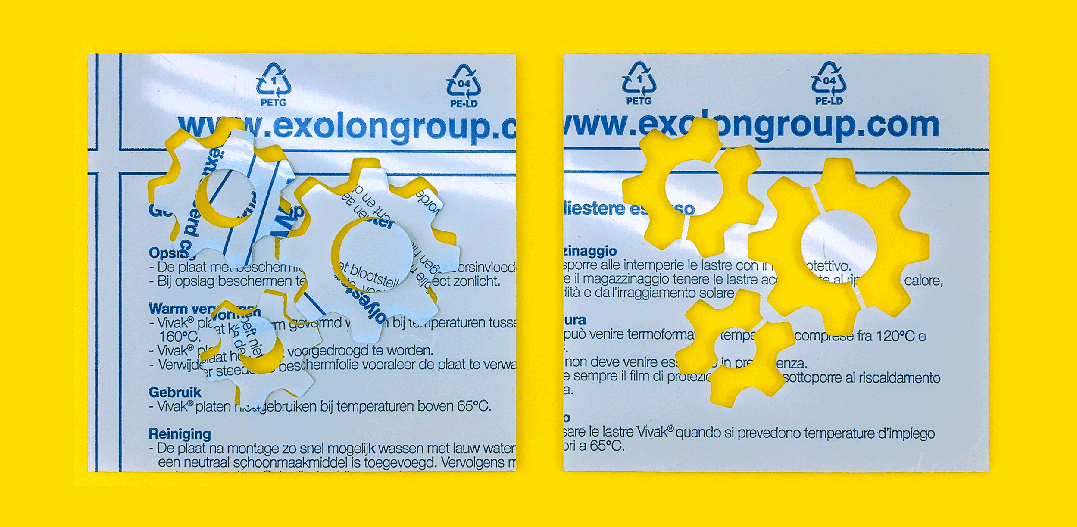
Left: Internal shapes fall out
Right: Internal shapes stay in place due to connecting bridges
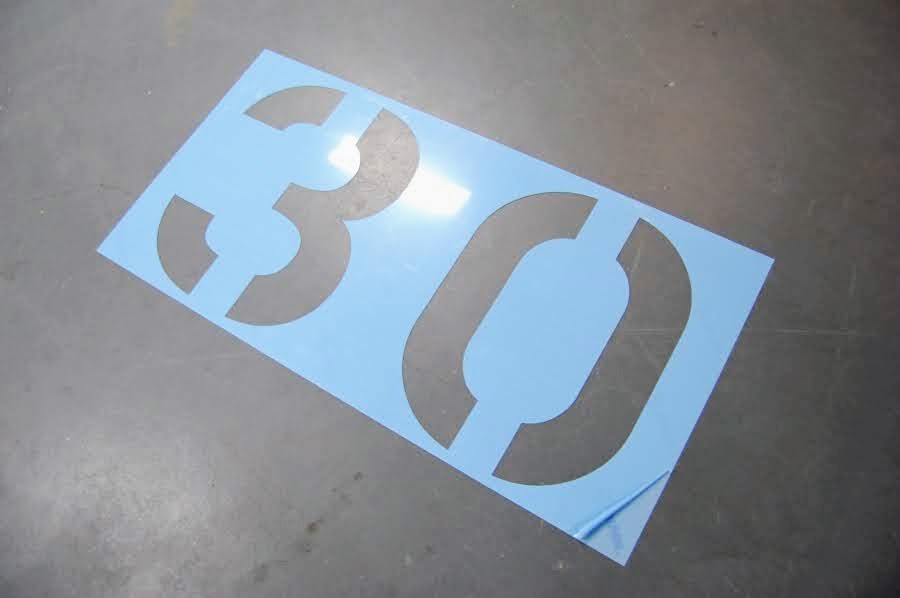
The laser completely cuts through all blue lines, causing loose shapes in stencils to fall out. We often see this go wrong, so pay close attention. You can secure loose shapes with connecting bridges. These connecting bridges are also called 'tabs' or 'ties'.
Stencils with Letters
Especially with letters like 'A' or 'O', internal shapes coming loose is a problem. Drawing connecting bridges in an entire text often takes too much time. You can also design your layout using a stencil font, which are fonts specifically made for stencils and templates.

Stencil Std Bold is a well-known stencil
How do I make a custom template, stencil, or mask?
Create a design for your stencil, for example with your logo, letters, or an illustration. Add text in a stencil font, or adapt your own letters. Adjust internal shapes,
Left: Loose internal shapes
Right: Internal shapes with connecting bridges
Step-by-step: designing a stencil
- Create a design in a vector drawing program, such as Adobe Illustrator, AutoCAD, or Rhinoceros. Check the design rules
- Connect internal shapes in your drawing so they don't fall out. For letters, you can also use a stencil font.
- Draw a frame generously around your design; this will be the outer shape.
- Upload your drawing
- Choose a material and delivery time
- See an instant price and order
Read on to discover which material we recommend for each type of stencil. Or first check how ordering at Snijlab works
Internal Shapes in Stencils
Left: Internal shapes fall out
Right: Internal shapes stay in place due to connecting bridges
The laser completely cuts through all blue lines, causing loose shapes in stencils to fall out. We often see this go wrong, so pay close attention. You can secure loose shapes with connecting bridges. These connecting bridges are also called 'tabs' or 'ties'.
Stencils with Letters
Especially with letters like 'A' or 'O', internal shapes coming loose is a problem. Drawing connecting bridges in an entire text often takes too much time. You can also design your layout using a stencil font, which are fonts specifically made for stencils and templates.
Stencil Std Bold is a well-known stencil
Tutorials
Check the design tips
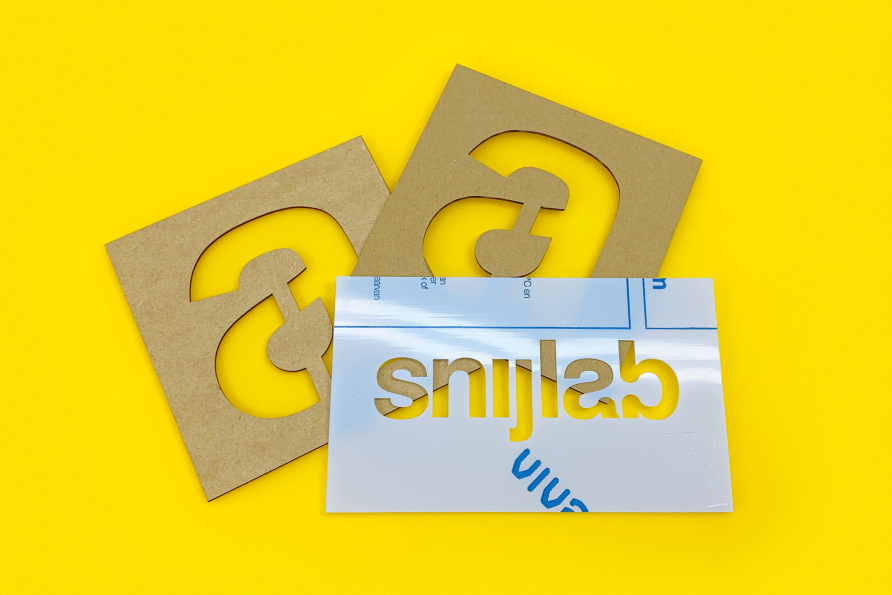
How do I make a stencil?
In this tutorial, you'll learn how to make a stencil with laser cutting. Laser cutting is a quick and easy way to create stencils.
How do I make a spray template?
In this tutorial, you'll learn how to create a drawing in Adobe Illustrator for paint stencils and spray templates, suitable for laser cutting.
Which material should I choose for my stencil, spray mask, or template?
Stencils, templates, and masks are made for many different types of applications. Laser cutting is the technique for easily and quickly producing custom stencils, starting from a single piece. Choose a material that suits your project for the best result.
Read on for our material advice for stencils.
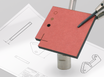
1. PETG (Polyester/Vivak)
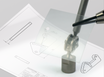
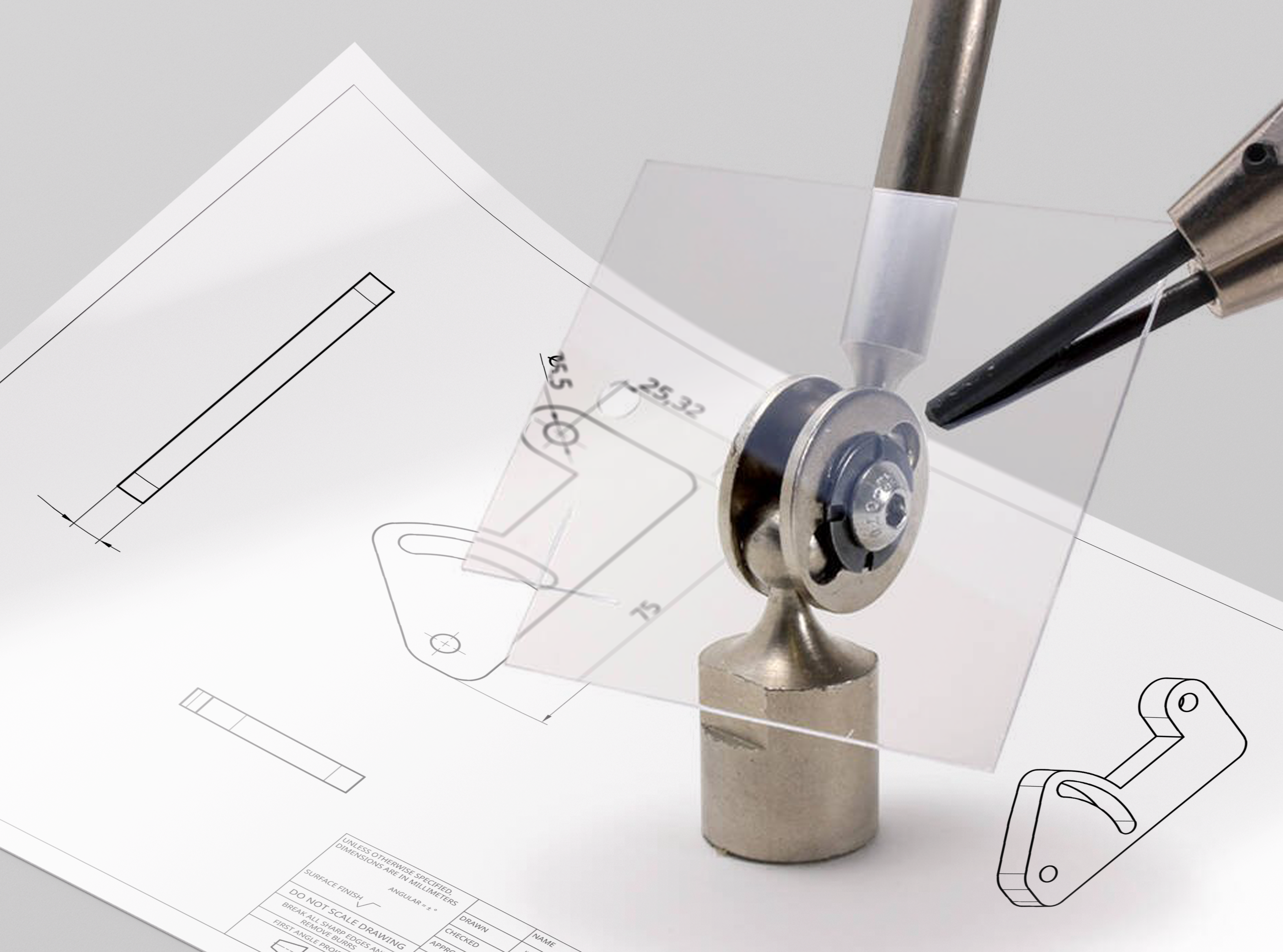
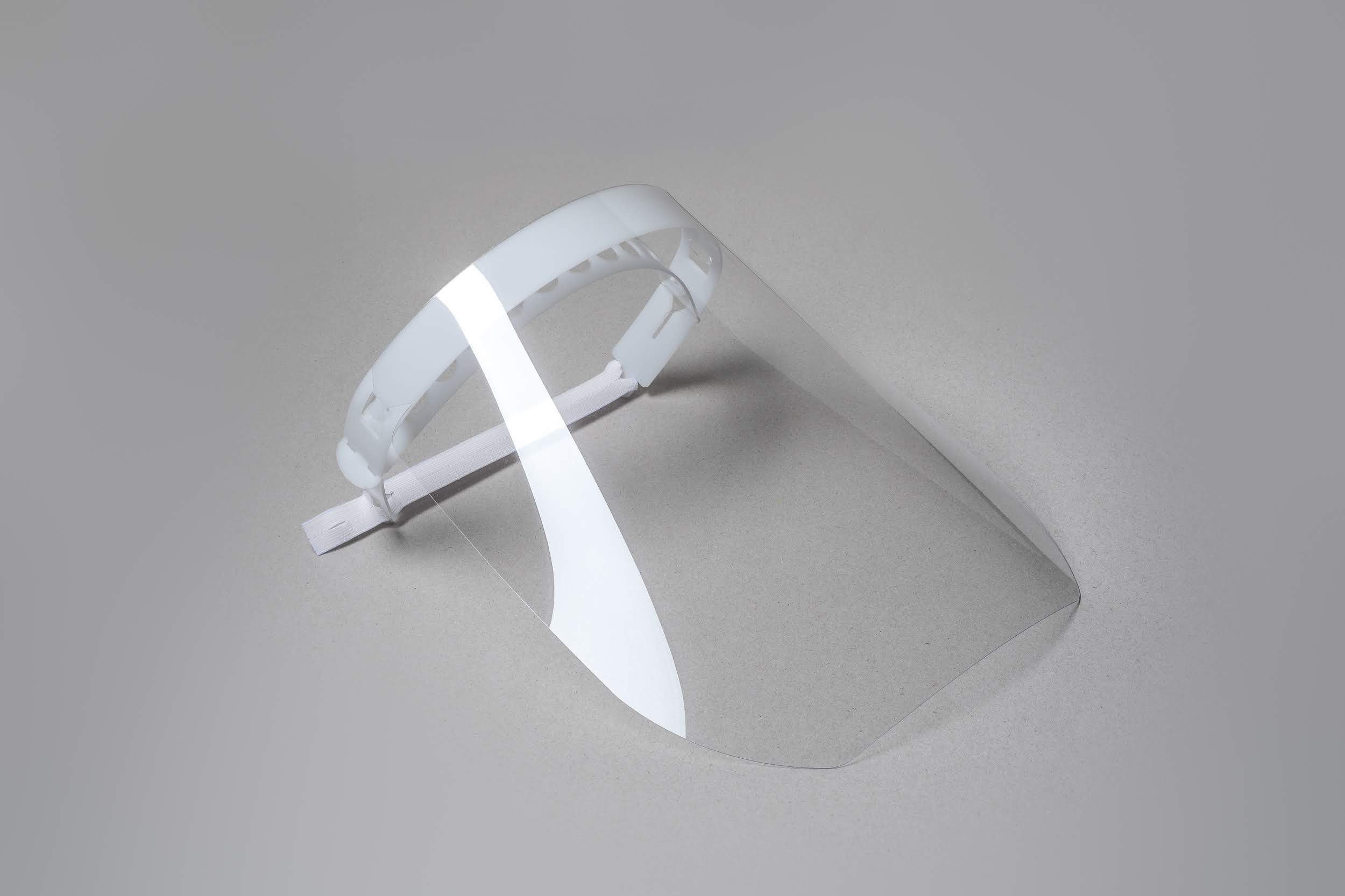
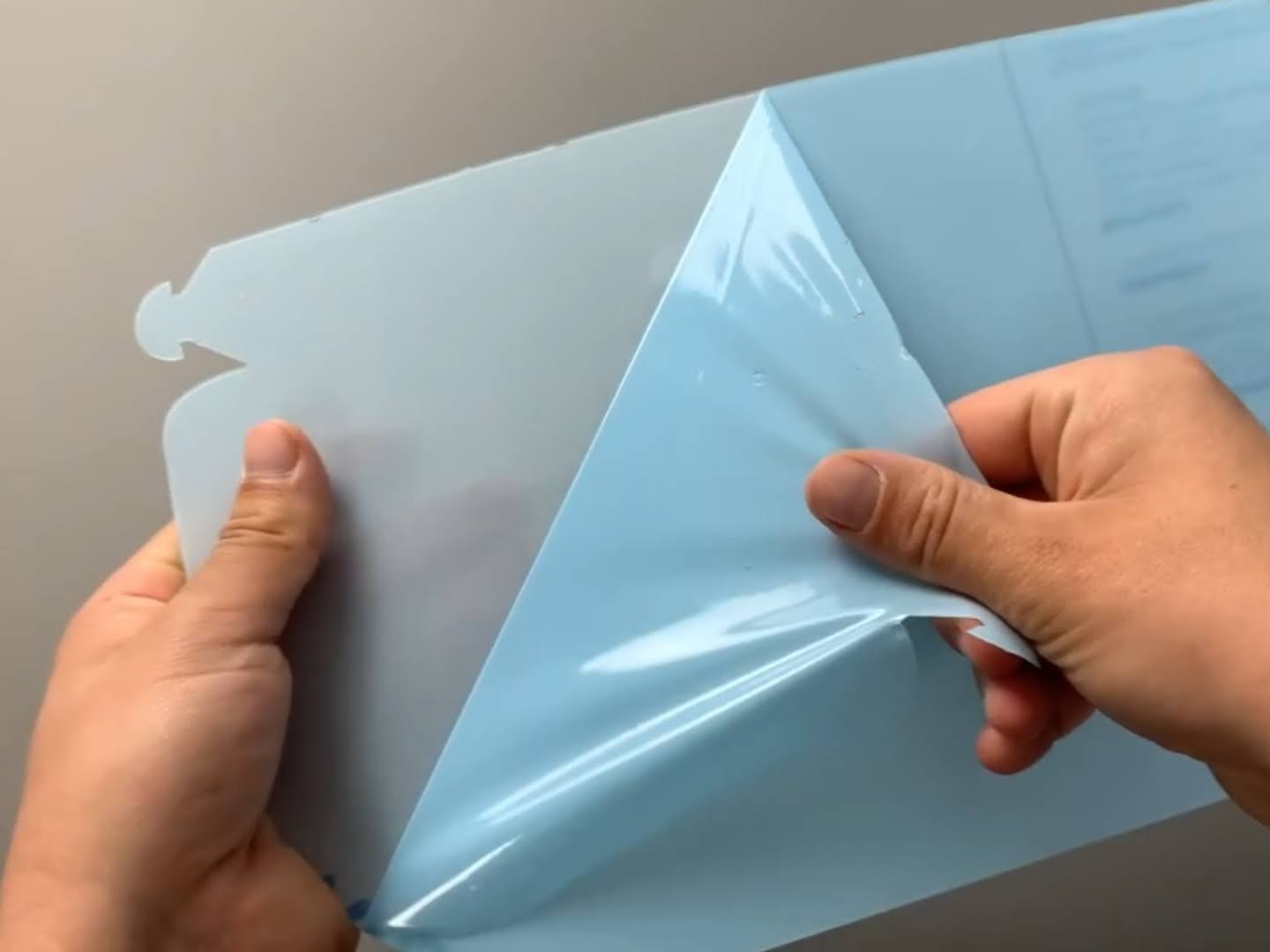
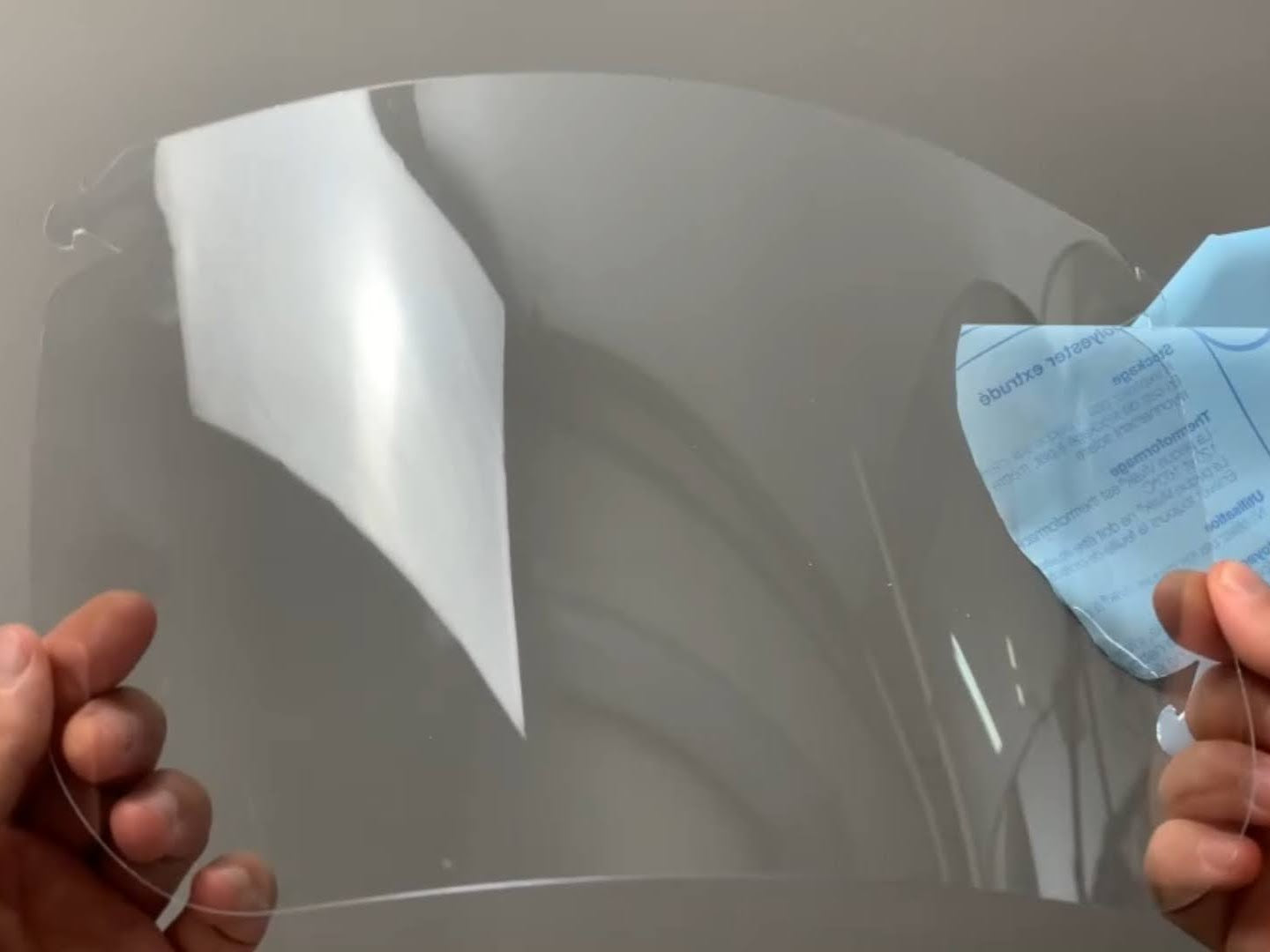
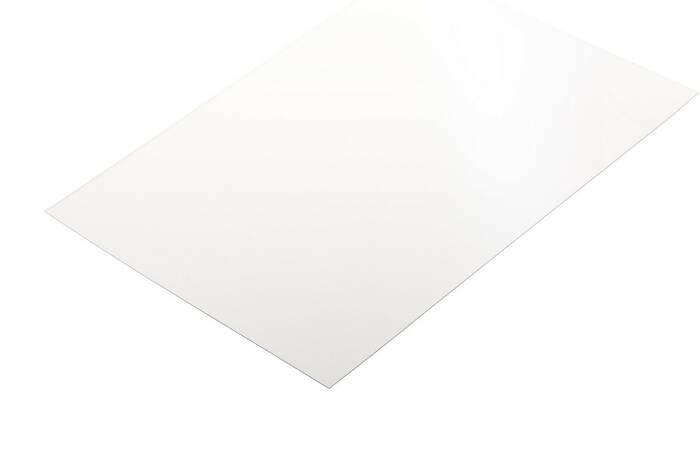
The first choice for stencils. PETG, also known as polyester film or under the brand name Vivak, is a transparent and flexible film. It comes with protective film on the top and bottom.
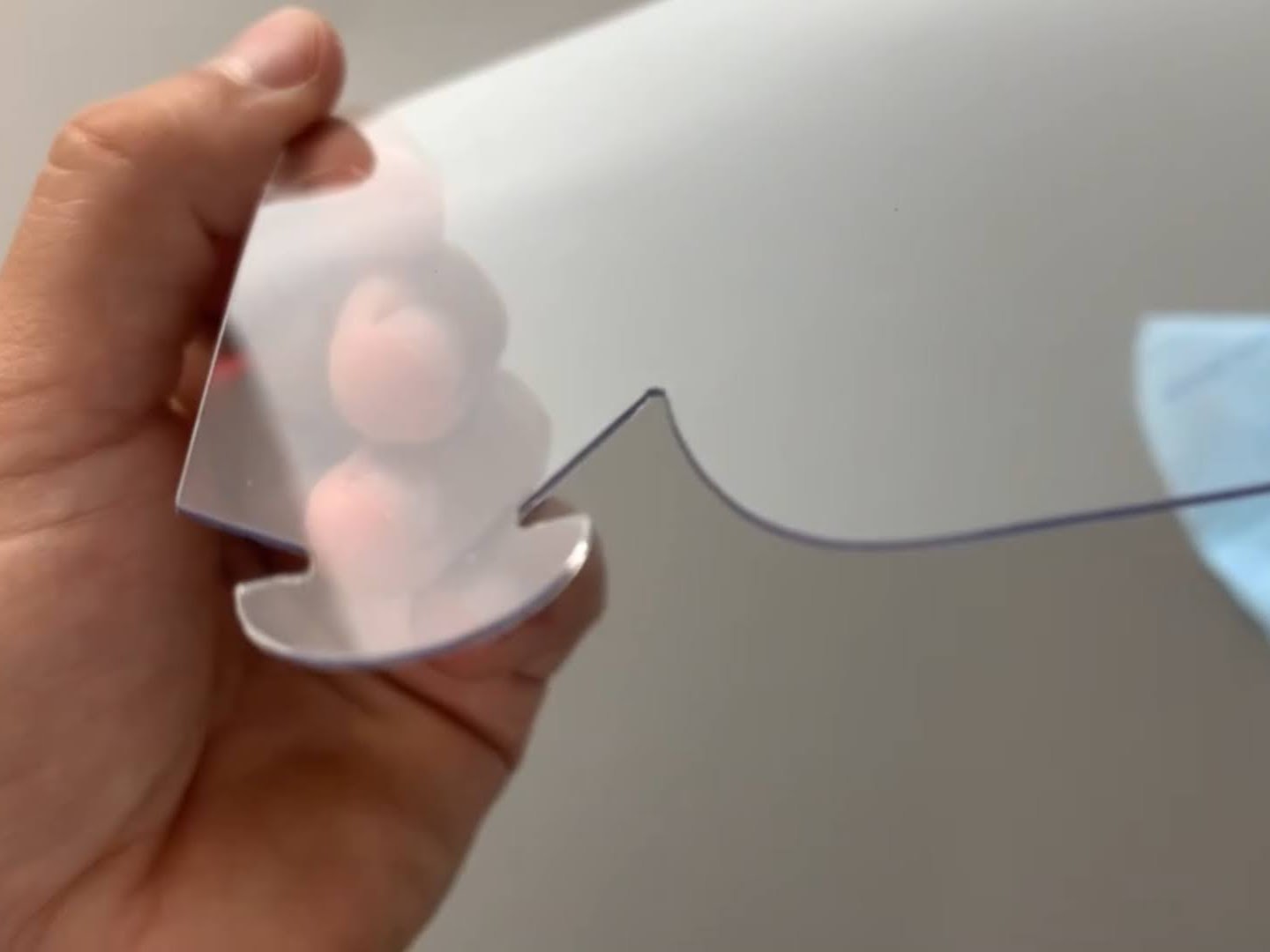
Polyester film is flexible and slightly bendable, making it less prone to breaking than rigid materials. This also allows you to bend it along with the surface, ideal for spray masks.
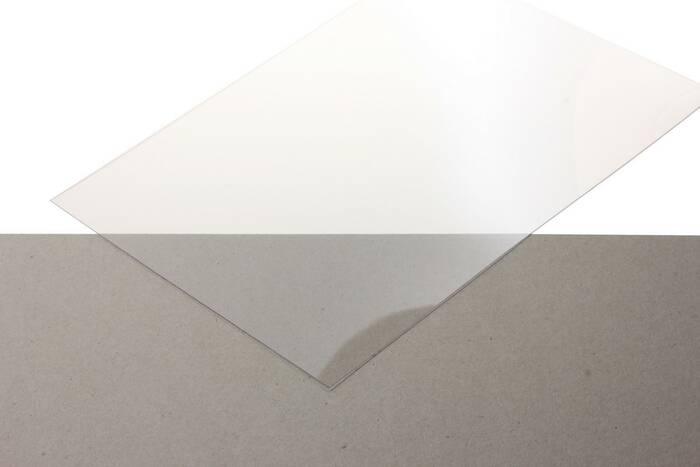
PETG is transparent, which helps you position your spray mask precisely. Do you want to use the spray mask more often? Then leave the protective film on initially. Your spray mask won't be transparent then, but you can remove the film later if you find too much paint residue. This way, you can continue with a clean spray mask.
- Flexible and doesn't break easily
- Bendable for curved surfaces
- Transparent, precise positioning
- Protective film extends lifespan
Features
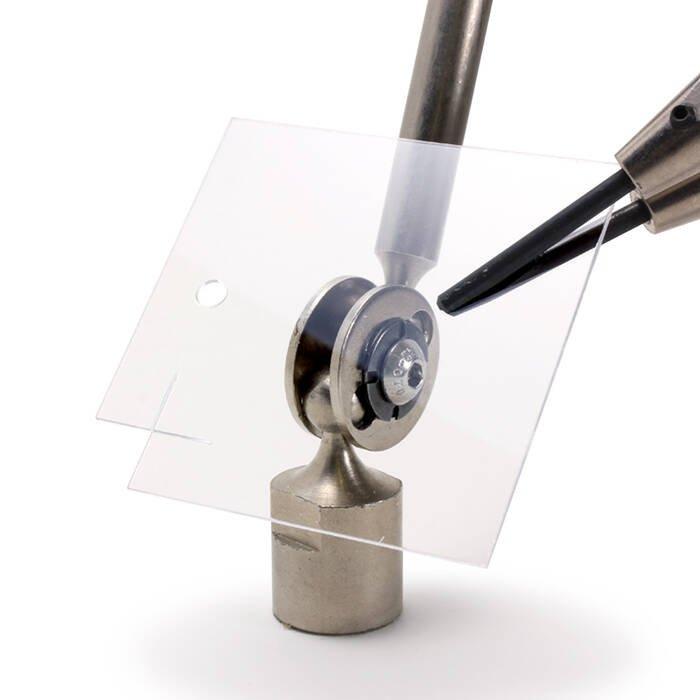
Polyester can be bent at sharp angles without breaking and resembles metals in that property. Transparency is good, but optically it is less perfect than acrylic. The laser cut shows a melt edge of about 0.1 mm, making this material especially suitable for large shapes. Polyester is relatively soft so it can be trimmed with a Stanley knife.
Applications
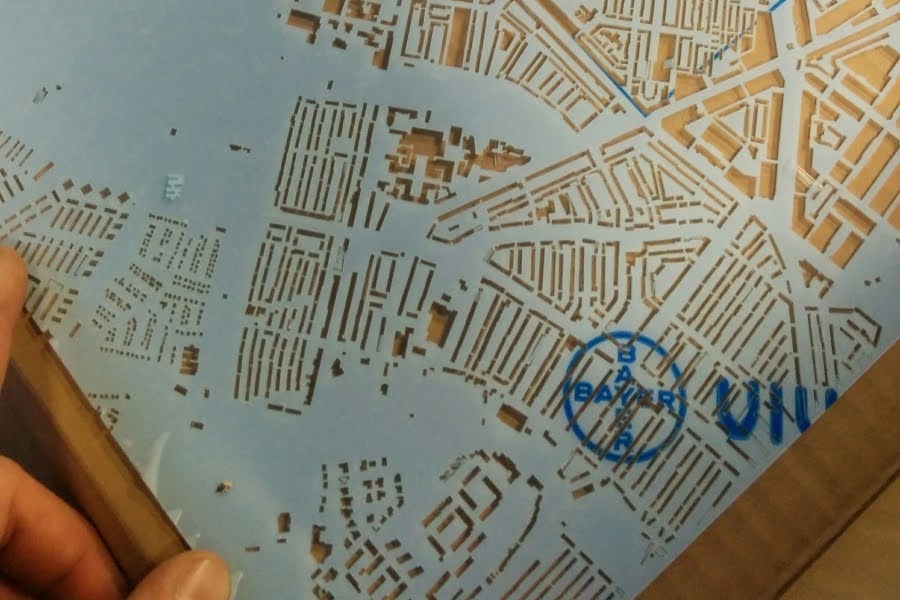
Because it can be folded, polyester can be used well for origami-like applications and for prototyping folding parts. Thin polyester (0.8 and 0.5mm) is also great for making paint stencils. It does not absorb paint, is easy to clean and is also transparent. In model making it is also used as a cheaper alternative to acrylic, although for detail work acrylic is superior.
2. Corrugated Cardboard
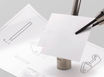
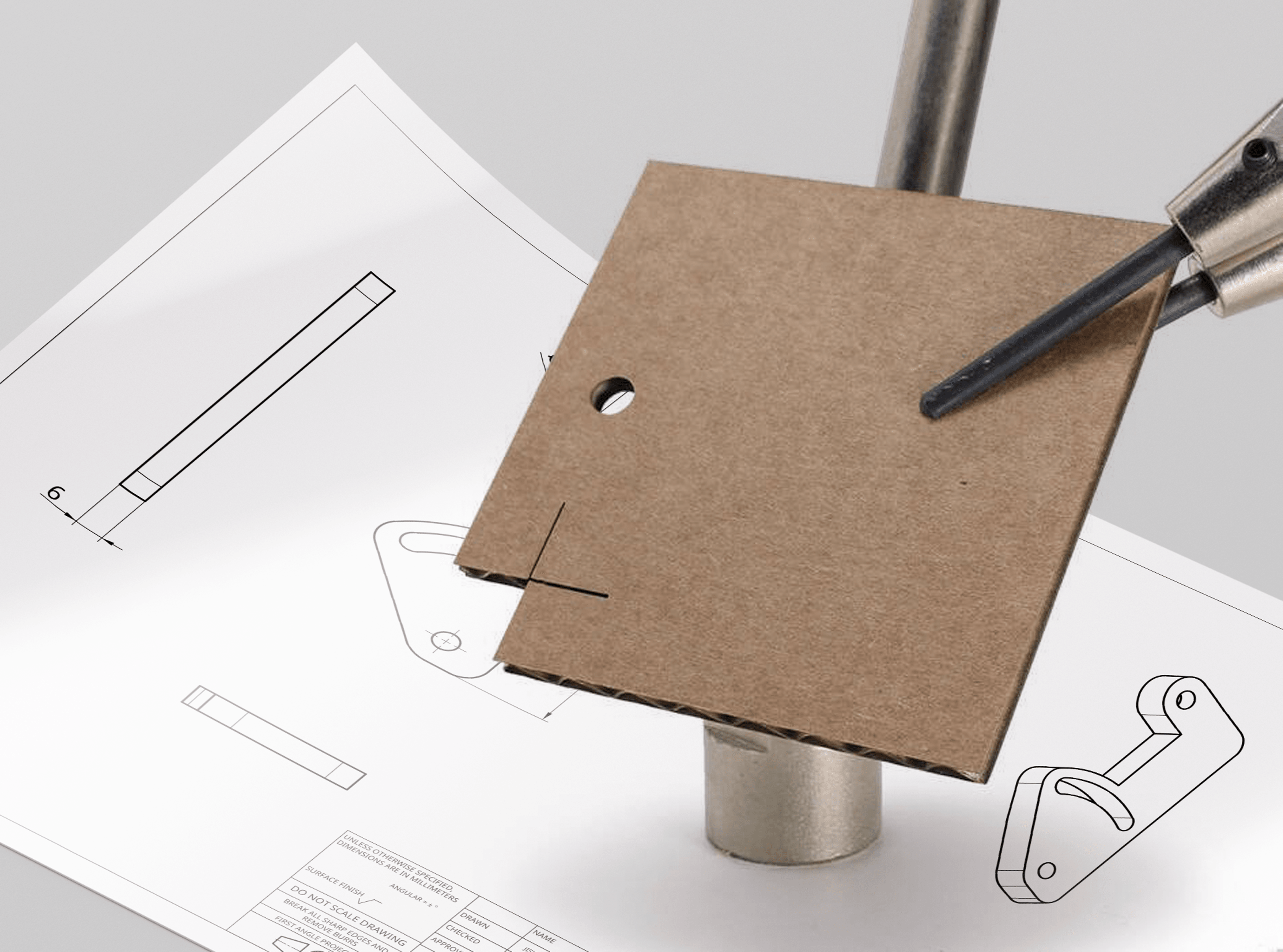
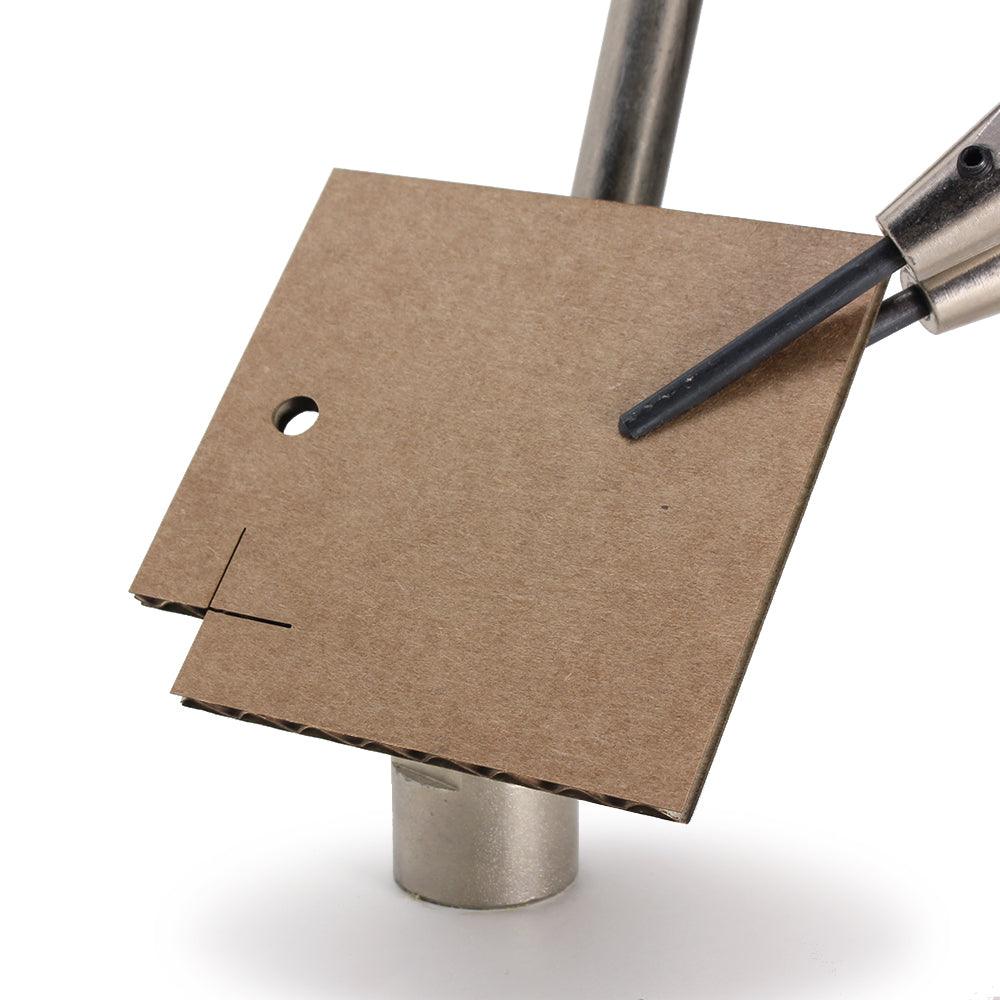
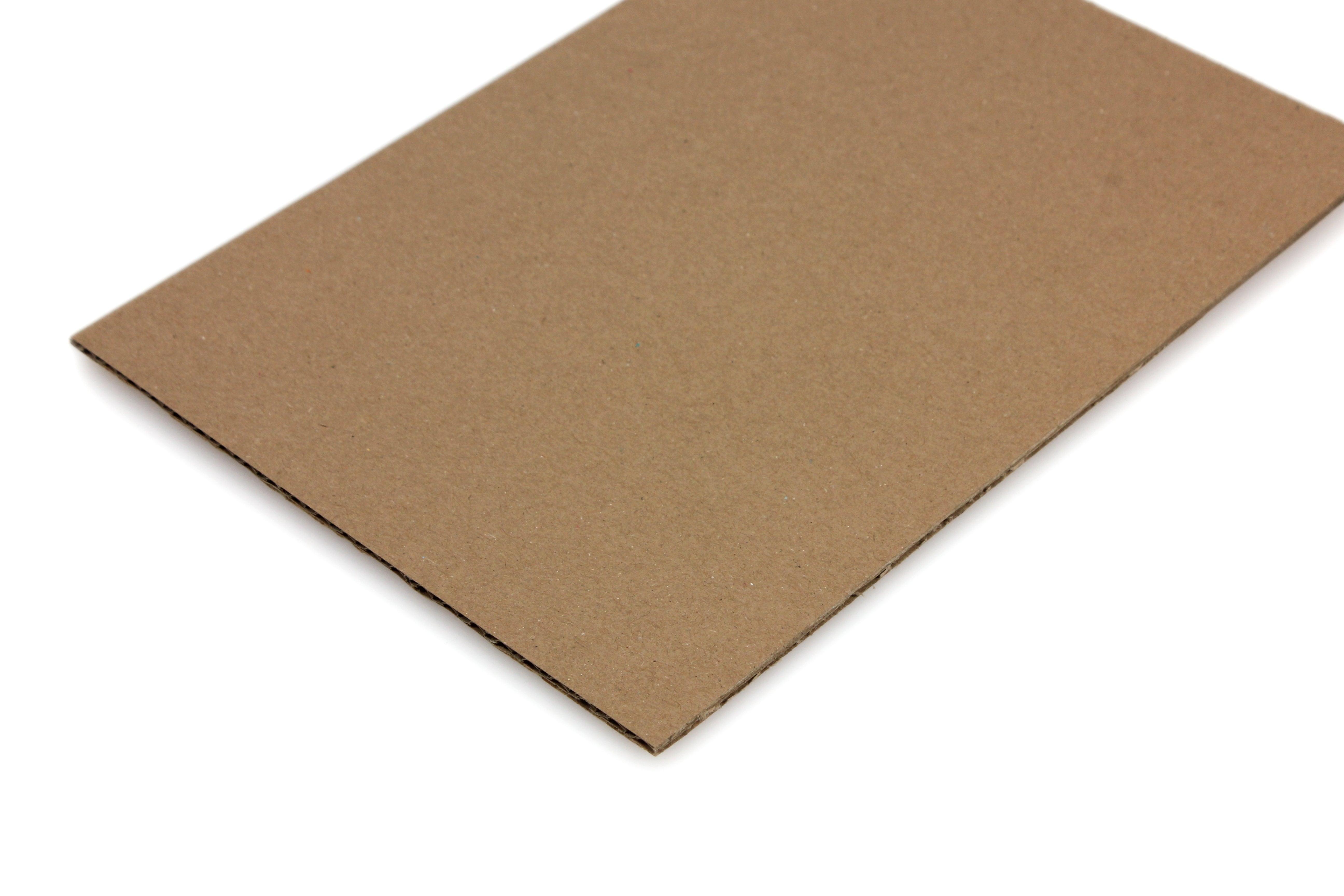
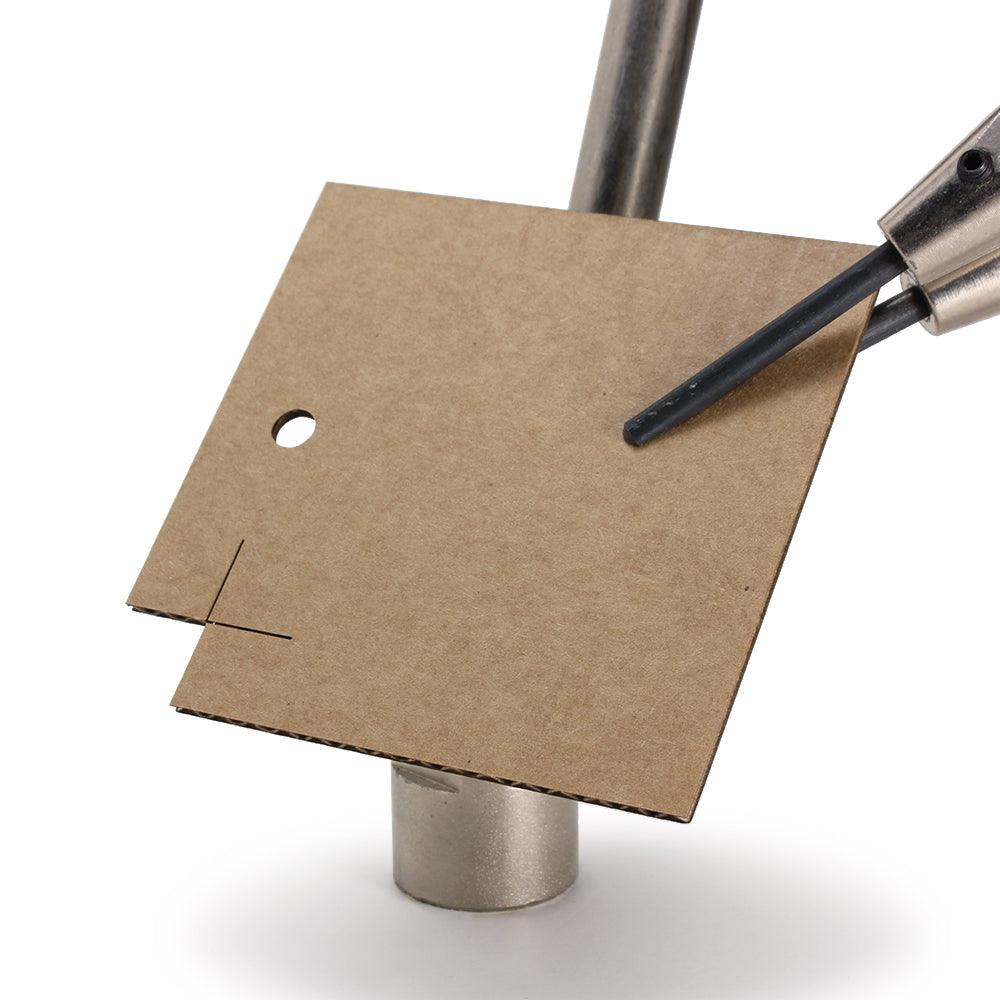
Corrugated cardboard is brown and available in 1.5 mm and 3 mm. Corrugated cardboard is affordable, lightweight, and strong. For making stencils that need to be used a few times, this material is a good choice due to its price.
- Affordable
- Lightweight
- Made from 80% recycled paper
Properties
Corrugated cardboard consists of a wavy middle layer, with a top and bottom layer of strong paper, the so-called liner. The size of the wave determines the thickness of the board. The material is stiff in the direction of the channels and a lot softer in the other direction. Brown corrugated boards are made of up to 80% recycled paper.
Applications
Corrugated cardboard is ideal for prototypes and shape studies of both small and large objects. By using the channels, interesting light applications can be made. Some examples of applications:
-packaging
-displays
-cardboard furniture
-art objects
-layered 3D sculptures
-section models
-advertising
3. Polypropylene (Polypropylene)
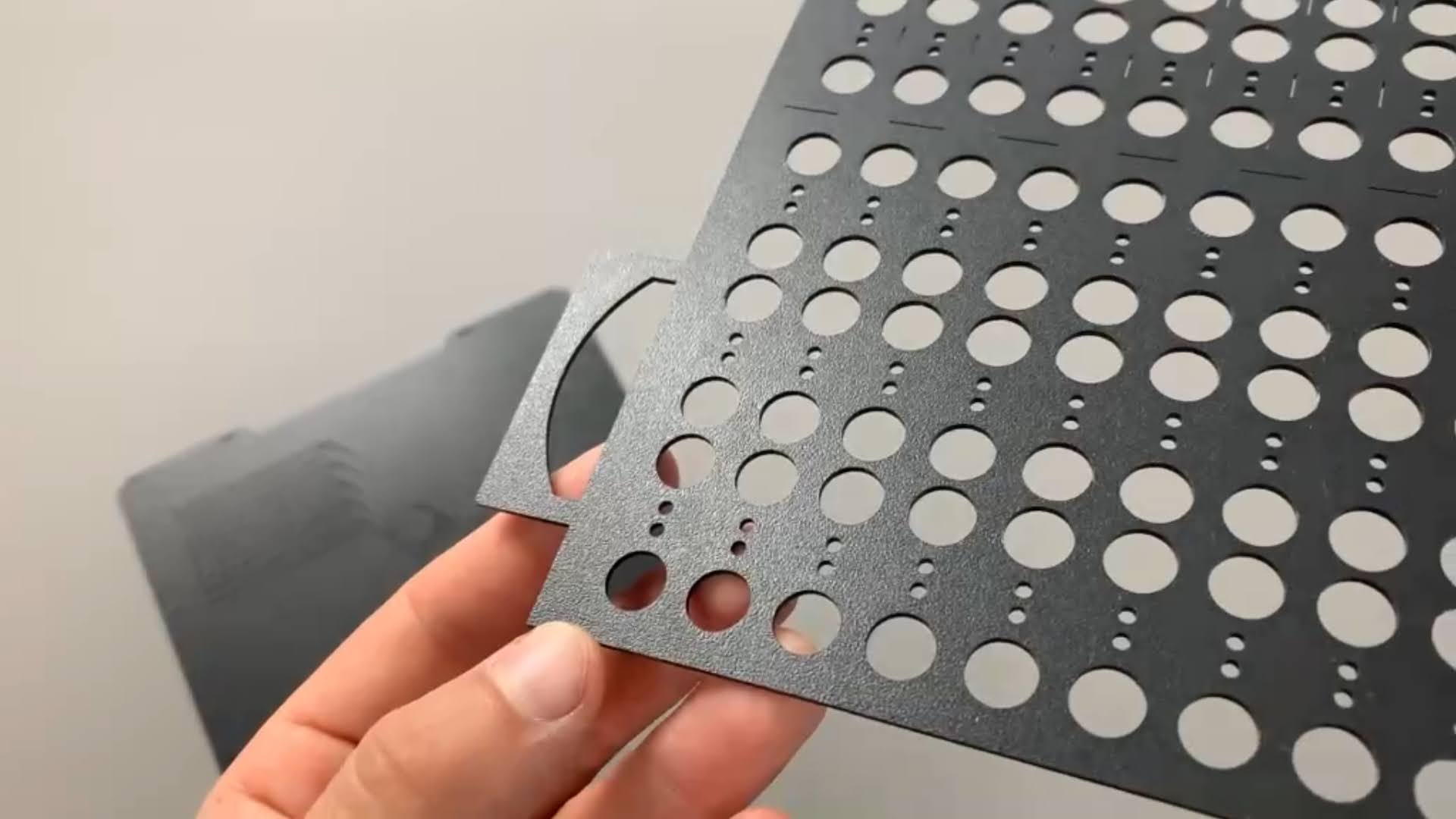
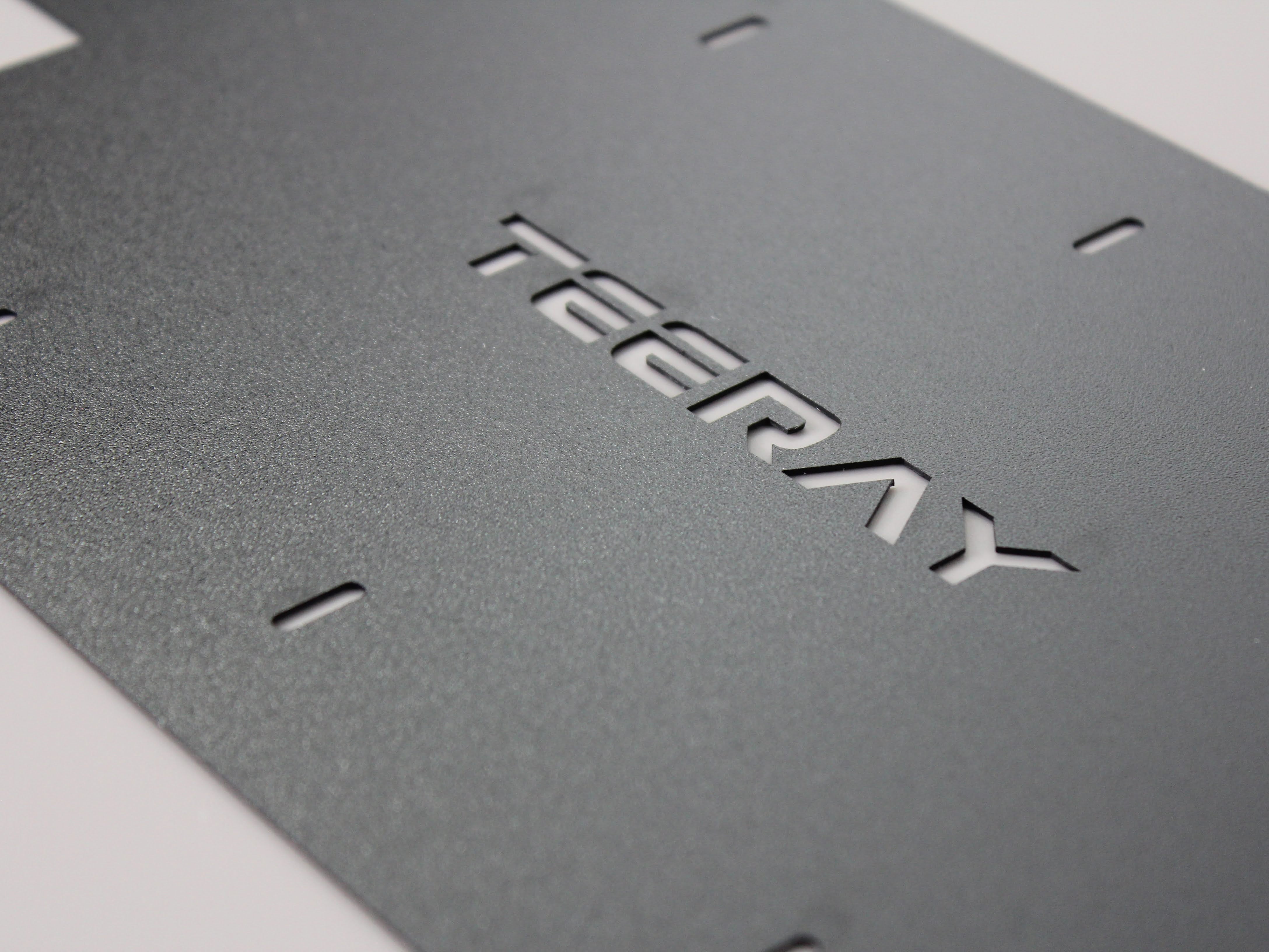
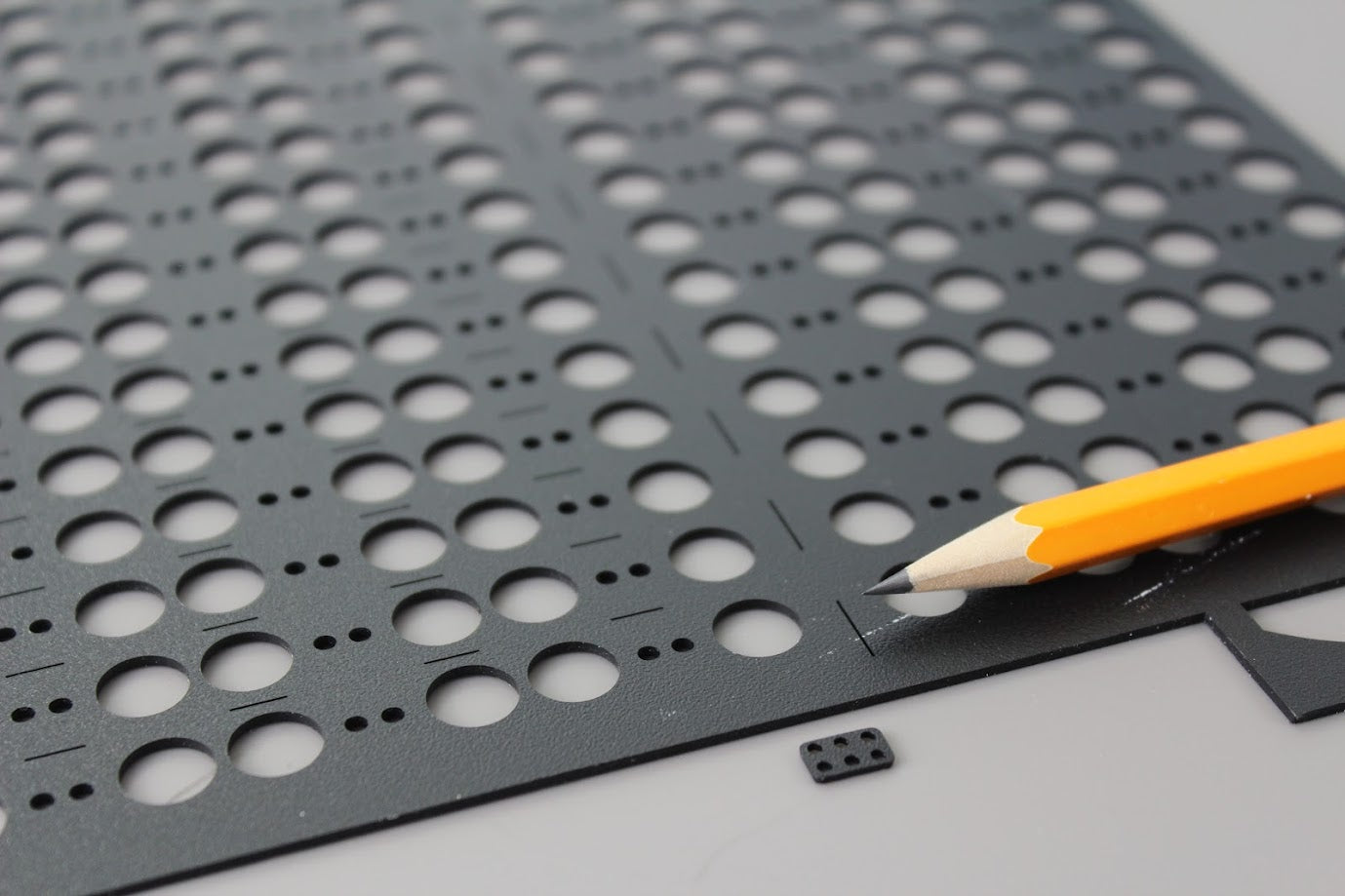
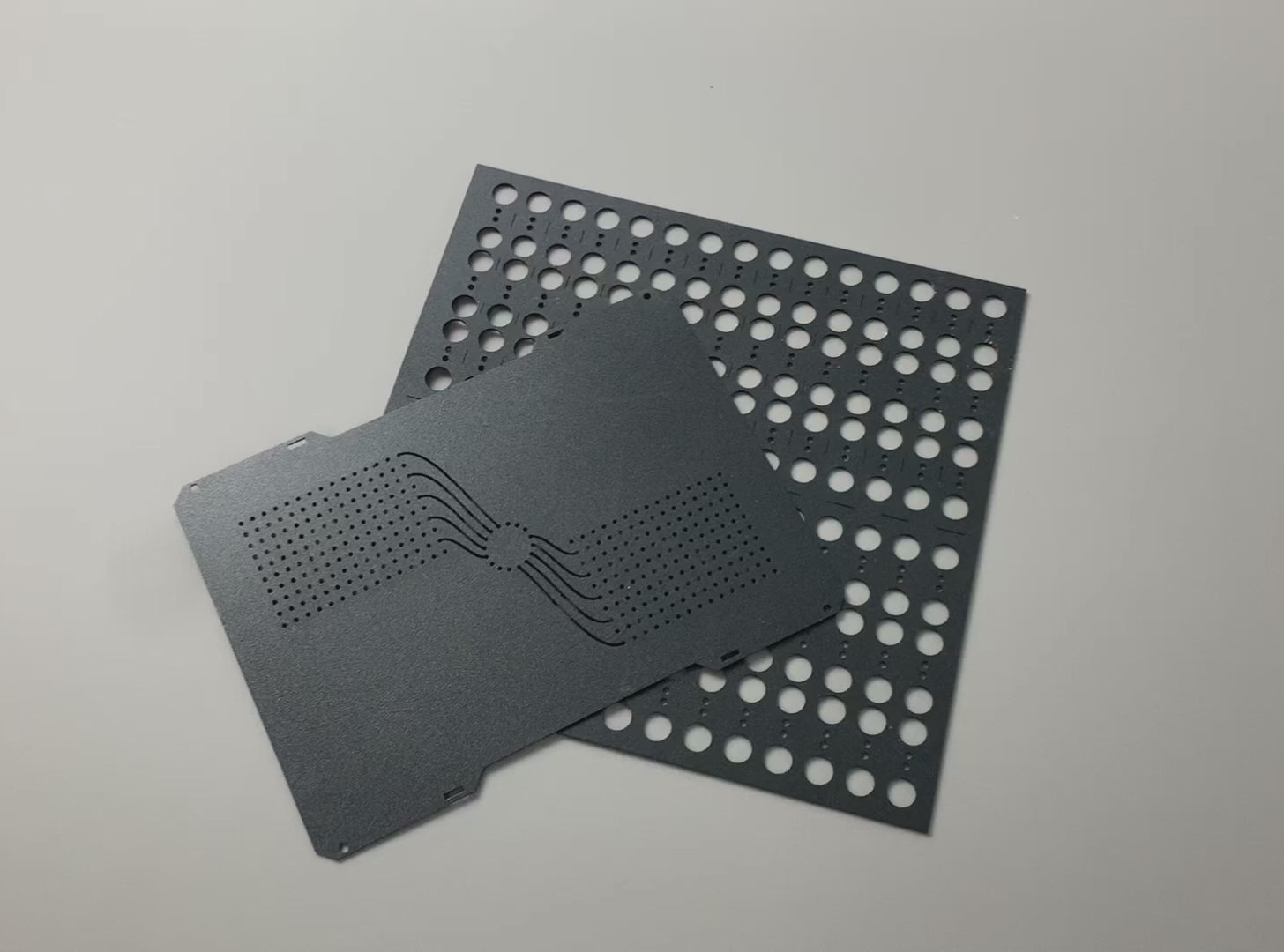
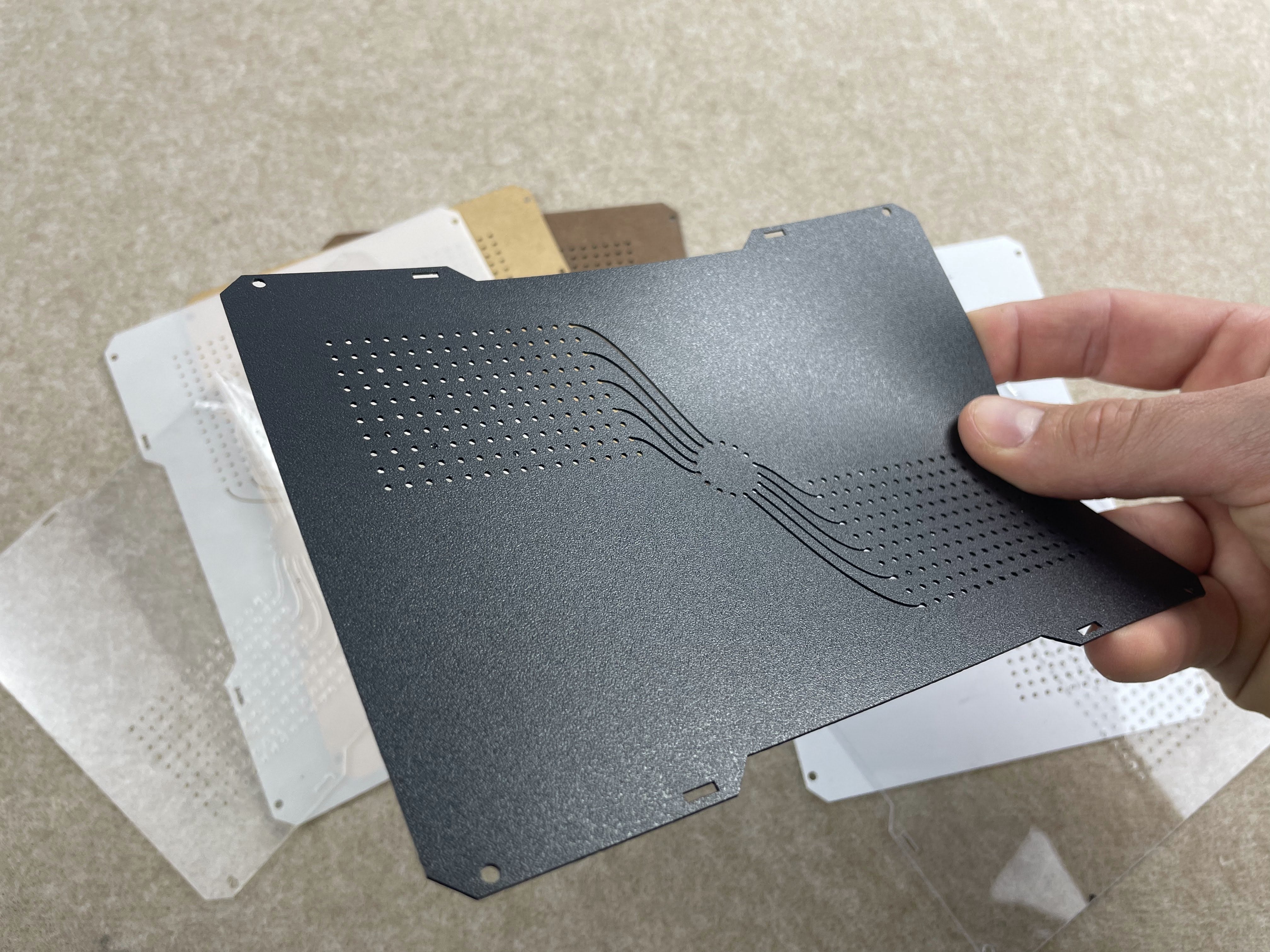
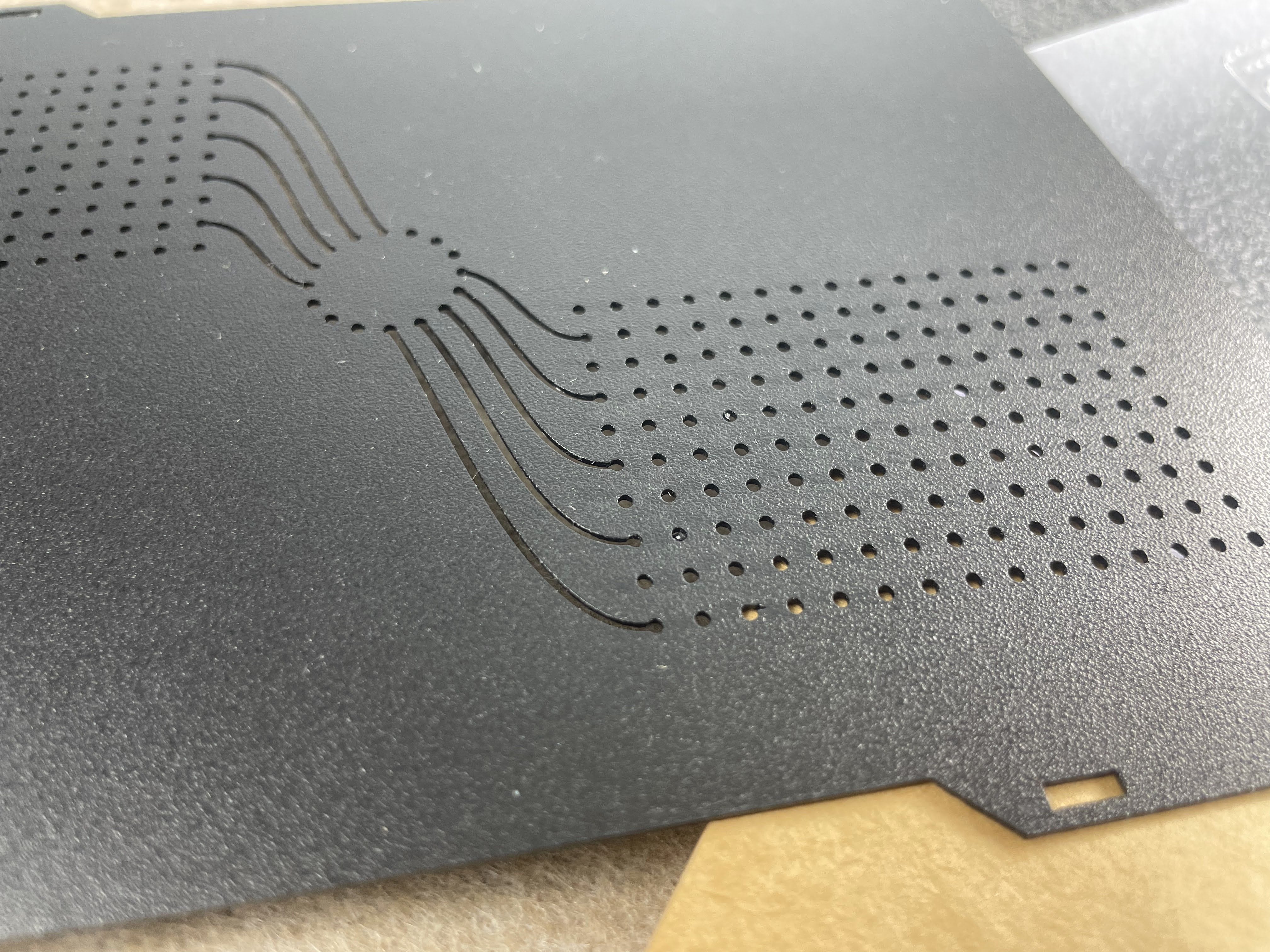
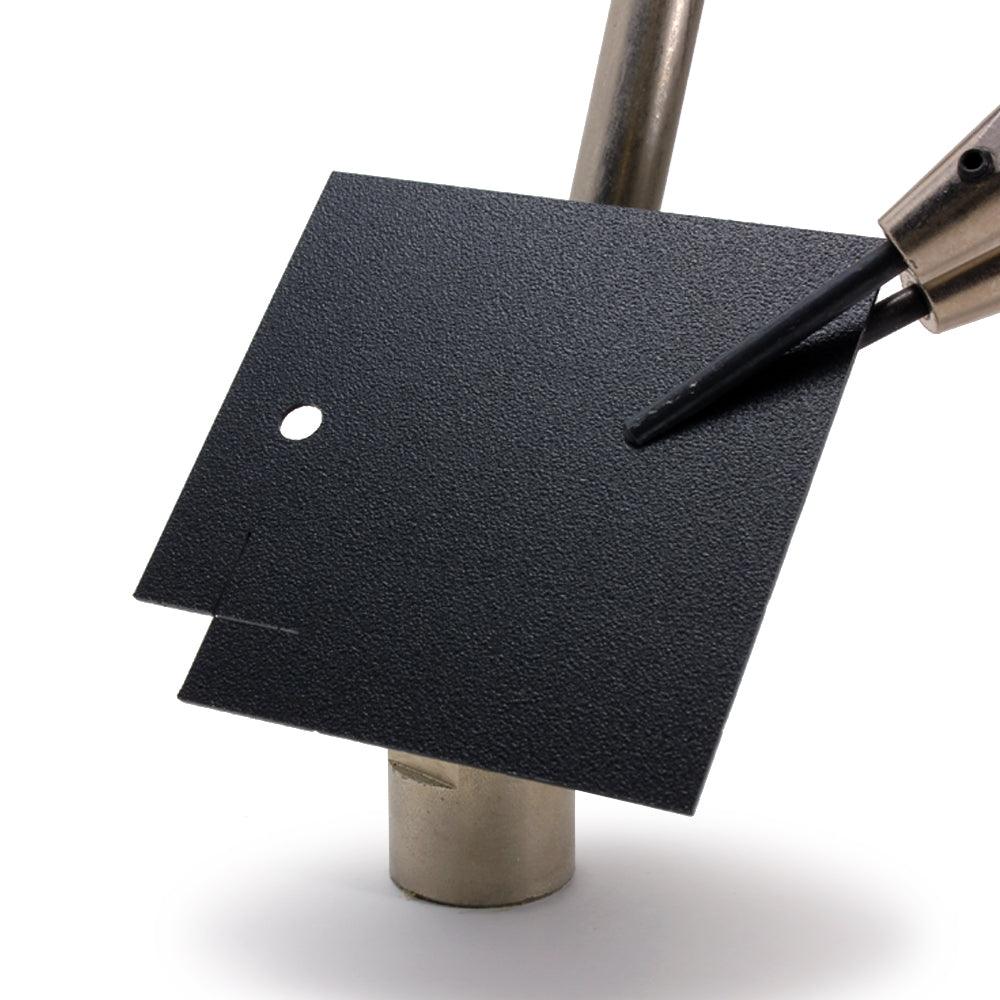
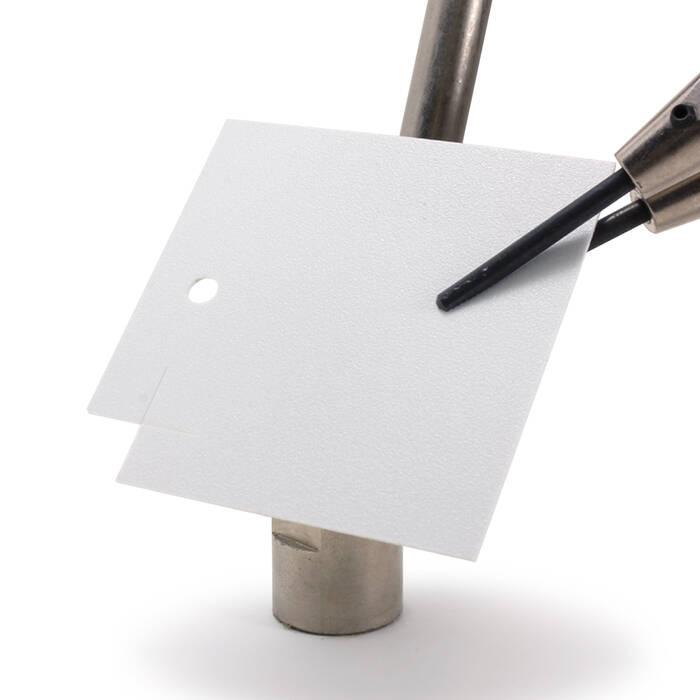
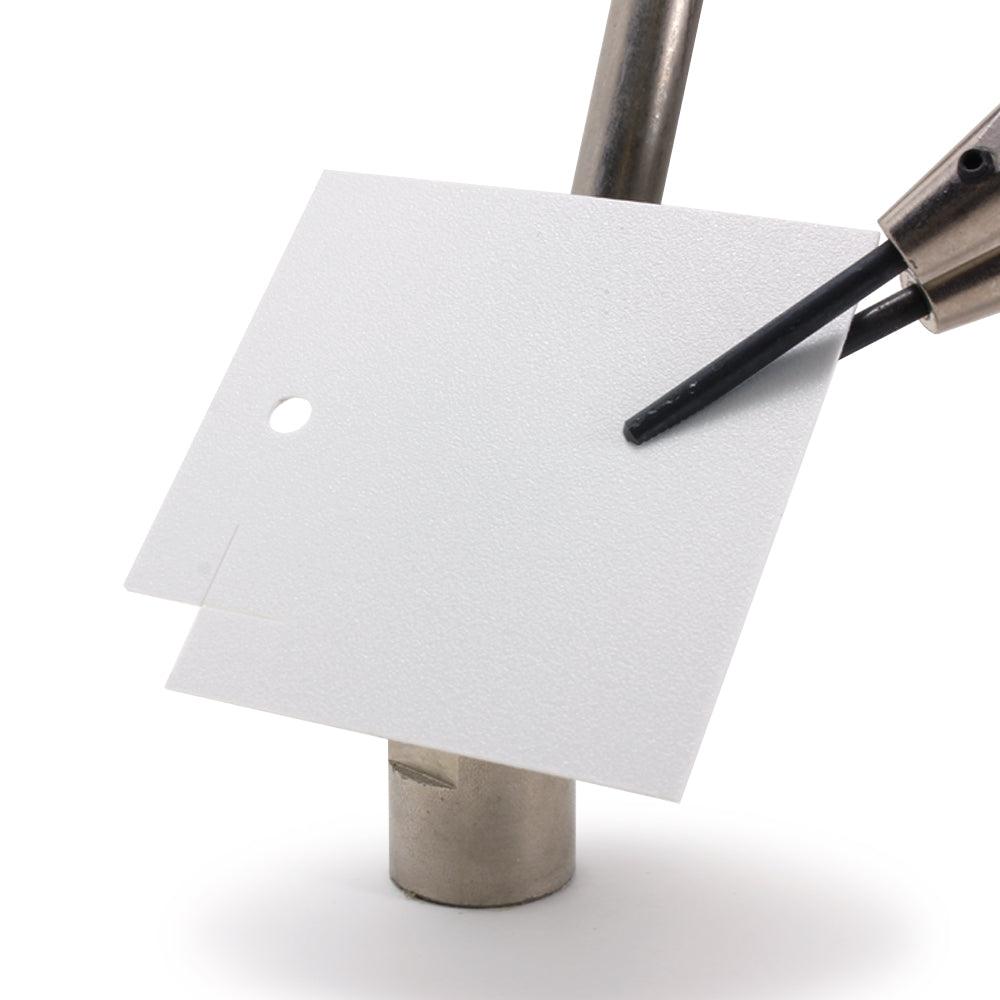
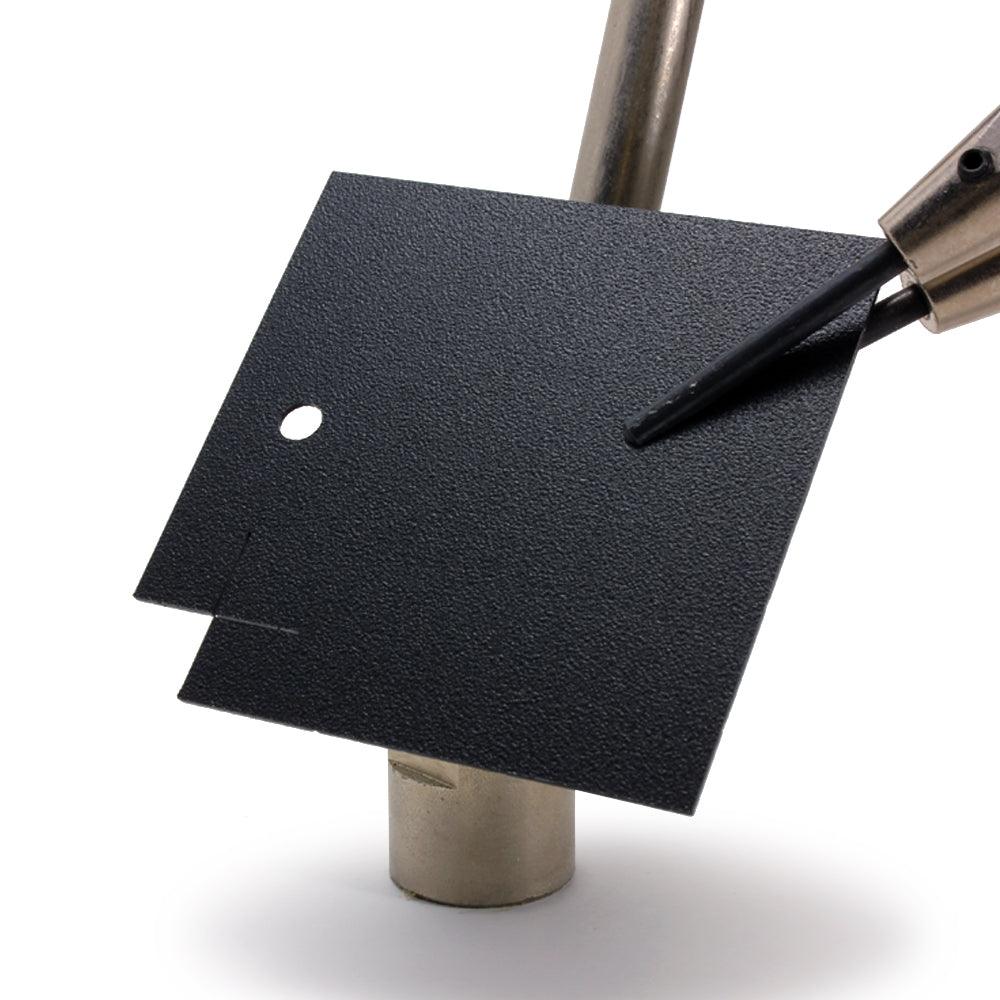
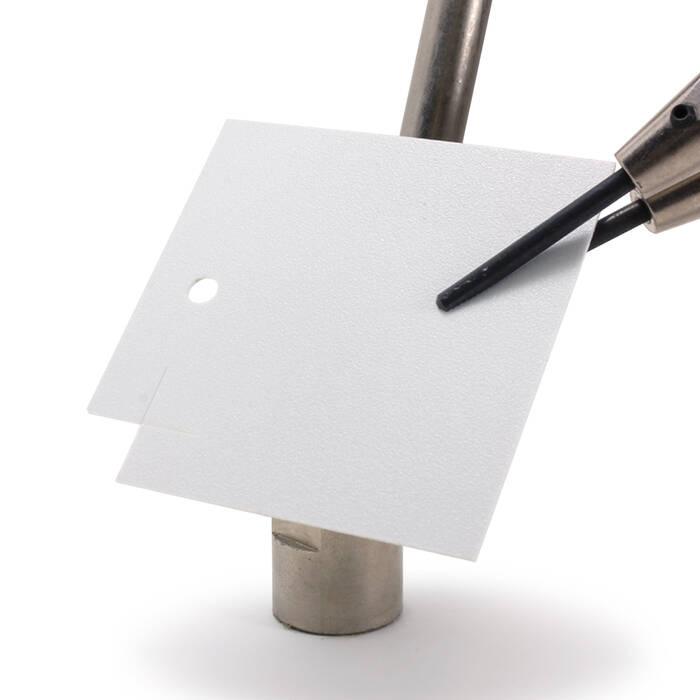
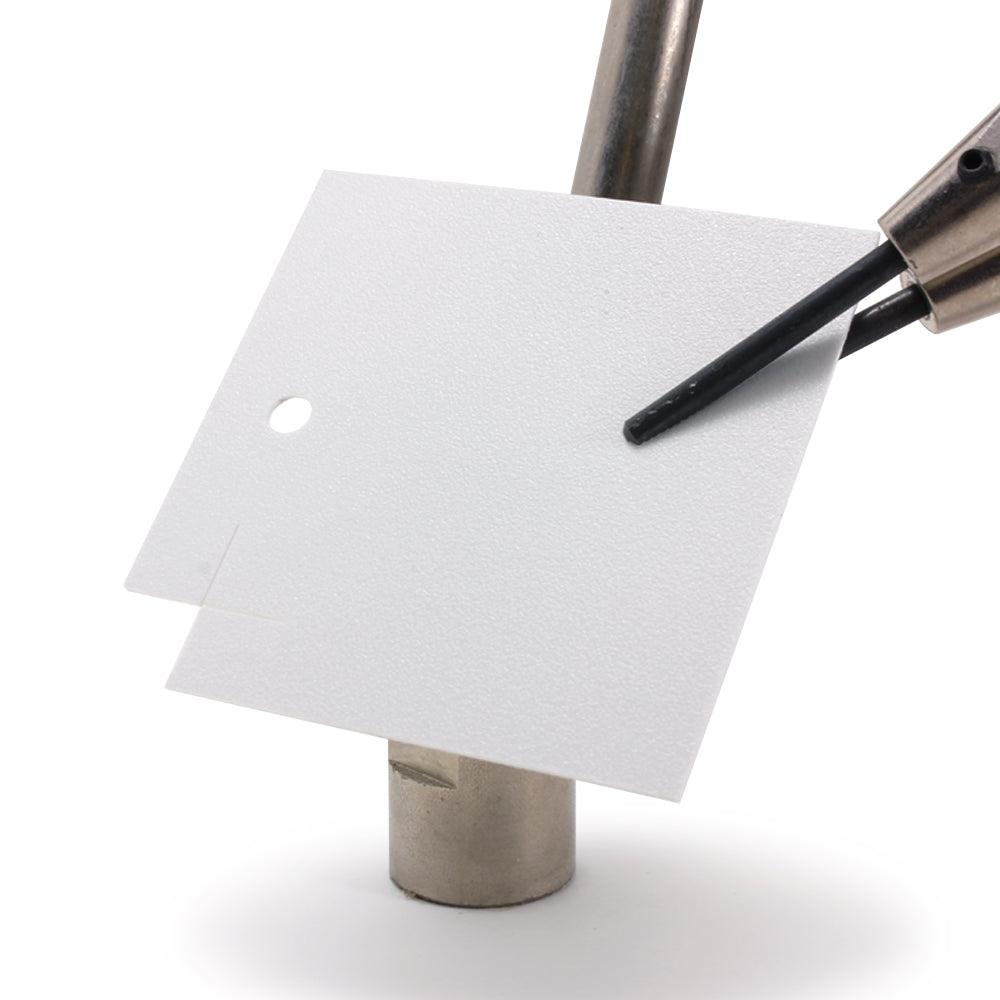
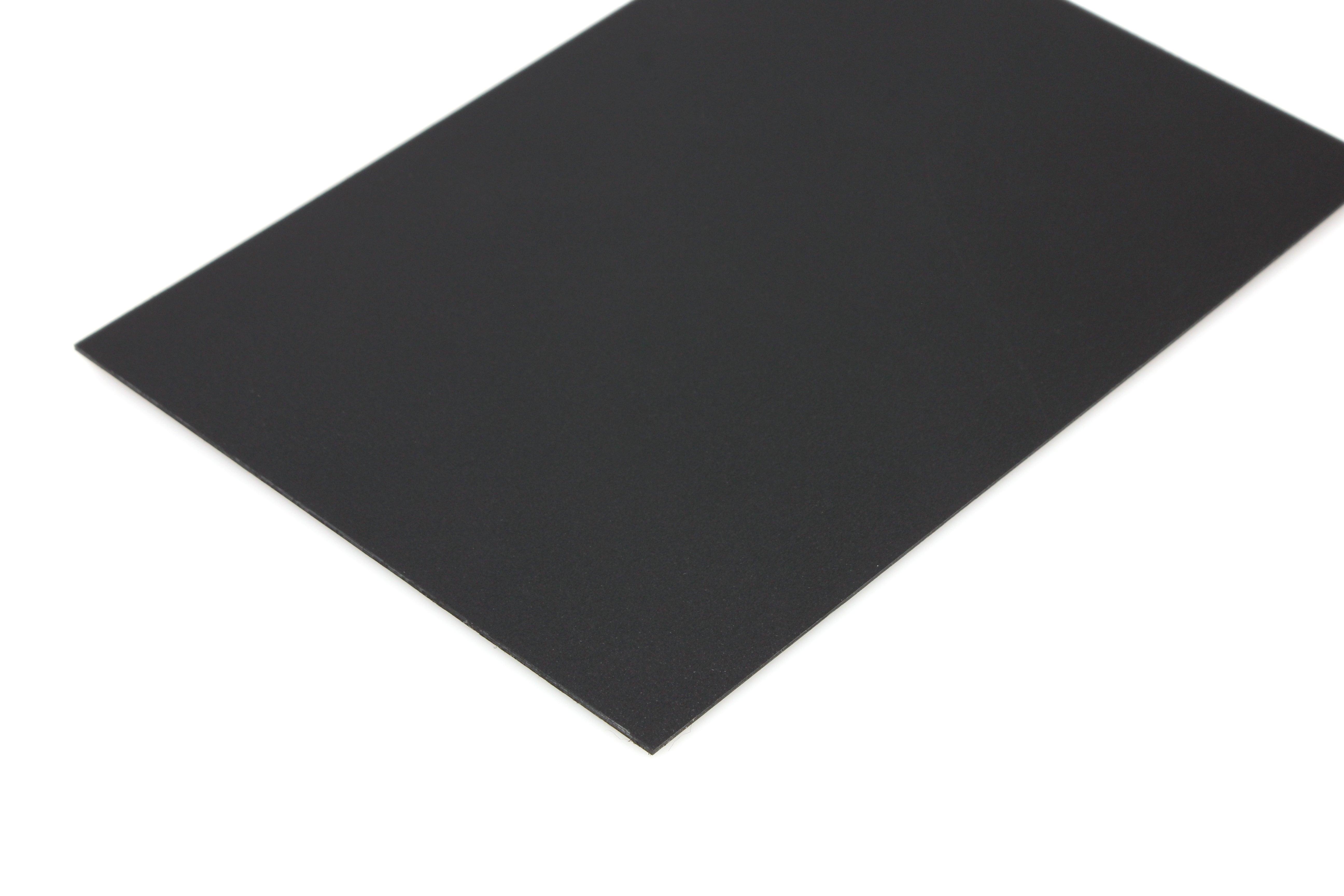
Polypropylene, often abbreviated as PP, is a strong film for applications that need to maintain their appearance for a long time. PP is used for stencils when they need to last long and the level of detail is not extremely high. Due to its thickness of 0.8 mm or 1.2 mm, details are less defined than with PETG, which is 0.6 mm thick.
Polypropylene is a film, so it is slightly bendable. It is break-resistant, and the texture on the top also makes it wear-resistant.
PP is not transparent and is supplied standard without protective film.
- Long-lasting
- Not transparent
- Not suitable for small details
Properties
The slightly textured surface has a pleasant feel and is scratch resistant. It folds well and does not break on a fold edge.
Applications
Polypropylene is used in consumer products such as file folders, (folding) boxes and lamps, but also has technical properties for in protective covers and other parts that need to be flexible and robust.
4. Laserboard
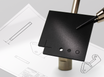
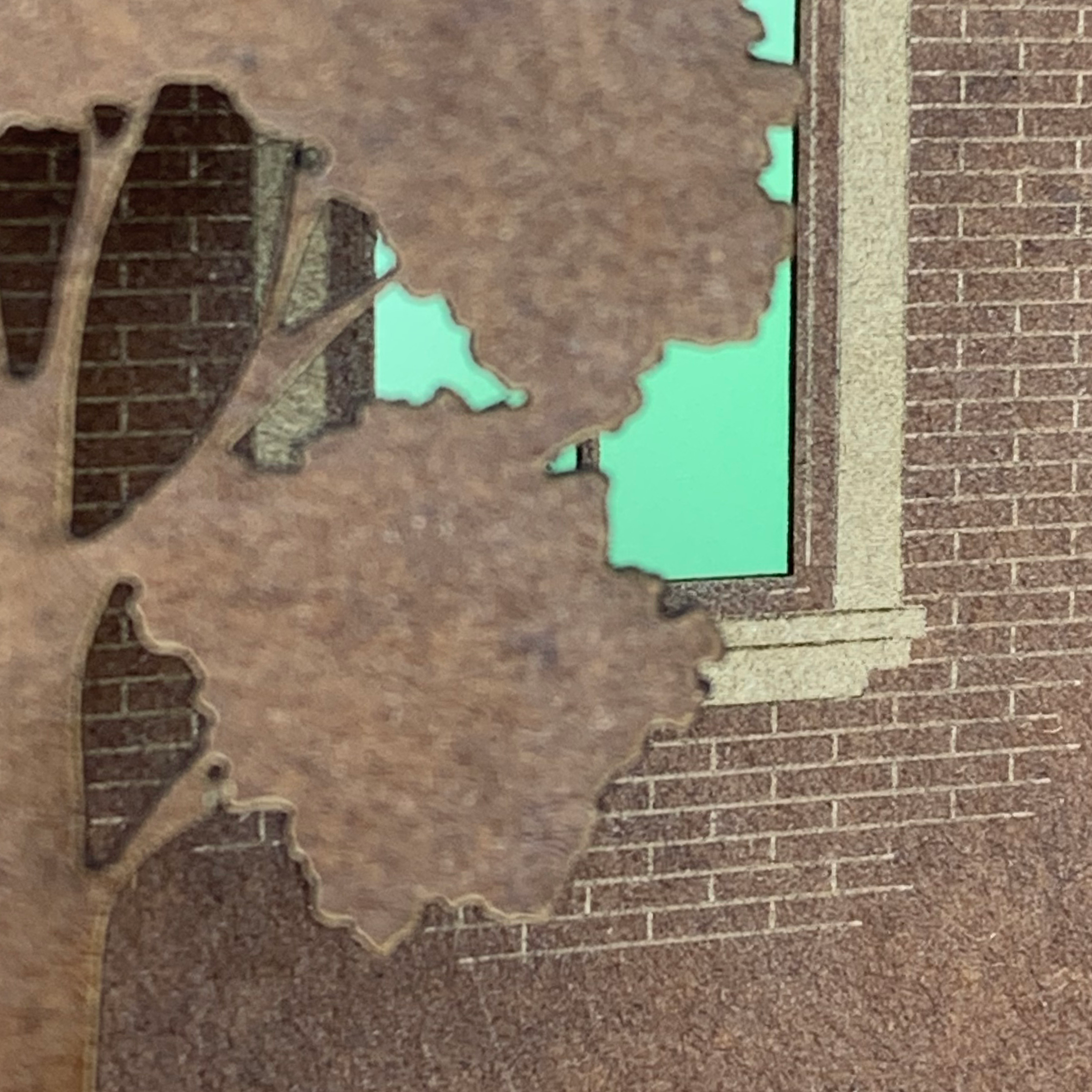
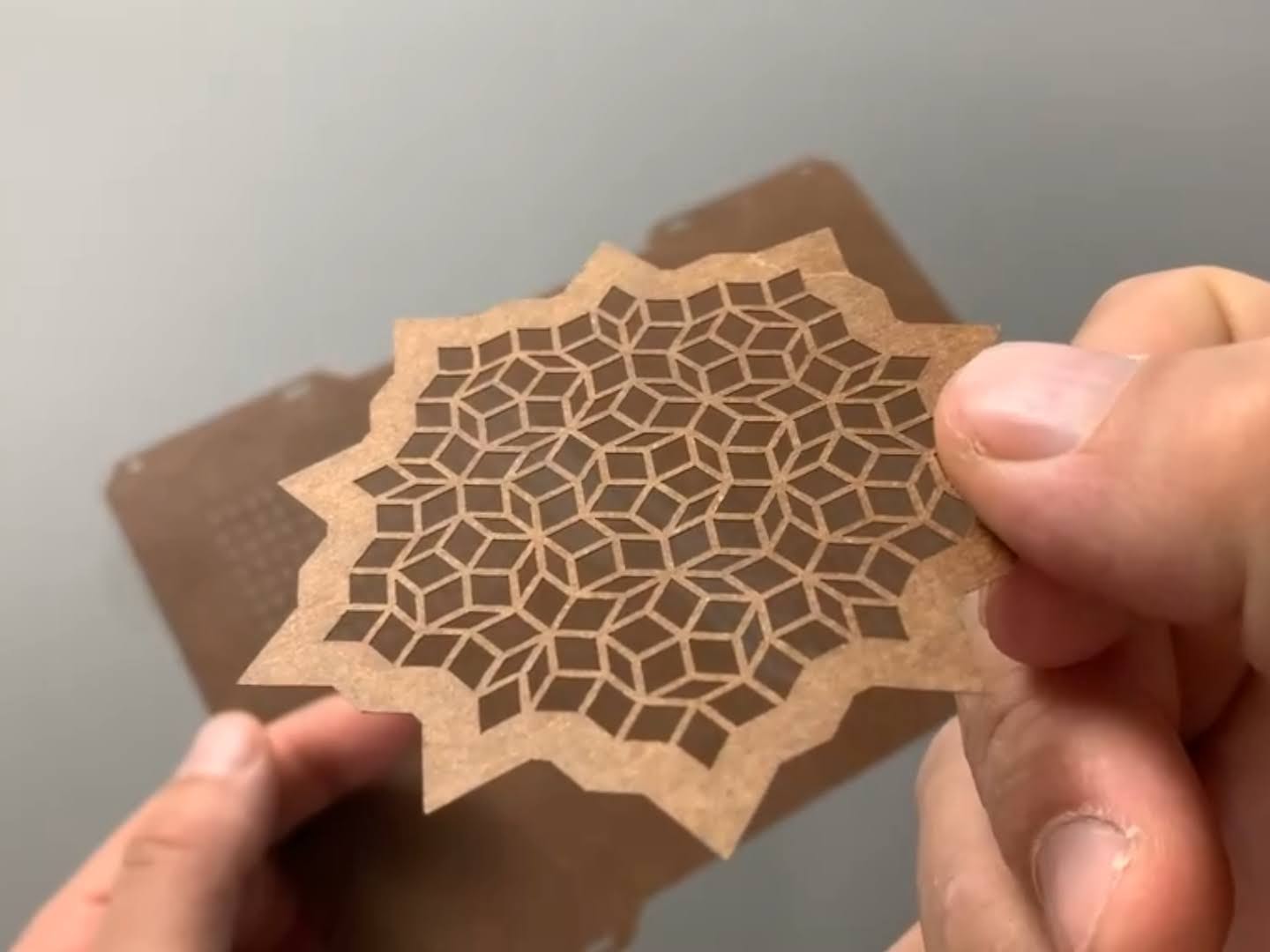
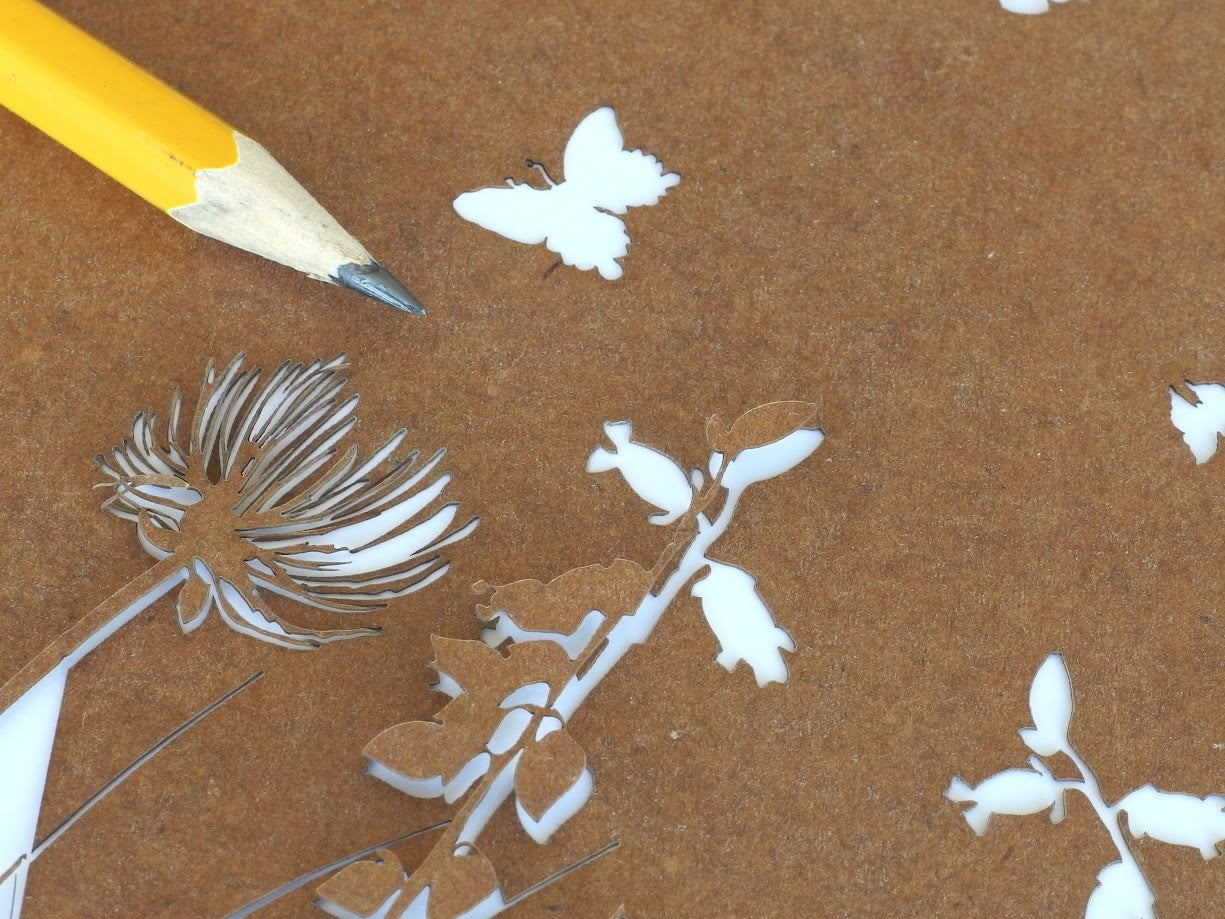
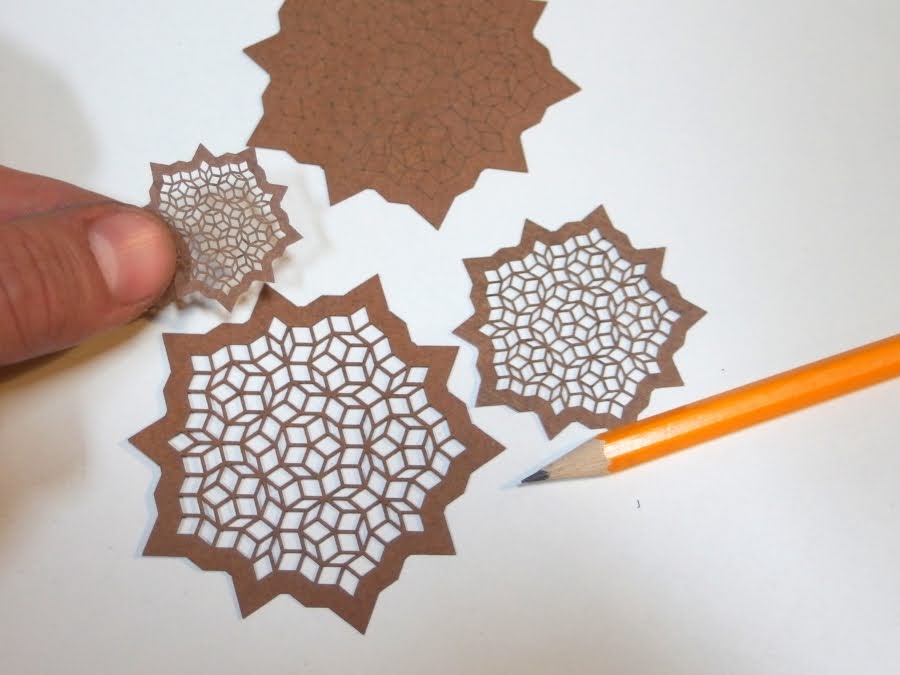
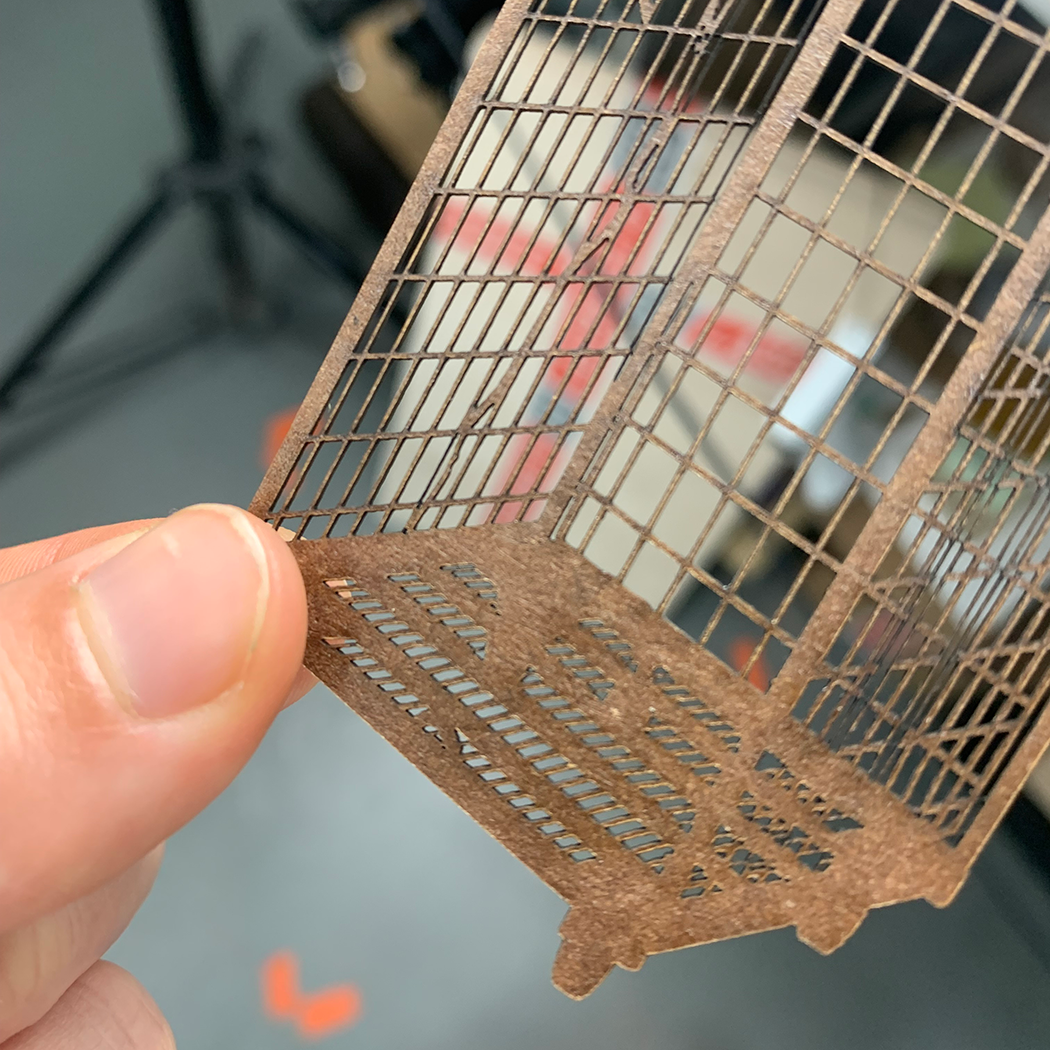
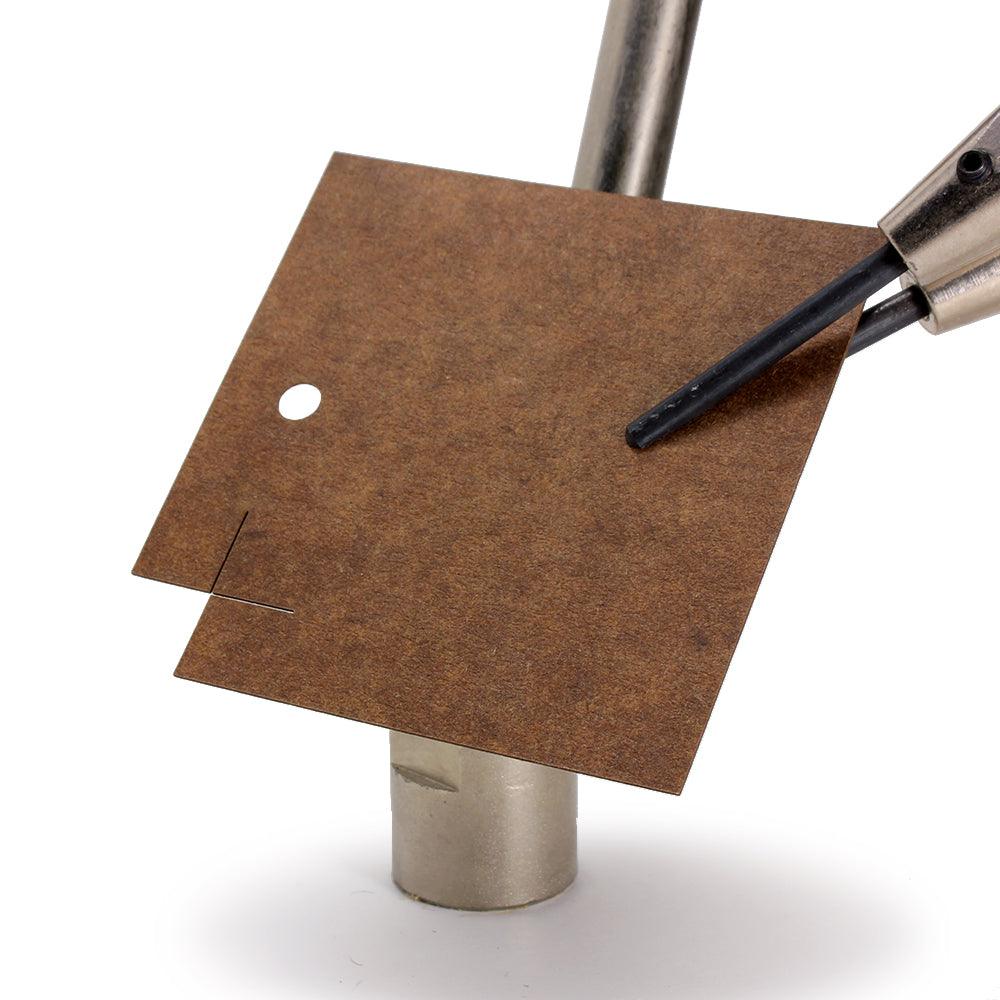
Laserboard is thin cardboard soaked in resin, making it strong and flexible. Thanks to the narrow laser cut and toughness, extremely small details can be created in this material. For stencils, laserboard is used when a high level of detail is required.
Processing with spray paint is possible with this material, but materials like pencil or fineliner are preferred.
- Highest level of detail
- Flexible
- Best suited for pencil
Features
The narrow laser cut and toughness allow extremely small details to be made in this material that are possible in few other materials.
Applications
Laserboard is used in model making and model making, particularly to create the smallest details in windows, fences and decorations.
5. MDF
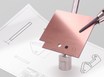
MDF is a pressed and glued wood fiber board. It is relatively heavy, but also rigid and strong. MDF is affordable, which is why the thinnest variant, 1 mm thick, is used for stencils.
Spray templates made of 1 mm MDF are suitable for flat surfaces; the material does not bend. Due to the weight of MDF sheets, these templates will not easily blow away when you place them on the ground. For large formats, it can be cumbersome to work with them vertically (e.g., against a wall).
1 mm MDF is relatively thick for a spray template, so it is not suitable for small details.
- Affordable
- Heavier than other stencil materials
- Not suitable for small details
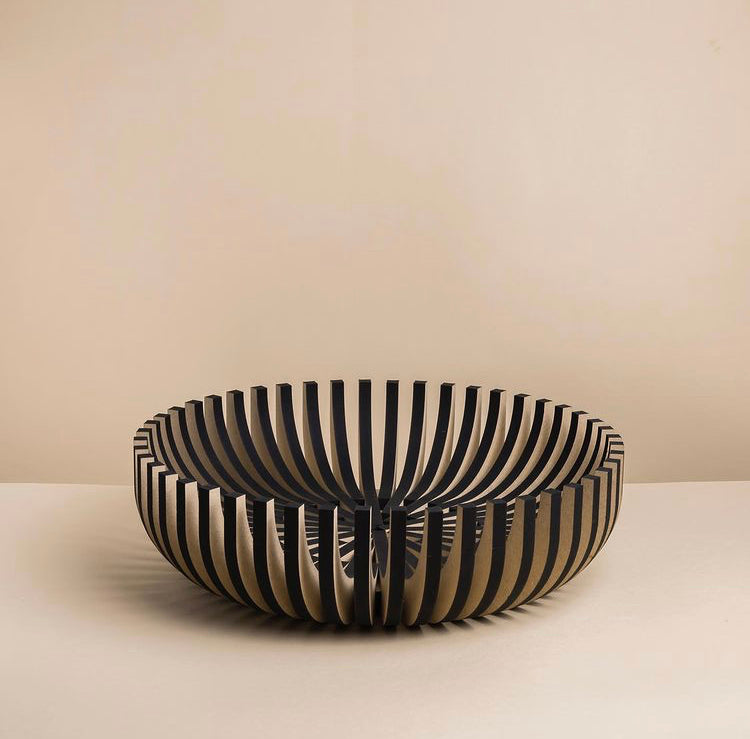
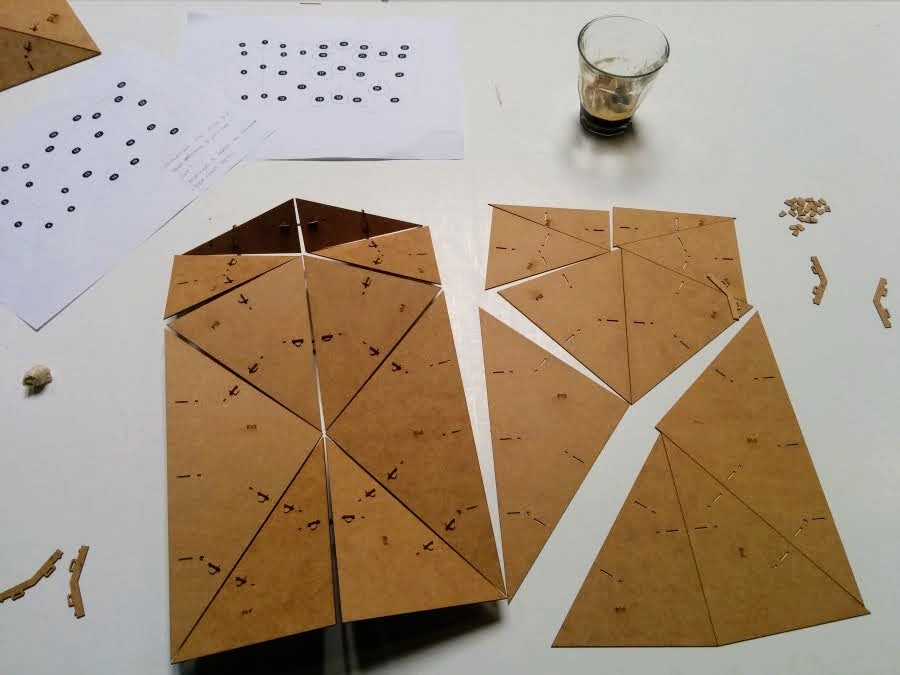
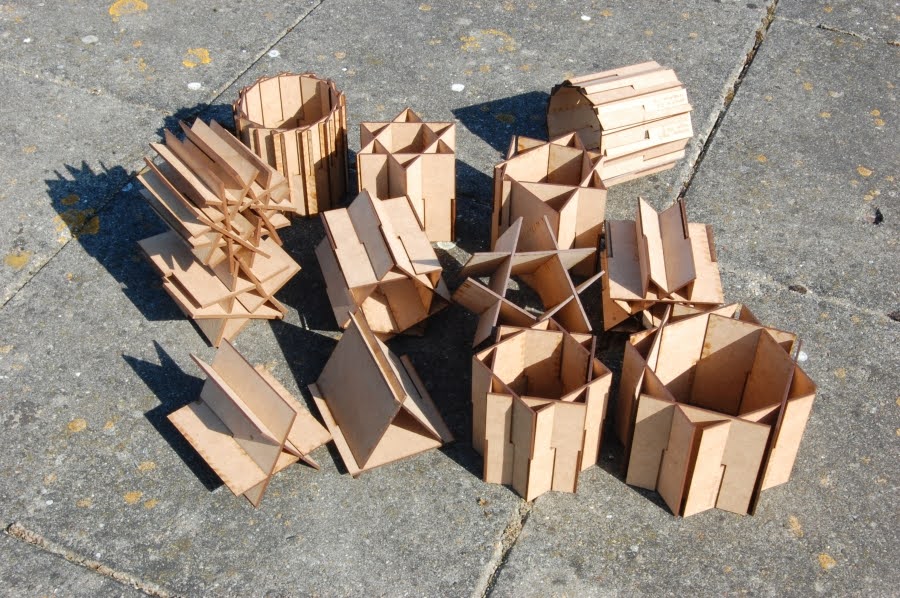
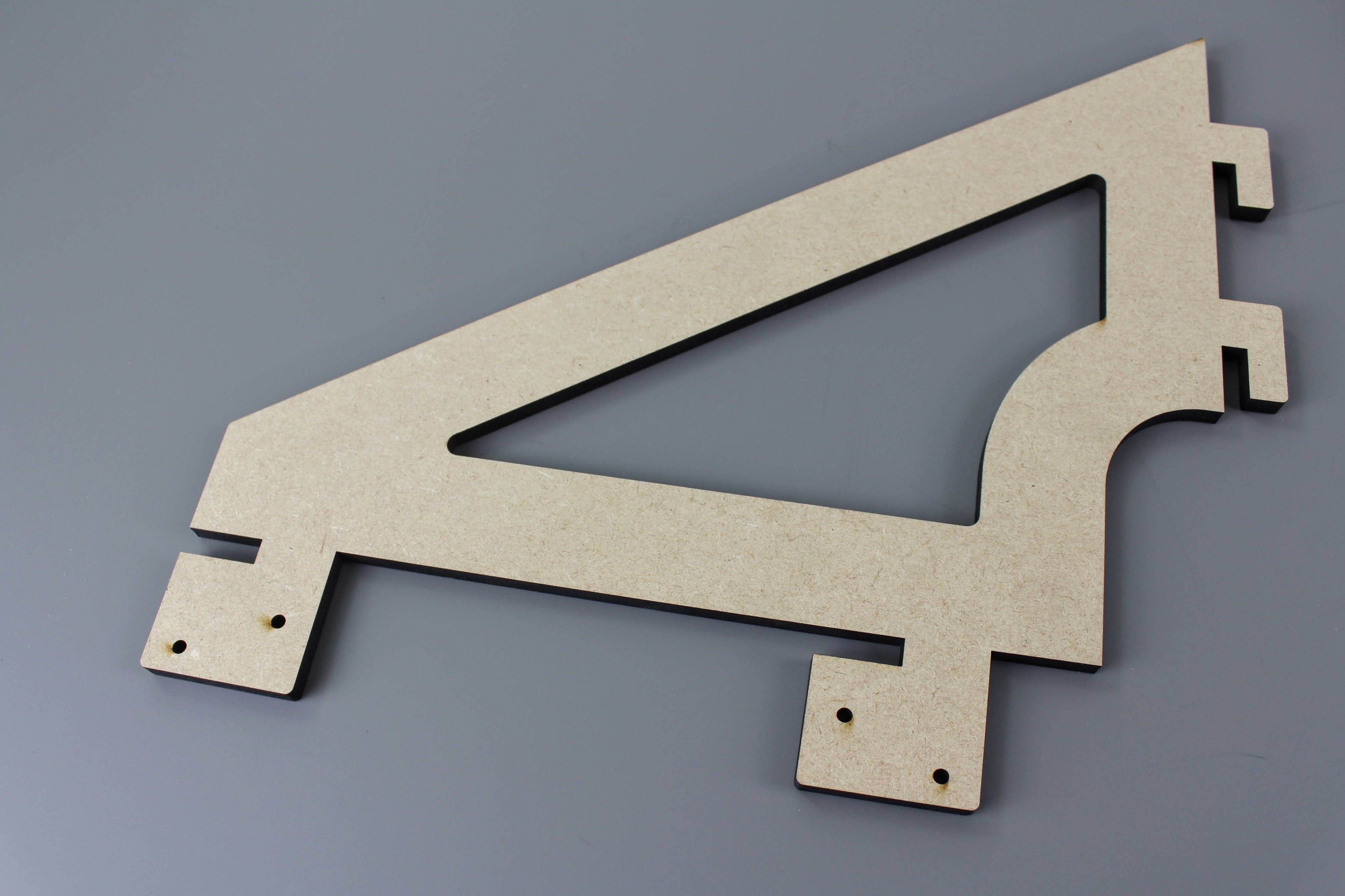
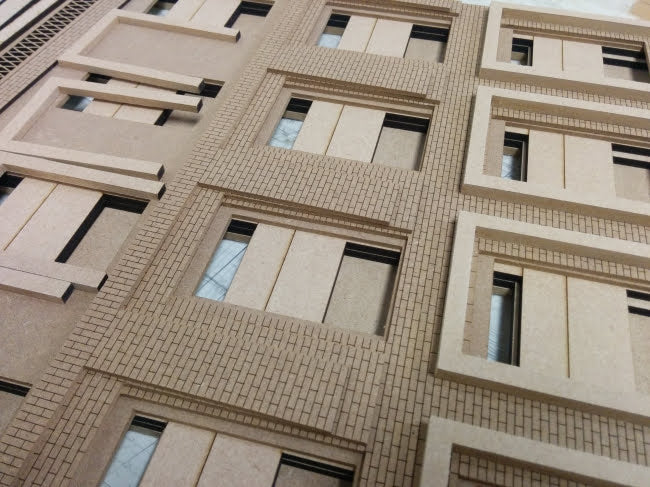
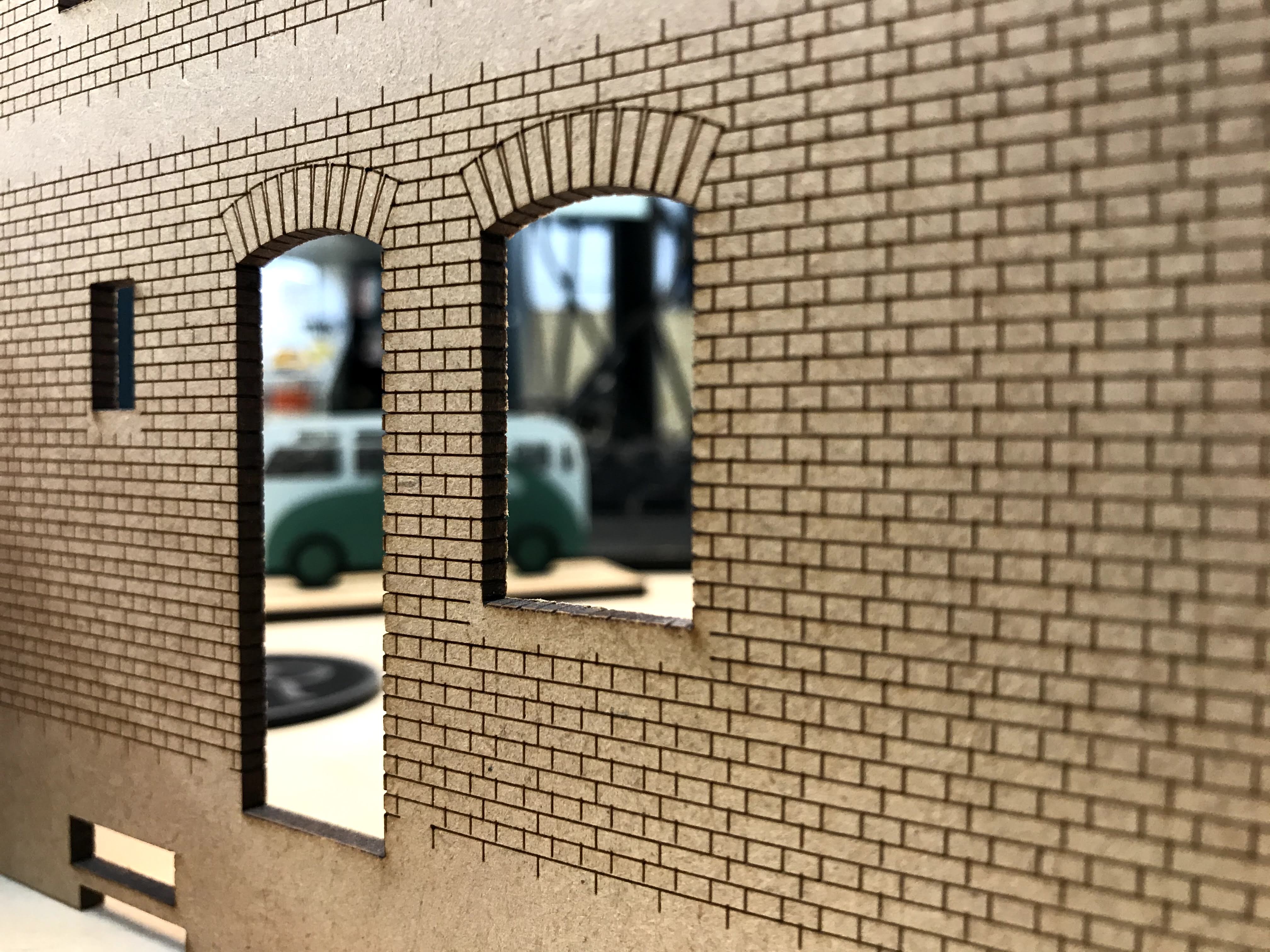
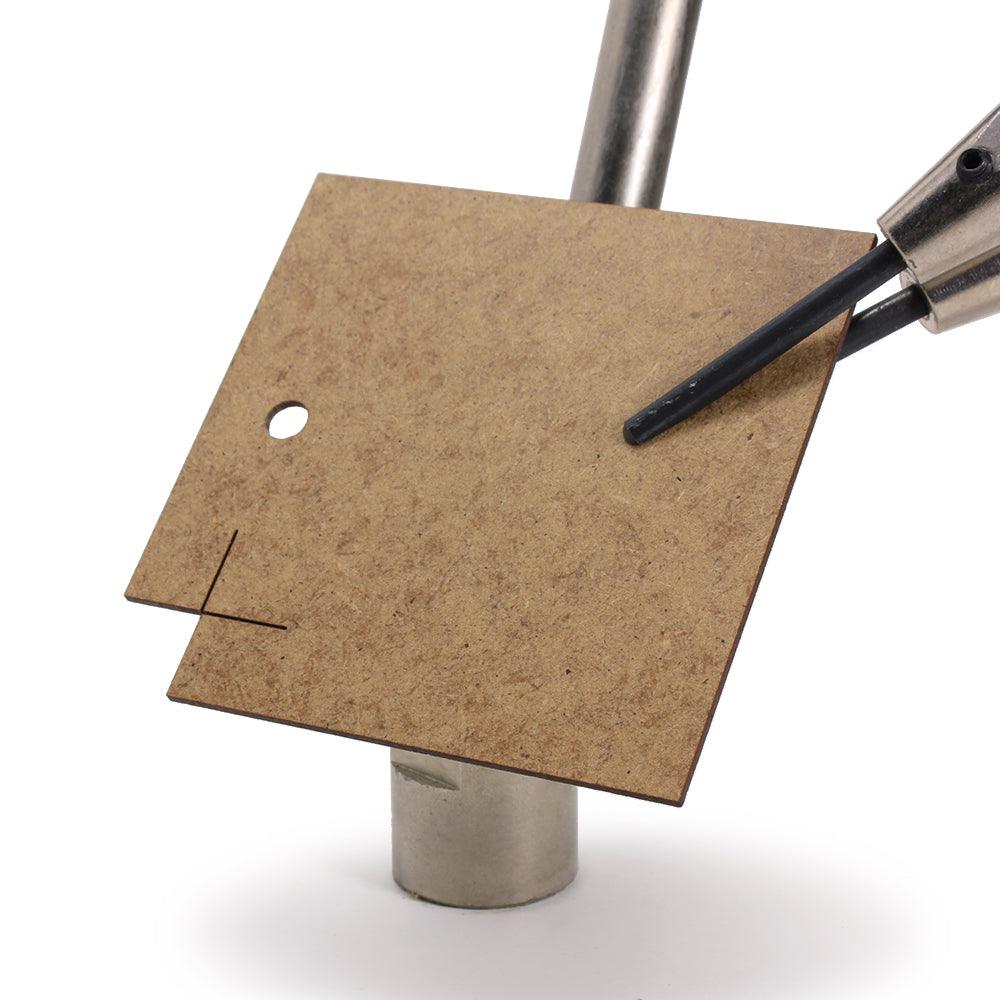
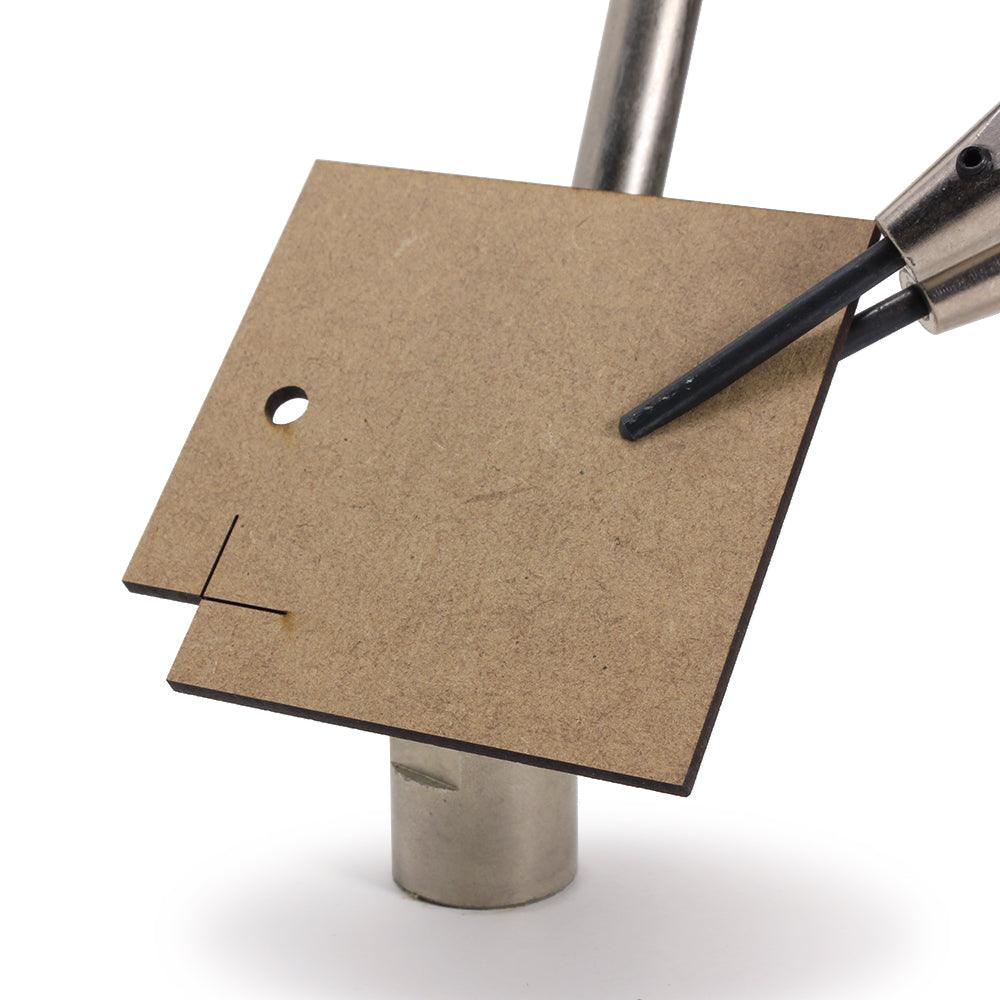
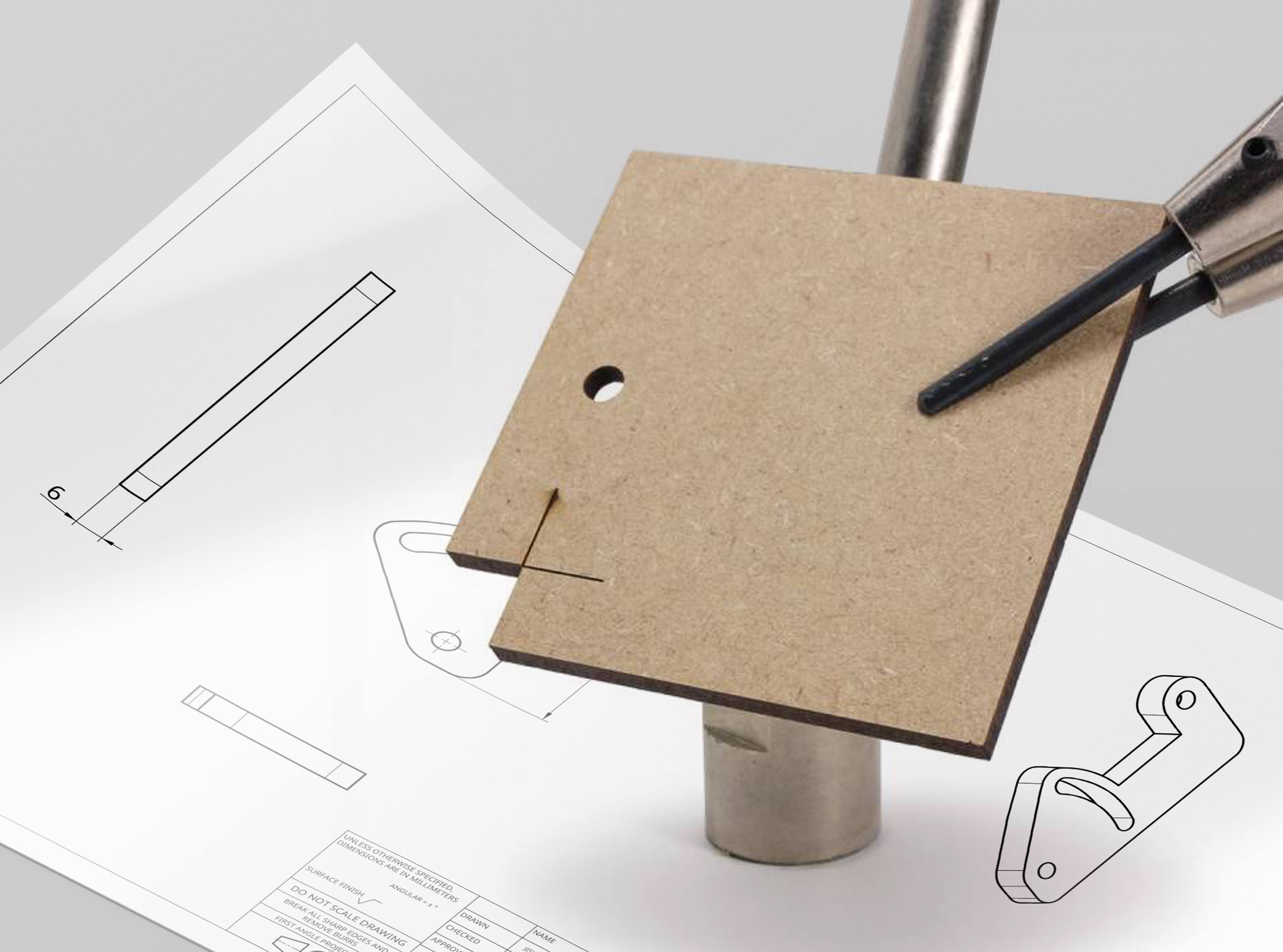
MDF is a pressed wood fibreboard: homogeneous, flat and rigid. Engineers and designers use laser cutting from MDF for prototypes, moulds, jigs, enclosures and models, where dimensional stability is more important than aesthetics.
When to choose MDF?
Choose MDF if you need a flat, predictable board that you can glue, sand or paint after cutting. The board has no grain and no layers, is equally strong in all directions and does not warp. If you're looking for a lighter board with a wood look or more strength per gram, check out birch plywood. For visible applications without finishing, black MDF is an option. MDF absorbs a lot of moisture and is not suitable for outdoor use or damp environments.
MDF laser cutting: what to expect
The cut edge turns dark brown, but does not char or leave residue. The top surface remains clean; on the underside, light smoke residue appears along the cut. You can prevent this by selecting protective film when ordering, or you can remove it by sanding. Engravings become dark and sharp, so MDF is also suitable for inscriptions and textured model surfaces. The design tips specify the limits for bridges, fits, and engravings.
Origin and composition
The 3 to 9 mm boards are MEDITE PREMIER MDF with FSC-mix 70% and comply with the E1 standard for formaldehyde. The 1 and 2 mm thicknesses are not FSC-certified.
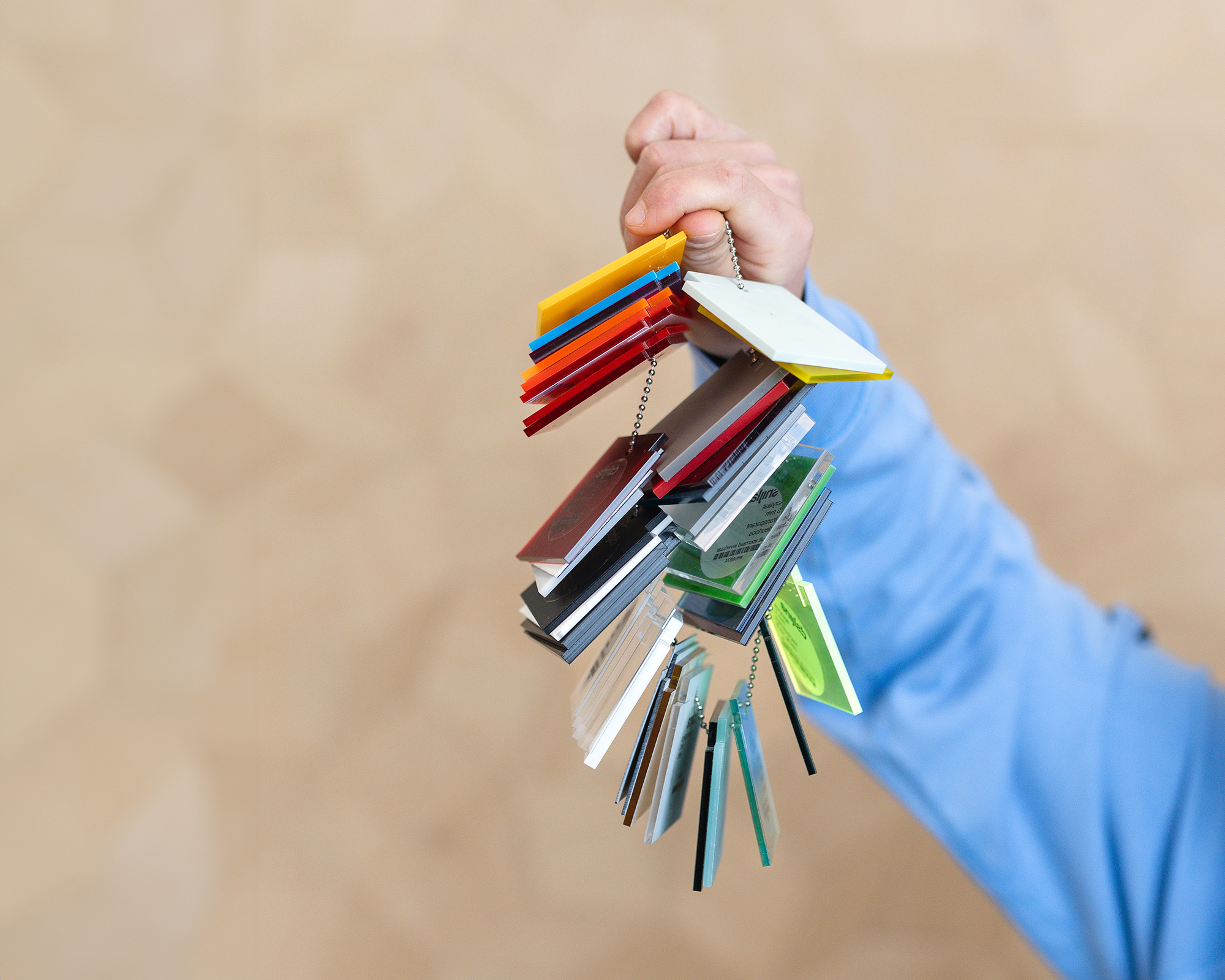
Compare foam samples?
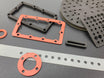
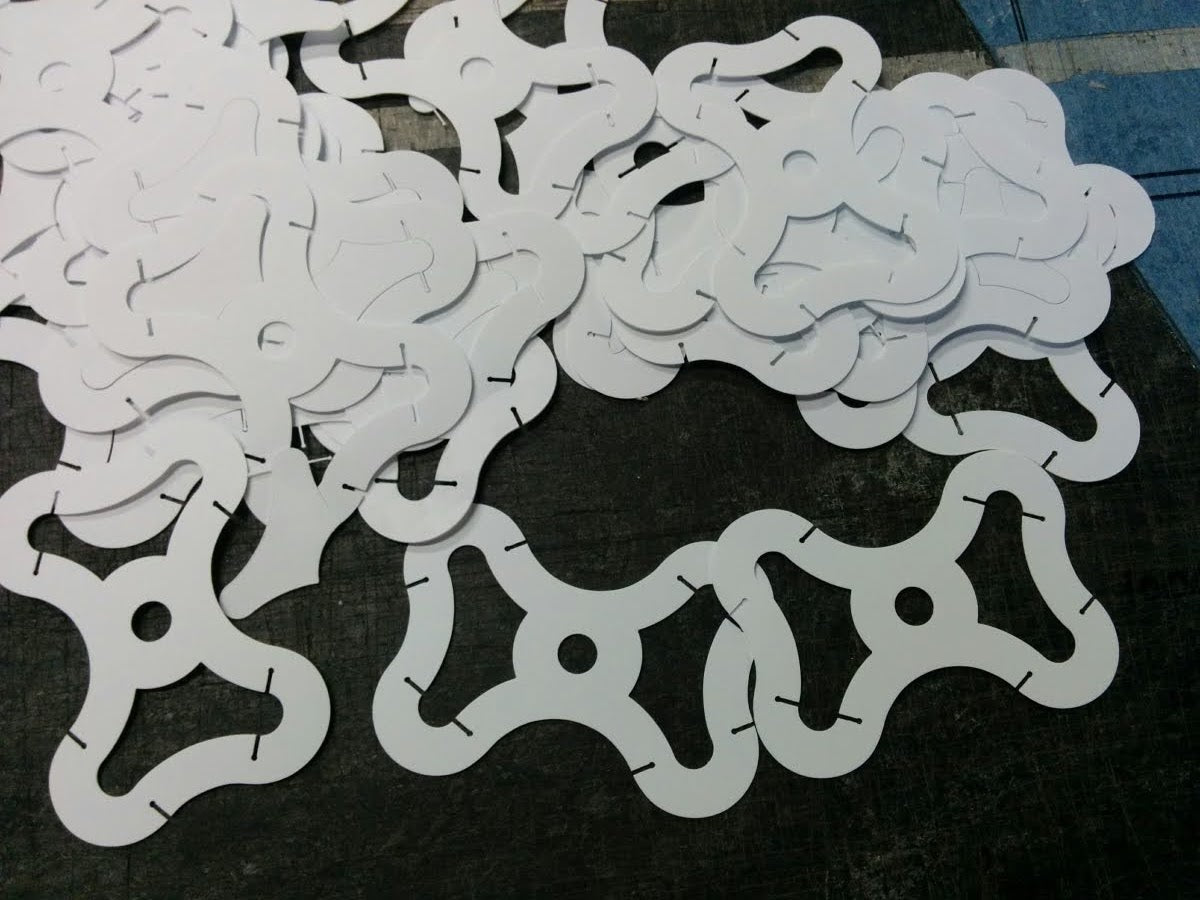
Order a sample chain and compare all types of stencil in your own hand. This way, you can make a well-informed decision about your design.
Samples provide a representative impression of the quality Snijlab delivers.
To the samples
24/7 Instant quotes for laser cutting
Start your project today
- Create your design using our drawing guidelines
- Upload it at account.snijlab.co.uk
- Receive your parts on the delivery date of your choice
Learn how it works. Want to talk it over first? Our support team is ready to help!
Create a free account